
The Post-Harvest Market Climate
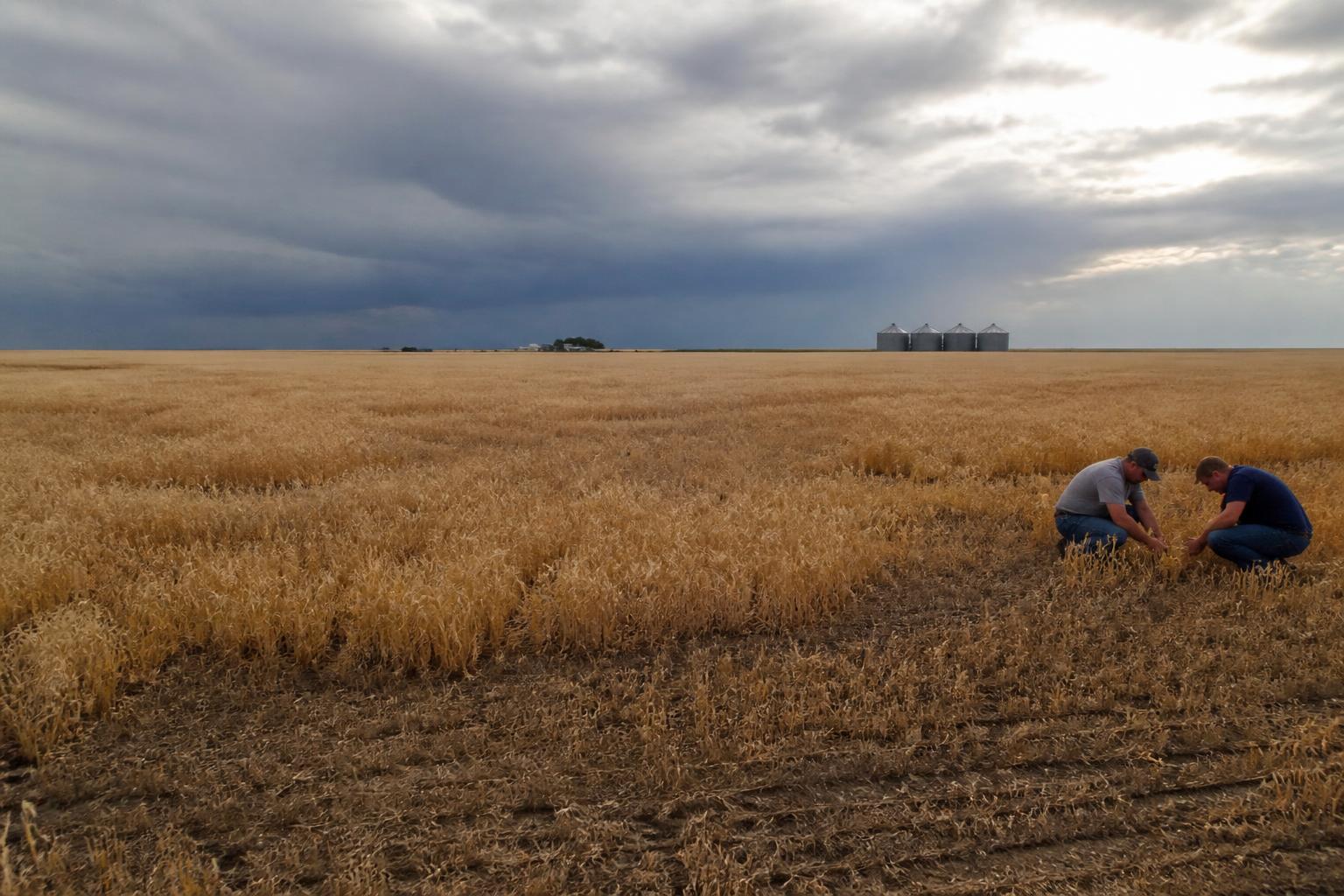
With the Oklahoma wheat harvest now largely in the rearview mirror, producers are shifting their attention to marketing strategies for the remaining crop. Reports indicate that while production figures faced pressure, the quality of this year's grain has remained a positive note for many operations. However, for those still holding inventory, the challenge remains to balance localized storage capacity with the broader pressures impacting grain prices as we head deeper into the fall season.
Navigating Economic and Policy Headwinds
Agribusinesses across the state are closely monitoring potential volatility stemming from the broader trade environment. With uncertainty surrounding international demand and tariff structures, soybean producers in particular are weighing their options for the upcoming marketing cycle. Maintaining stable trade relations remains a key factor for price improvement in the coming year, leading many to reassess their dependency on traditional export channels.
Operational Shifts and Long-Term Strategy
Beyond immediate market pricing, the shift in regional agricultural practices continues to evolve. More producers are exploring the adoption of no-till systems as they move away from traditional monoculture wheat rotations. This structural change in land management is being driven by the need for better soil moisture retention and long-term cost efficiencies. Additionally, as agricultural laws continue to adapt to the 2025 landscape, staying informed on regulatory shifts is becoming as critical as tracking daily cash bids at the local elevator.
What it means for the market
For Oklahoma farmers and grain handlers, the focus for the remainder of the season is on risk management and prudent inventory liquidation. With seasonal price fluctuations typical during the transition into late fall, having a clear marketing plan that considers both storage costs and potential trade disruptions is essential. Growers should stay in close contact with local cooperatives to track regional basis levels as they prepare for next season's land preparations.
Comments
No comments yet - be the first to share your take.