
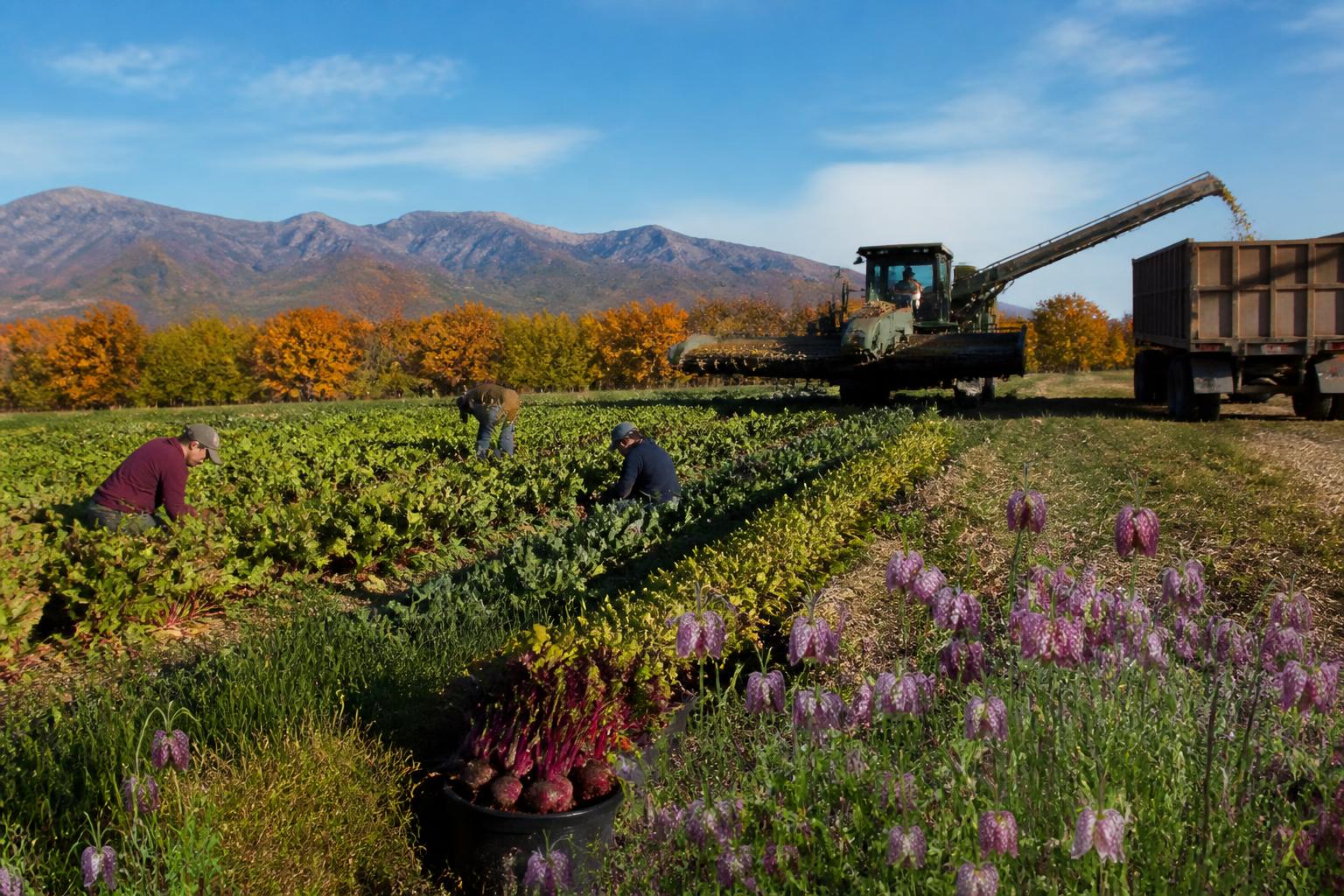
As the fall harvest season settles in across Alaska, producers in regions like the Mat-Su Valley are focusing on the critical task of maximizing yields while preparing their land for the winter transition. Maintaining high agricultural productivity is not just a seasonal goal; it is fundamental to the long-term viability of the state's growing agricultural footprint. Whether managing historic tracts or newer permafrost-adjacent plots, safeguarding soil integrity remains a top priority for local growers.
Optimizing Farm Assets and Equipment
Efficiency during the short Alaskan growing season often dictates the financial success of the operation. As farmers evaluate their current infrastructure, many are looking toward precision management and better-maintained equipment to reduce input costs. For those navigating the complexities of modern ag-logistics, strengthening supply chain resilience has become a prerequisite for operational stability. Proactive maintenance and the adoption of regional best practices help producers weather the challenges of a climate that demands both innovation and adaptability.
Strategies for Long-Term Land Stewardship
Protecting the agricultural legacy of the state often involves navigating complex land use and conservation decisions. Efforts such as the protection of historical sites, including those in Palmer, highlight a growing commitment to preserving the land that sustains local food systems. Growers who balance traditional techniques with contemporary conservation strategies are better positioned to protect their operations from external pressures. Understanding these nuances is essential for any producer aiming to support the agricultural frontier through sound land stewardship.
What it means for the market
For Alaska’s agribusinesses and input suppliers, the focus remains on reliability and regional support. As interest rates influence farm management decisions nationwide, Alaskan producers are increasingly scrutinizing their operational expenditures. Investing in high-yield, site-specific solutions allows farmers to maintain margins while navigating the unique environmental conditions of the Last Frontier. Continued attention to soil health and equipment efficiency will likely remain the primary drivers of localized market growth throughout the remainder of the season.
Comments
No comments yet - be the first to share your take.