
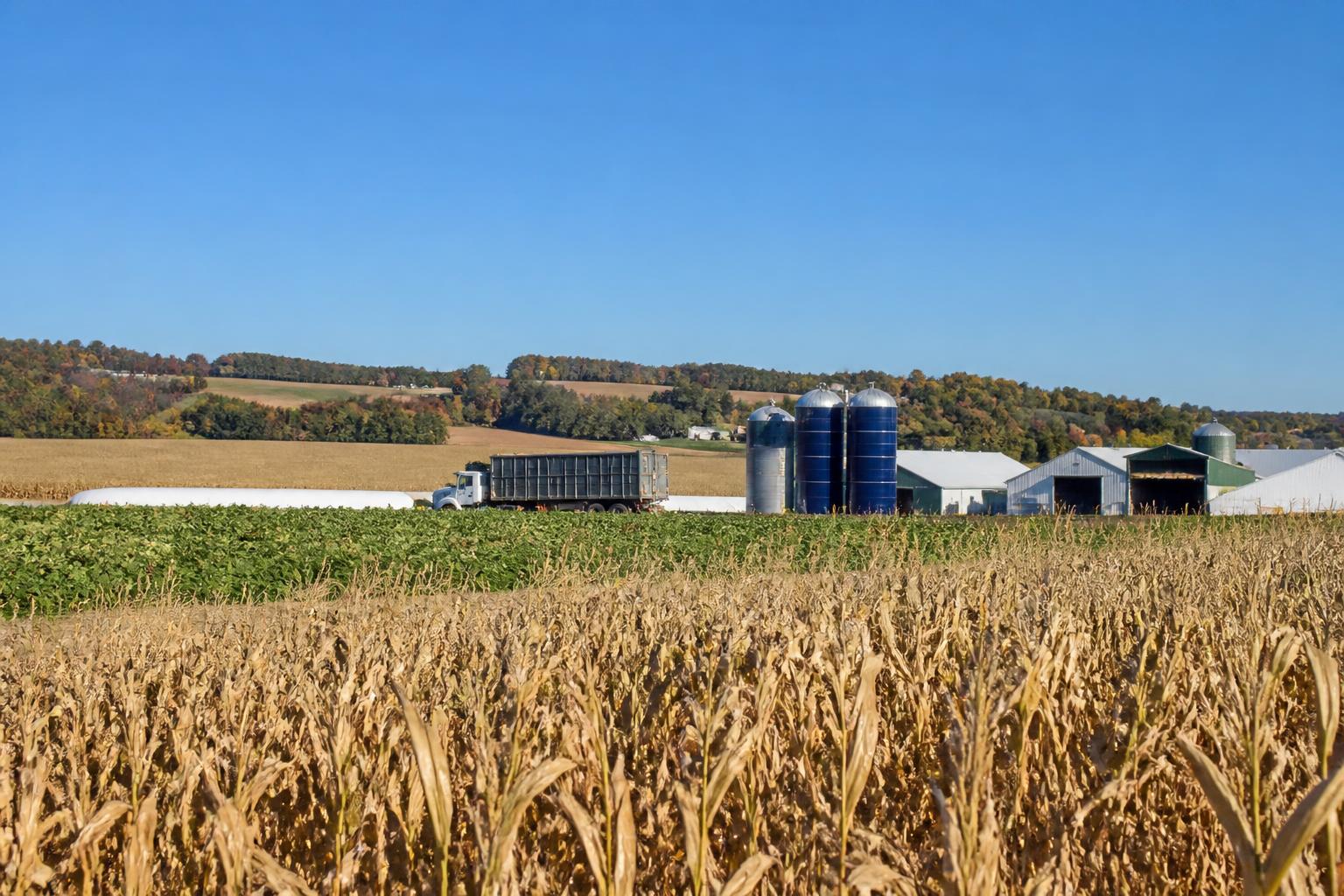
With the autumn harvest season now underway across South Dakota, producers are shifting their attention toward optimizing field-to-elevator logistics. For many operations, the primary focus remains on maintaining equipment readiness and ensuring that high-capacity handling systems can keep pace with field throughput. As harvest cycles accelerate, the ability to manage localized surges in grain movement often becomes a critical factor in maintaining operational margins.
Effective logistics management during the South Dakota harvest involves a careful balance between field speed and transport availability. Growers often find that pre-emptive checks on equipment and site access can prevent bottlenecks when the tempo of the harvest peaks. In some parts of the state, ensuring that secondary roads remain navigable for heavy hauling equipment is a regular part of the seasonal strategy for grain managers.
Refining On-Farm Storage and Handling
Maximizing the efficiency of existing infrastructure is a common goal for South Dakota agribusinesses during the fall. Whether investing in specialized trailers or upgrading grain handling systems, many operators are looking for ways to streamline the movement of commodities from the combine to the storage facility. Reliable logistics coordination is essential for transport success, particularly when localized conditions require adjustments to haul routes or delivery schedules.
Sustainability and Long-Term Operational Growth
Beyond the immediate demands of the season, South Dakota agriculture continues to explore avenues for long-term resilience. This includes ongoing interest in sustainable input solutions and community-focused agricultural initiatives. As producers navigate the complexities of modern farming, the management of seasonal surpluses and infrastructure growth remains a central theme for regional stability and individual farm success.
What it means for the market
For grain handlers and producers, the current market environment underscores the importance of proactive planning. By focusing on equipment reliability and streamlining logistics early in the harvest window, farmers can better mitigate the risks associated with volatility in transport availability and storage demand as the season progresses.
Comments
No comments yet - be the first to share your take.