
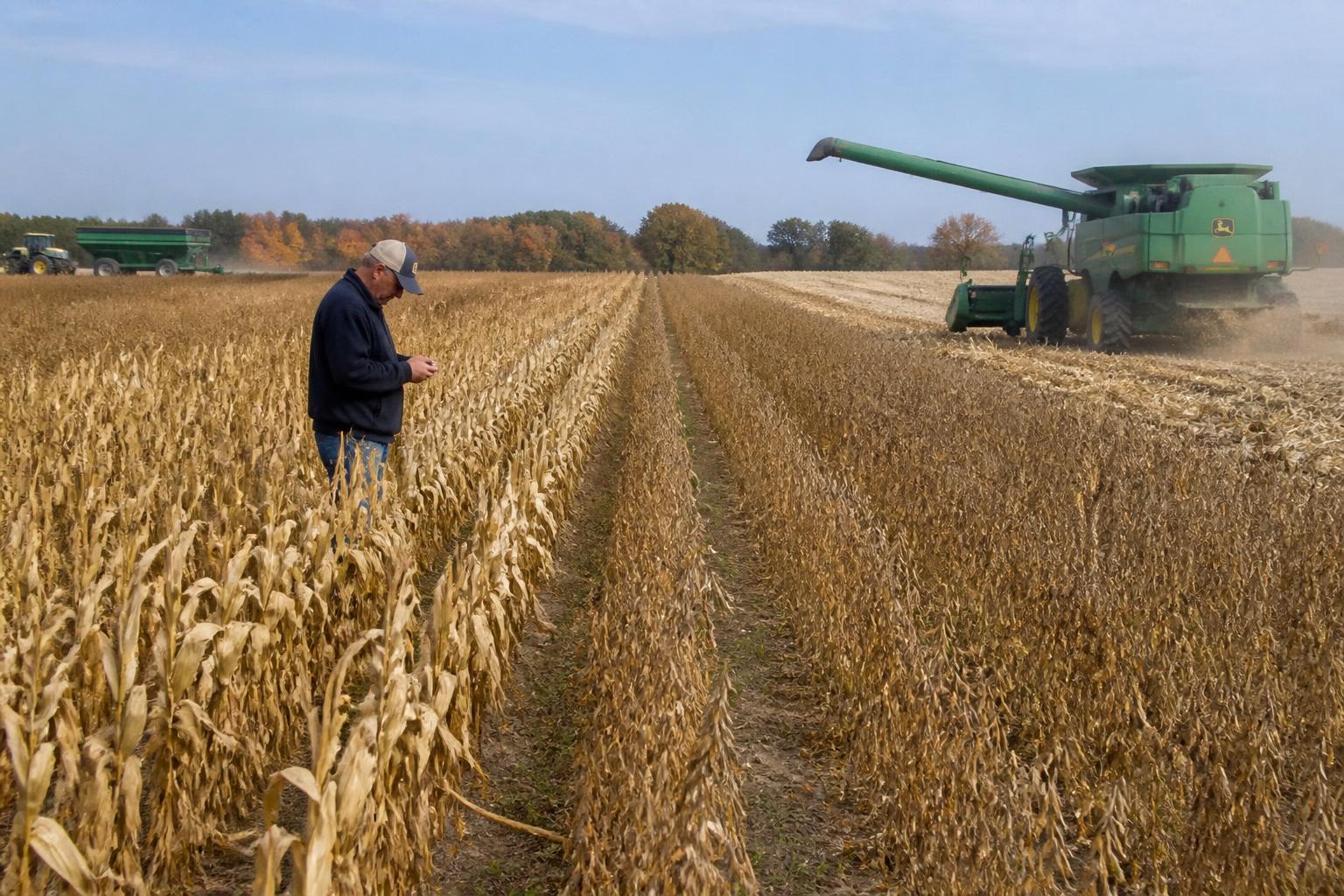
As harvest preparations intensify across Nebraska, producers are facing a complex operating environment. With the fall season in full swing, the focus has shifted toward maximizing yield potential while navigating the logistical hurdles that often characterize this time of year in the Cornhusker State. From managing storage capacity in local elevators to evaluating emerging farm technology, efficiency remains the primary objective for operators looking to safeguard their bottom lines.
Managing Supply Chain and Financial Volatility
Recent developments in the broader agricultural landscape have highlighted the importance of risk management. Market participants are keeping a close eye on the stability of grain logistics networks, particularly as regional infrastructure undergoes seasonal stress tests. Financial volatility, triggered by events such as grain-dealer bankruptcies or shifting demand for livestock processing, can reverberate through the local farm economy, emphasizing the need for producers to maintain diversified sales strategies and secure counterparty vetting.
Innovation as a Buffer
In response to tighter margins, many Nebraska growers are turning to technical advancements to optimize inputs and field management. Whether through the adoption of new crop protection strategies or exploring more robust planting systems that withstand variable weather patterns, innovation is increasingly viewed as a necessity rather than a luxury. These tools not only aid in day-to-day productivity but also provide a buffer against the rising costs of traditional inputs that continue to impact farmers across the Midwest.
Logistics and Regional Infrastructure
As the window for streamlining grain movement closes with the onset of the harvest, producers along major transport corridors should prepare for typical bottlenecks. Proactive communication with local grain handlers and trucking partners can help mitigate the risks associated with capacity constraints, ensuring that harvested product reaches its destination without excessive detention fees or downtime.
What it means for the market
For Nebraska producers, the current market climate demands a higher level of scrutiny regarding both external partnerships and internal farm-gate operations. While agricultural innovation continues to offer paths toward improved efficiency, the immediate priority remains securing reliable logistics and managing credit exposure. Staying informed on regional developments and maintaining tight control over operational logistics will be critical as the fall harvest progresses.
Comments
No comments yet - be the first to share your take.