
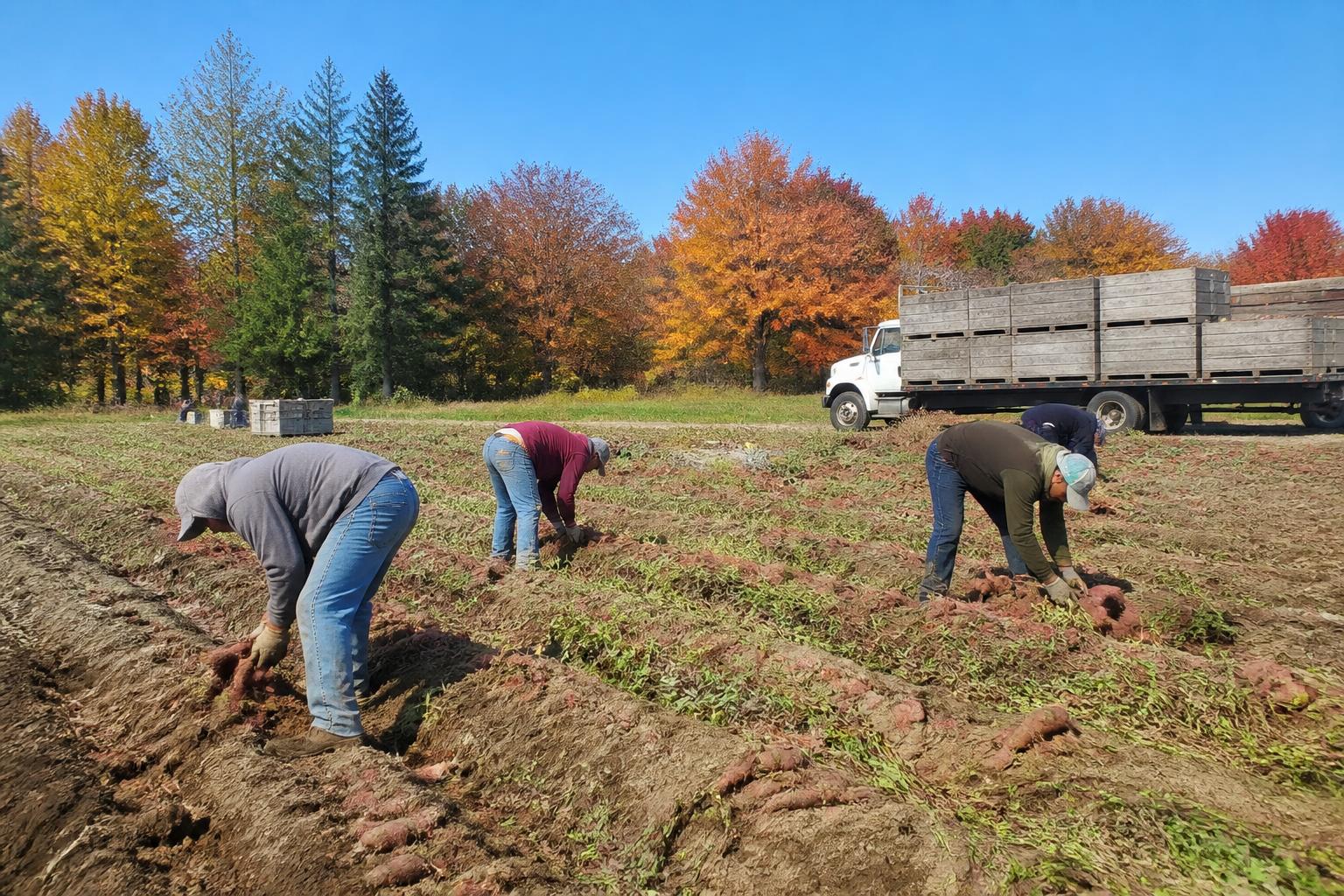
As the fall season progresses in Hawaii, the agricultural community remains hyper-focused on stabilizing production and safeguarding local crops from evolving threats. Following recent weather-related challenges that impacted supply, the priority for many producers has shifted toward both physical field resilience and long-term crop protection. Whether managing specialized crops like sweet potatoes or ensuring the integrity of regional staples, the need for proactive biosecurity and efficient resource management has never been more evident.
The Biosecurity Imperative
Invasive species continue to pose a significant risk to the diversity of island agriculture. Recent state-level initiatives have targeted the movement of goods into regions like Maui and Lānaʻi, with new rules designed to prevent the introduction of harmful beetles. These measures are critical, as protecting the bottom line often begins with keeping pests out of the orchard or field. For producers, staying current on these movement restrictions is a standard yet essential component of daily farm management.
Optimizing Inputs for Long-Term Soil Health
Beyond external threats, the focus on sustainable soil health and nutrient management remains a cornerstone of successful farming. High input costs can squeeze margins, making it necessary to rely on research-backed strategies that optimize fertilizer efficiency. By integrating modern soil health strategies, farmers can better navigate the fluctuations in supply chain availability and ensure that the land remains productive for future cycles.
What it means for the market
The market environment for Hawaii agriculture is increasingly defined by the marriage of high-tech tracking and traditional stewardship. With new RFID systems aiding in the traceability of local produce and research efforts identifying hardier crop varieties, the sector is building a foundation that emphasizes quality and protection. For growers and agribusinesses, the key to navigating the coming months will be a continued commitment to defensive, data-driven farming practices that mitigate risk from both Mother Nature and unwanted pests.
Comments
No comments yet - be the first to share your take.