
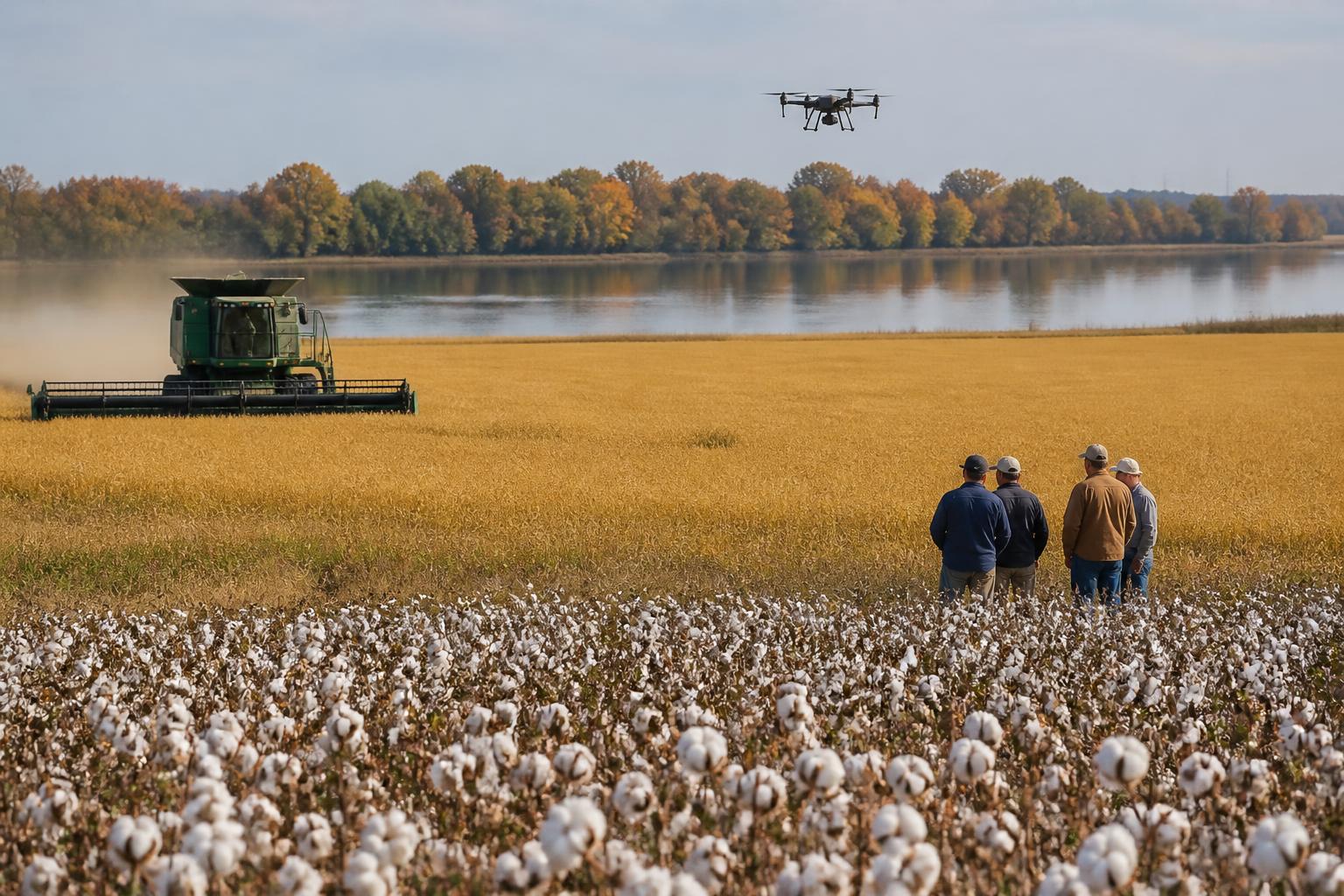
With the fall harvest season now underway across Mississippi, agricultural stakeholders are recalibrating their logistics and management strategies. As fields become busy with activity, the combination of regional transit variables and the need for rigorous crop protection remains a top priority for growers and handlers alike. Ensuring that commodities move efficiently from the field to the elevator requires proactive planning, particularly when navigating the logistical challenges facing the Mississippi Delta.
Managing On-Farm Crop Protection
As the season progresses, farmers are looking at various methods to maintain crop health and yield quality. Recent focus has centered on effective weed management strategies, such as utilizing winter cover crops to help suppress persistent threats like pigweed. For many, these practices are becoming an essential component of integrated protection plans. Furthermore, for livestock producers and row crop farmers, staying ahead of seasonal pressures is vital, especially as industry leaders like the Mississippi Farm Bureau continue to emphasize the importance of robust logistics and protective measures.
Logistics and Market Connectivity
The reliability of transport corridors remains a significant factor in seasonal profitability. Whether moving grain through the river system or via road, producers are often advised to monitor regional reports for any potential bottlenecks that could affect basis levels. The current status of Mississippi River water levels serves as a key indicator for many, influencing how quickly and at what cost commodities can reach their intended destinations. Keeping a close watch on these conditions can provide a competitive edge in coordinating timely shipments.
Key Takeaways
- Prioritize early-season equipment checks to minimize downtime during the peak fall harvest window.
- Monitor local and state-level logistics reports to adjust for any potential navigation or transit slowdowns.
- Utilize updated agronomic insights to refine protection strategies, particularly for late-season weed management.
What it means for the market: For those in the Mississippi agricultural sector, the convergence of harvest timing and logistics dictates the pace of the fall market. By remaining agile with transport planning and sticking to disciplined crop protection regimes, producers can better mitigate risks associated with fluctuating regional conditions and protect their bottom line as harvest intensity increases.
Comments
No comments yet - be the first to share your take.