
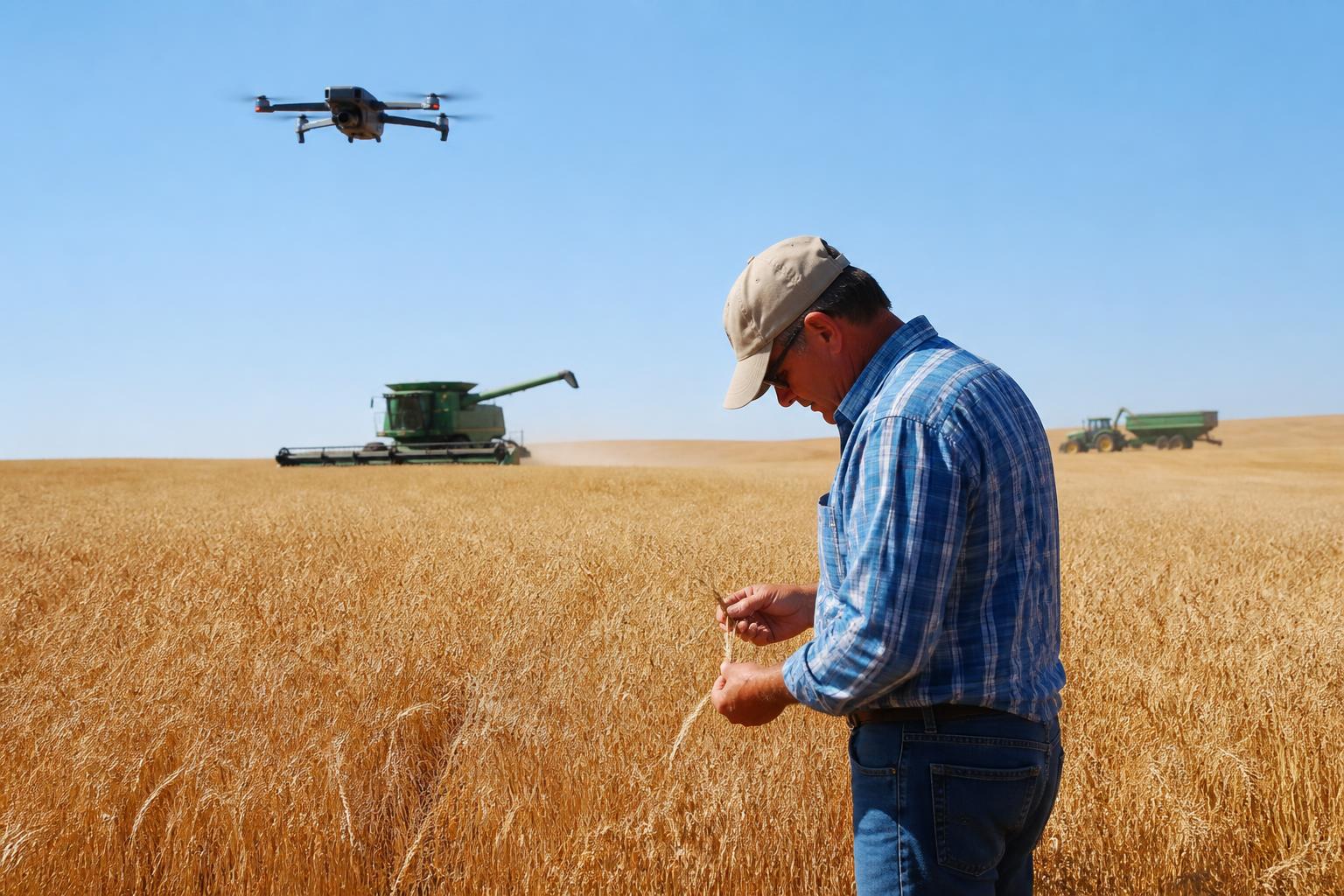
As Idaho’s fields turn toward the fall harvest, producers across the state are focusing on optimizing efficiency while managing a complex set of environmental and logistical variables. For many operations, the current season represents a critical window to stabilize yields and address localized pressures that can impact long-term profitability.
Maintaining soil health and crop resilience remains a priority as growers prepare their land for the winter months. Recent research and technological advancements in the state, including ongoing efforts in cereal crop breeding and data-driven surveying, are providing tools that may help mitigate some of the traditional uncertainties associated with Idaho’s diverse geography.
Managing Pests and Field Protection
Pest management continues to be a central concern, as unpredictable outbreaks can quickly shift from minor inconveniences to significant threats for specialty-crop farmers. Integrated pest control strategies and the adoption of modern surveying technologies, such as drone-based monitoring, are becoming essential for maintaining high-quality outputs. Producers are increasingly relying on these tools to pinpoint issues in real time, allowing for more precise interventions.
Infrastructure and Resource Management
Logistical fluidity remains vital for Idaho’s agricultural economy. From the movement of commodities through established corridors to the careful management of water resources, the state’s agricultural infrastructure is currently under close observation by stakeholders. Streamlining the flow of harvest traffic is key to ensuring that grain and produce reach their intended markets without unnecessary bottlenecks.
Beyond physical logistics, energy and input accessibility are changing. The integration of renewable energy projects, such as anaerobic digestion facilities at dairy sites, is slowly altering the regional energy landscape. These developments reflect a broader trend where agricultural operations in Idaho are looking to diversify their energy sources and leverage local resources more effectively.
What it means for the market
For farmers, handlers, and service providers, this period demands a focus on adaptability. Staying ahead of resource constraints, particularly regarding water and input stability, will be the differentiator in a tightening market. By leveraging new research and prioritizing localized infrastructure resilience, Idaho operations are better positioned to weather the current harvest season while preparing for future operational challenges.
Comments
No comments yet - be the first to share your take.