
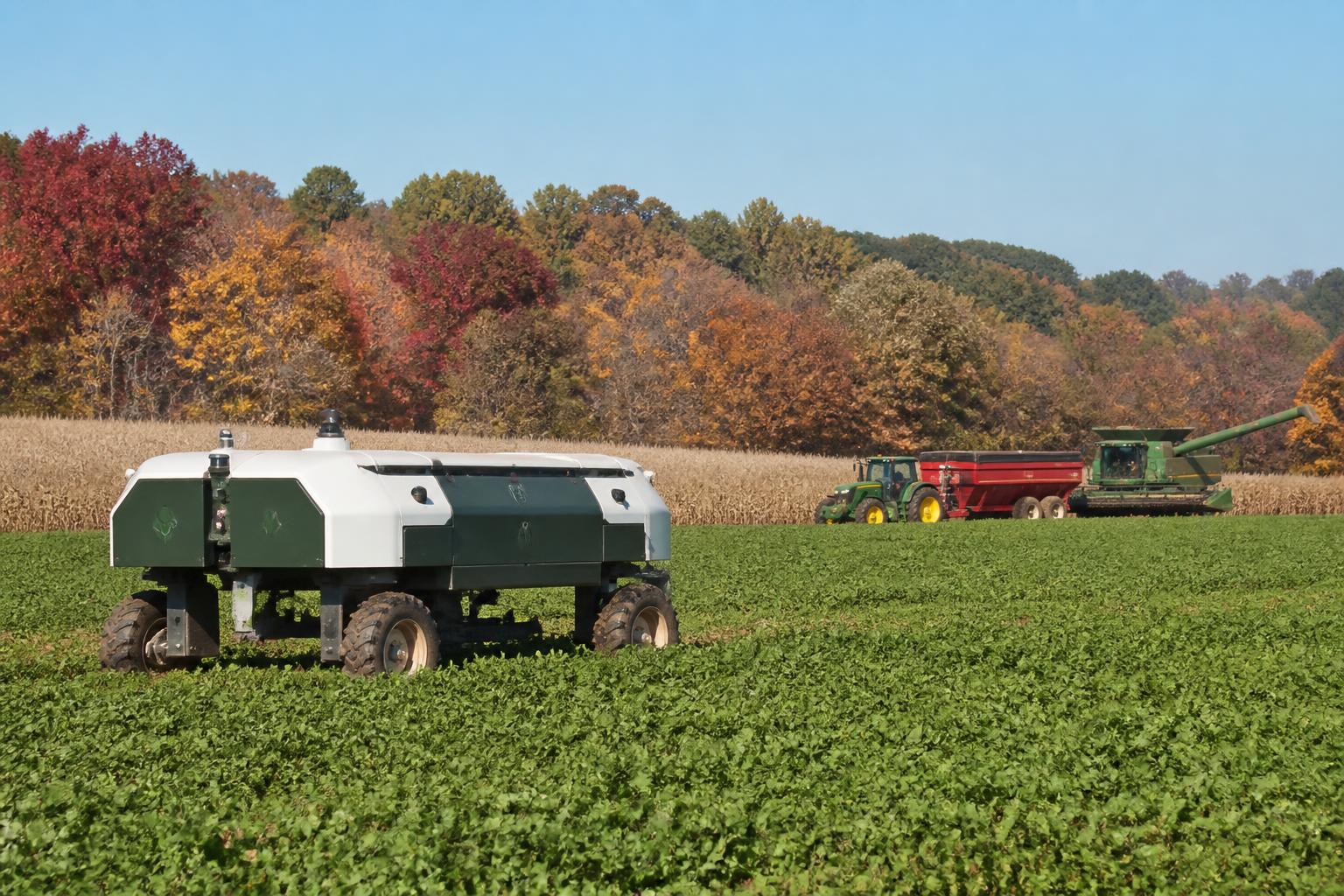
As Virginia enters the critical fall harvest period, producers across the Commonwealth are balancing the immediate demands of field operations with long-term shifts in market infrastructure. From the Tidewater region to the rolling hills of the Piedmont, growers are navigating a complex season defined by weather-related pressure and significant updates to state-level logistics and regulatory frameworks.
Market participants should pay close attention to recent developments in supply chain assets. Efforts to modernize regional transit are underway, with stakeholders keeping a close watch on how the new infrastructure projects designed to optimize local supply chain flows may mitigate the traditional bottlenecks often seen during high-volume harvest months. Furthermore, recent investments in specialized export facilities are signaling a strategic pivot toward improving how state-grown commodities reach competitive global markets.
Adapting to Environmental and Policy Shifts
Climate variables remain a primary focus for Virginia's row crop and livestock sectors. Recent reports highlighting changing weather patterns have prompted renewed discussions among state officials regarding water conservation and resource management, particularly in drought-prone areas like the Roanoke region. These environmental pressures, combined with tightening margins, have made proactive risk management and yield protection more vital than ever.
Land use also continues to evolve as rural counties work through comprehensive planning updates. Changes in agricultural zoning, particularly in growth-heavy regions, can directly impact operational longevity for grain handlers and producers alike. Engaging with local planning commissions is becoming an essential part of the modern farmer's business toolkit to ensure that vital logistics hubs and storage facilities remain protected as regional development continues.
What it means for the market
For grain elevators, logistics providers, and input buyers, the current market environment requires a heightened level of operational flexibility. With new intermodal export capacities coming online and continued sensitivity to climate-induced yield fluctuations, businesses should prepare for potential shifts in traditional transport routes and storage demand this fall. Monitoring both regional water availability and upcoming infrastructure milestones will be key to managing transportation costs and maintaining a competitive edge through the end of the year.
Comments
No comments yet - be the first to share your take.