
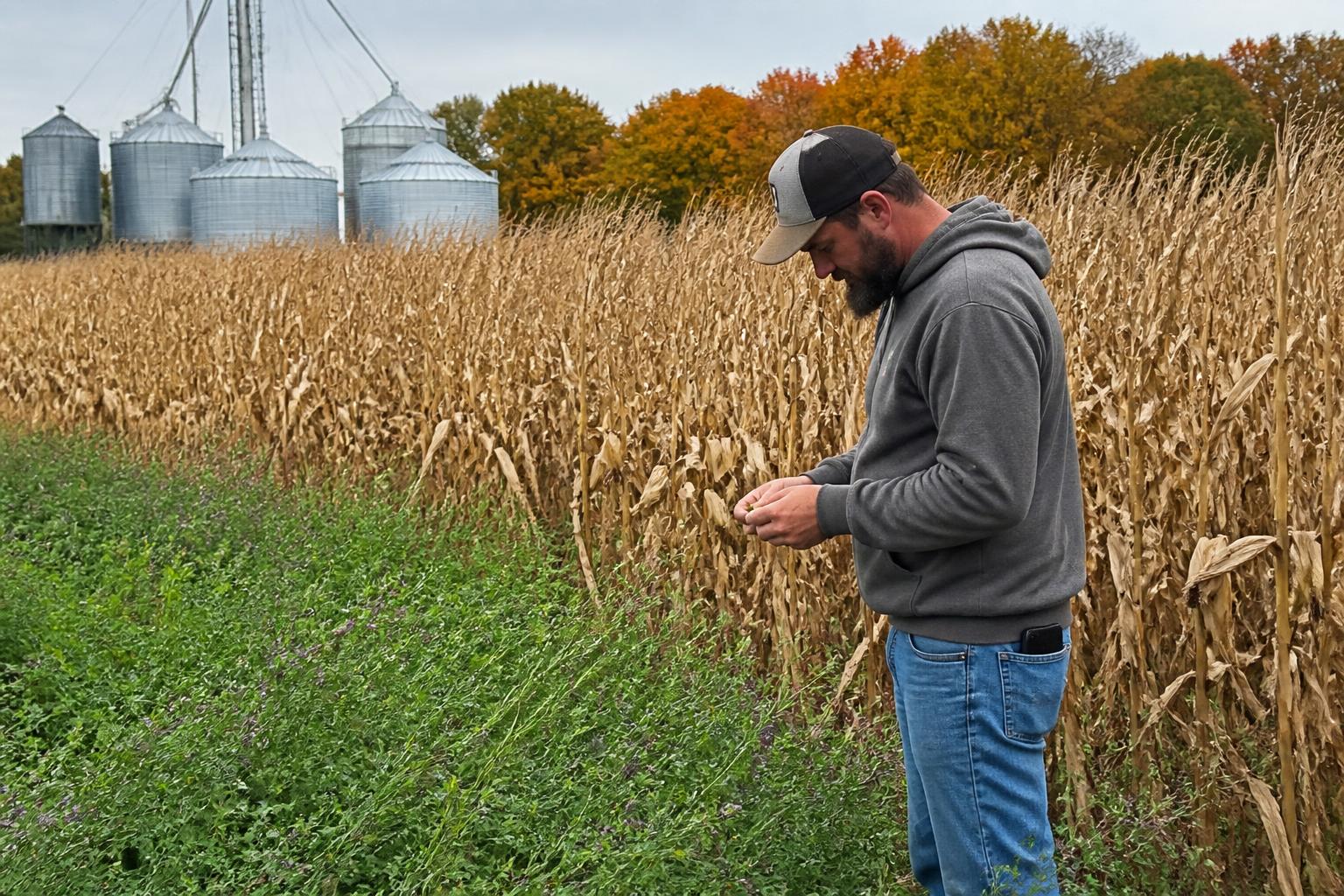
As harvest activity accelerates across Nebraska, grain producers are increasingly confronting logistical bottlenecks rooted in tight storage capacity. Moving into this peak season, the combination of regional yield variances and persistent inventory challenges has pushed many elevators and farm managers to reassess their handling strategies to avoid potential backups at the scale.
For those managing the flow of this year's crop, navigating the current logistics of grain storage and transportation remains a critical focus. While high-volume years often demand creative storage solutions, this year’s regional conditions may further complicate space availability for both corn and soybean harvests as they converge.
Evaluating On-Farm Storage and Throughput
Producers are balancing the need for quick harvest speeds with the physical limitations of their current bin setups. In some areas, the shift toward maximizing on-farm storage is acting as a hedge against potential elevator delays. Growers who have invested in expanded drying and storage systems are finding more autonomy, though the upfront cost of these efficiencies remains a point of deliberation for many operations.
Input and Market Considerations
Beyond the immediate physical harvest, market participants are keeping a close eye on input availability. Recent legislative discussions regarding fertilizer infrastructure in Western Nebraska highlight broader concerns about supply chain resilience. Maintaining a steady flow of necessary inputs, alongside managing post-harvest storage, will be essential for keeping operational margins stable as the season progresses.
What it means for the market: With storage capacity likely to remain a localized point of friction, proactive communication between producers and grain buyers is paramount. Those with established, flexible logistics plans and confirmed delivery windows may be better positioned to navigate the peak harvest weeks without incurring unnecessary basis risk.
Comments
No comments yet - be the first to share your take.