
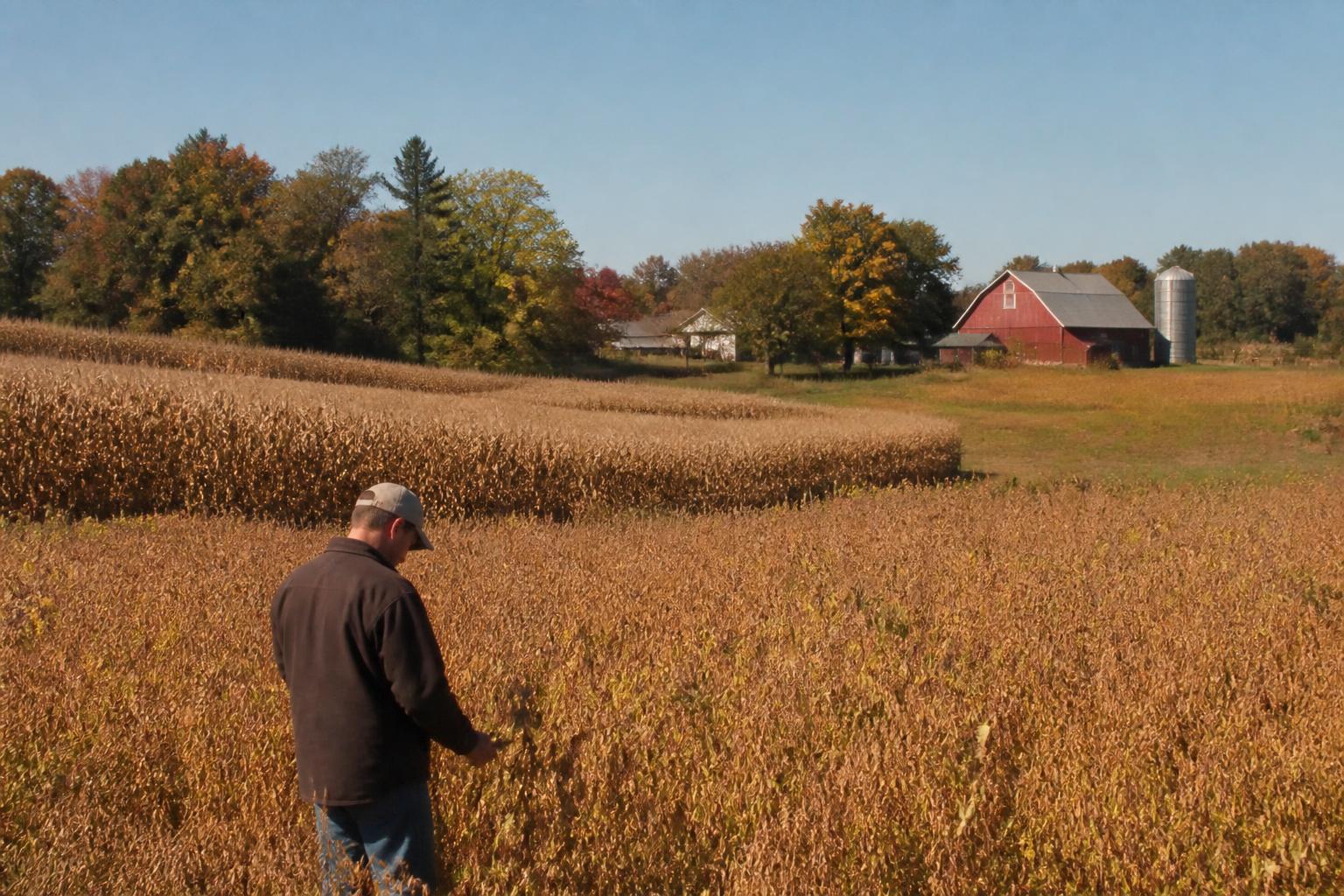
As Indiana producers head into the fall harvest season, fields across the state are seeing a mix of conditions that require close monitoring. While the weather has held relatively steady, growers are reporting increased disease pressure in certain areas, necessitating vigilant scouting to protect yield potential as the season progresses. Proper grain management and logistics are becoming increasingly important as farmers balance these biological challenges with the physical demands of moving crops to storage or terminal markets.
Pest Management and Operational Vigilance
In addition to standard seasonal concerns, the emergence of the brown marmorated stink bug in local fields and even residential areas has caught the attention of regional agronomists. Managing these pests before they cause further damage is a top priority for many. Beyond pest control, operational challenges like local ditch and water management continue to be a point of discussion, affecting field access and drainage efficiency as the harvest windows open.
Global Market Dynamics and Local Infrastructure
Market analysts are also keeping a close eye on shifting trade indicators. For example, potential increases in demand from markets like Indonesia may offer a strategic outlet for Indiana soybeans, providing a necessary boost to local grain pricing. Supporting this production, the state continues to see investment in processing capacity, such as recent expansions at regional ethanol facilities, which can help stabilize local basis levels for corn growers looking for consistent delivery points.
What it means for the market
With harvest activity picking up speed, farmers should prioritize both crop quality control and logistics planning. Staying connected with local elevators and transport partners is essential to navigate potential congestion during peak delivery times. Understanding how these mid-season weather patterns and infrastructure developments influence your bottom line can help manage the volatility inherent in today's commodity environment. Keep a close watch on regional input demands, as preparations for the next cycle often begin before the current combine is parked.
Comments
No comments yet - be the first to share your take.