
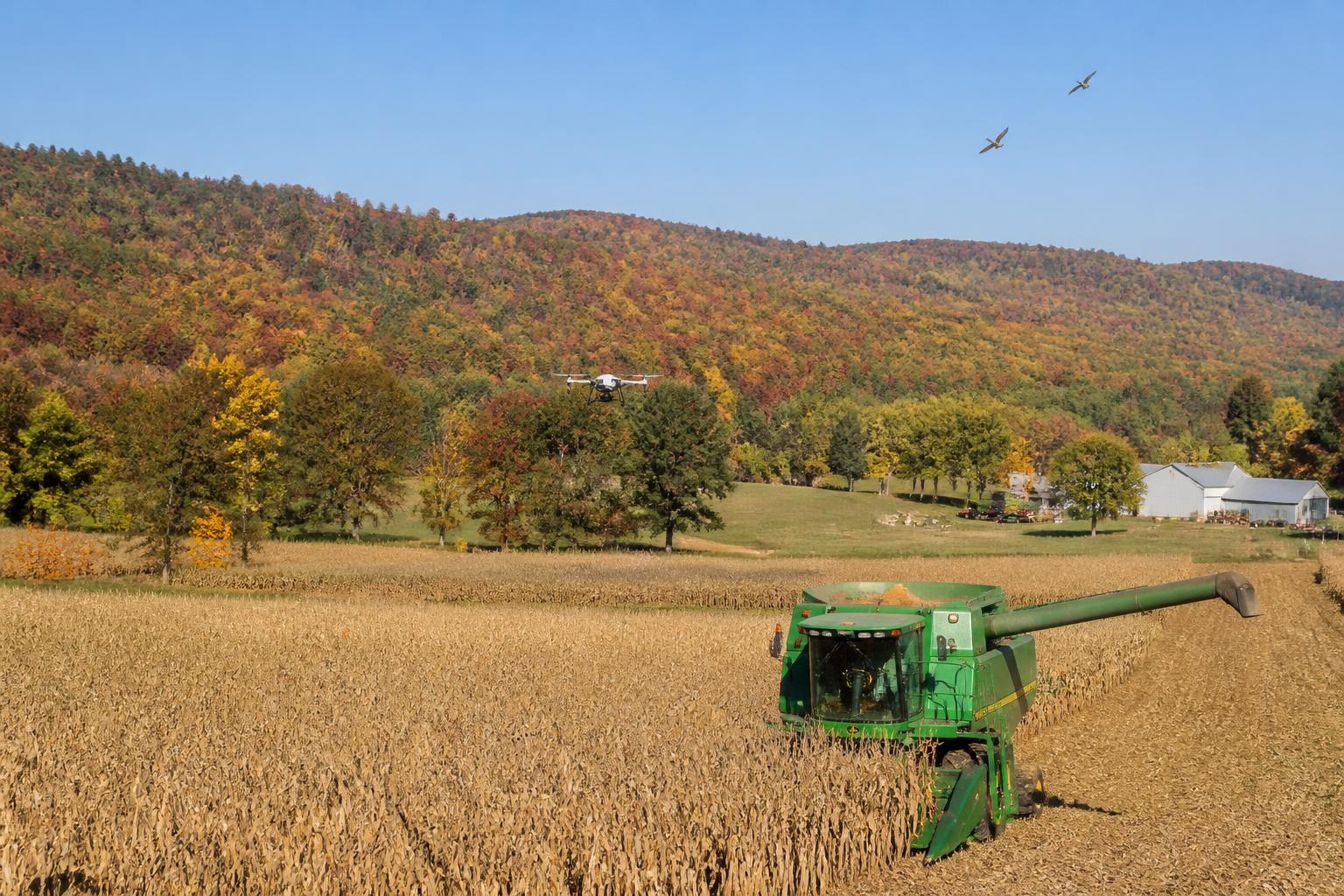
As the fall harvest season gathers momentum across Washington, farmers are navigating a challenging landscape where international trade tensions and supply chain logistics are taking center stage. With the harvest cycle in full swing, producers in key agricultural regions are keeping a close watch on shifting trade policies that may impact the bottom line for export-heavy commodities like wheat and specialty crops.
Managing Logistics and Trade Pressures
For many growers, the focus remains on ensuring that product moves efficiently from the field to storage or export facilities. Coordination across the supply chain is critical, especially when addressing logistics hurdles that can influence export throughput. Market participants are remaining vigilant regarding external trade factors, including potential tariff escalations that could affect the cost and viability of international shipments.
Producers are also emphasizing the need for reliable market access, with many industry stakeholders continuing to advocate for policies that prioritize trade over aid. These navigational efforts during harvest reflect the broader effort to maintain profitability amid volatile global demand and fluctuating transportation costs throughout the state.
Innovation in the Field
Beyond logistics, Washington farmers are increasingly turning to technological and operational innovations to secure their yields. From the integration of precision equipment to creative pest management solutions—such as using natural predators to protect wine grape crops—the industry is evolving to meet both environmental and economic demands. These practices are helping producers stay resilient as they manage the inherent risks of modern agricultural production.
What it means for the market: For Washington agribusinesses and logistics providers, the current climate requires heightened attention to downstream supply chain health. While harvest operations proceed, stakeholders should anticipate that trade volatility and transportation bottlenecks will remain top-of-mind, making clear communication between elevator operators, carriers, and growers more vital than ever.
Comments
No comments yet - be the first to share your take.