
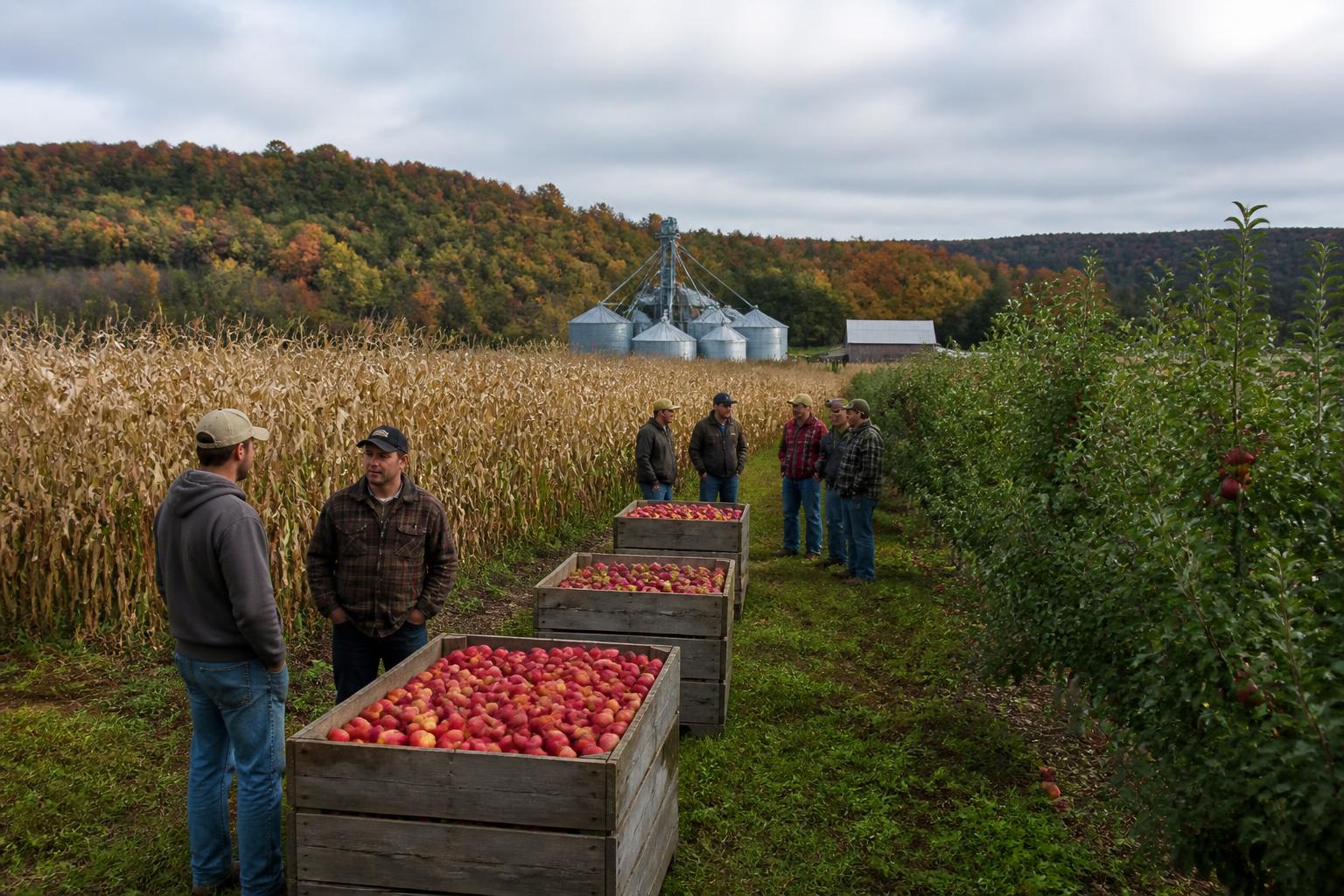
As the state moves deeper into the fall harvest season, Vermont producers are evaluating the long-term impact of consecutive years of unpredictable weather cycles. For many, the focus has shifted from standard crop management to intensive resource protection and adaptive strategies. From the river valleys to the rolling hillsides, the agricultural landscape remains in a state of adjustment as farmers and agribusinesses look to stabilize operations against recurring environmental stressors.
Amid these broader shifts, the industry is seeing meaningful progress in localized infrastructure. The recent acquisition of Nordic Farms by Peterson Quality Malt marks a significant milestone in regional grain development, signaling potential for expanded capacity within Vermont’s supply chain. This development, coupled with ongoing efforts to refine standards for what qualifies as local, creates a clearer framework for growers looking to capture value in specialized market segments. Those seeking to understand these broader structural changes can review our recent analysis on Vermont agriculture's current transition to see how producers are leveraging new technology to maintain viability.
Land Stewardship and Resource Protection
Resource management has become a pillar of modern Vermont farming. Whether it involves protecting sensitive bird habitats along the Winooski River or addressing water quality concerns near grazing pastures, producers are increasingly tasked with balancing high-output production with environmental mandates. This push for sustainability is not merely regulatory; it is a pragmatic approach to land longevity.
Furthermore, the development of a statewide weather monitoring network by the University of Vermont is set to provide producers with the granular, data-driven insights necessary for precise field management. Accurate weather tracking is becoming a critical tool for risk mitigation, especially when dealing with the high-stakes decisions required during harvest and fall planting windows. Growers interested in how to better manage their operation's health through these cycles may find our latest overview of the fall market outlook particularly relevant for planning their next steps.
What it means for the market
The market environment remains cautious as Vermont continues to await federal disaster determinations following recent climate-related damage. For farmers, this underscores the importance of diversifying operations and staying closely aligned with state-level updates on agricultural definitions and land use. As logistics and supply chains evolve to support smaller, niche crops alongside traditional staples, producers who prioritize resilient infrastructure and accurate risk assessment will be best positioned to weather the coming winter months.
Comments
No comments yet - be the first to share your take.