
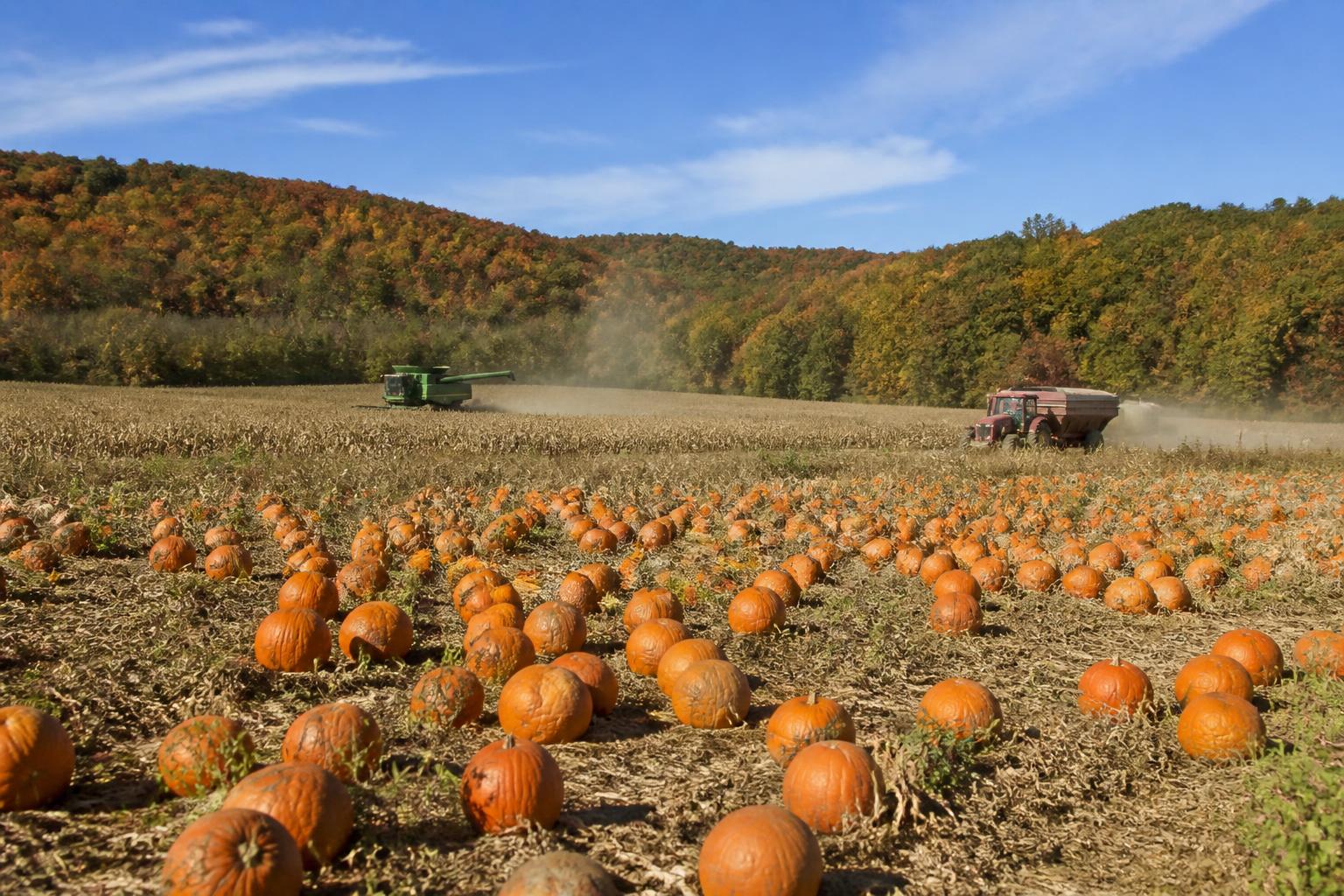
As the fall harvest gains momentum across West Virginia, agricultural producers and logistics operators are balancing seasonal field demands with ongoing adjustments in state policy. Managing the flow of commodities through the state's distinct topography often requires careful coordination, especially as harvest-related traffic increases on secondary roads throughout our rural counties.
Producers are currently monitoring developments regarding proposed legislation aimed at easing administrative burdens on small farms, a move that could potentially impact operational costs for local handlers. Staying informed on these legislative changes is as essential as managing the physical supply chain during the busy harvest months.
Regulatory and Operational Awareness
Beyond the field, maintaining compliance and operational oversight remains vital. Recent discussions in the state legislature highlight an ongoing effort to evaluate fee structures, which may influence how small-scale agribusinesses manage their annual financial planning. In addition to legislative shifts, vigilance in monitoring crop health and shipment integrity continues to be a standard practice for operators dealing with interstate and regional logistics, particularly when moving specialized inventory.
Infrastructure and Regional Logistics
Efficient movement of goods remains the backbone of the state's agricultural economy. Whether navigating the logistical complexities of fall harvest traffic or managing the nuances of input supply, proactive communication with transport partners can help mitigate potential bottlenecks. While the state's transport corridors are busy, regional operators are focused on maintaining the steady pace required to handle increased volume efficiently. For those managing farm budgets, understanding these growing financial headwinds is critical as you navigate the remainder of the year.
As operations continue to scale, keeping a close watch on regional infrastructure projects and regulatory updates—such as those discussed in recent resilience-focused producer updates—will support better long-term decision-making.
What it means for the market
The convergence of legislative adjustments and peak seasonal activity requires producers to maintain high levels of operational flexibility. By prioritizing cost-effective logistics and staying engaged with state-level policy developments, West Virginia agribusinesses can better navigate the complexities of this year's harvest cycle while protecting their bottom lines.
Comments
No comments yet - be the first to share your take.