
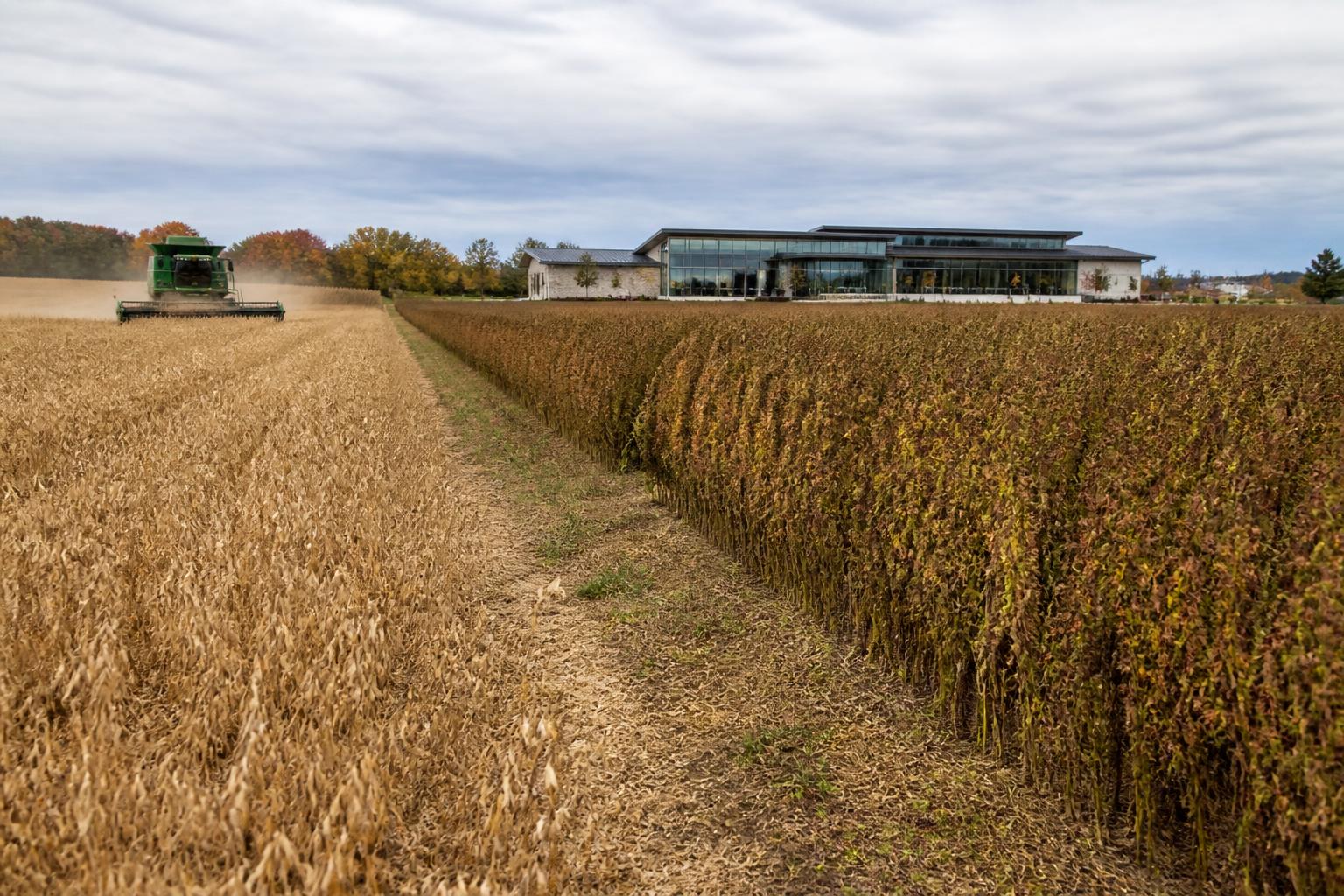
With the autumn harvest season now underway across Nebraska, agricultural producers and grain handlers are turning their attention to the critical task of moving the crop from field to storage and beyond. Maintaining operational flow remains a top priority, especially as infrastructure constraints often tighten during the peak of the fall season. For many in the state, ensuring that local elevator capacity and regional transport networks remain fluid is essential for managing the initial influx of grain.
As operations gain momentum, the interplay between storage availability and regional logistics becomes increasingly complex. Producers who are navigating ongoing storage constraints may need to explore alternative staging solutions or prioritize high-speed loading to minimize downtime at the scale. The ability to coordinate timely pick-ups and manage transit times effectively can be the difference between a smooth harvest flow and potential bottlenecks at receiving facilities.
Managing Risk in a Shifting Market
Beyond the physical movement of commodities, managing exposure to market volatility is a recurring theme for Nebraska agribusinesses. Producers are often encouraged to utilize available educational resources and webinars to better understand how to hedge against operational costs and mitigate risks associated with grain marketing. Strengthening these strategies now can provide a buffer against the price fluctuations that frequently accompany the height of the fall harvest.
What it means for the market
The success of the season in Nebraska depends on a combination of efficient field operations and resilient supply chain management. By keeping a close eye on transport availability and staying informed on local market developments, stakeholders can better position themselves to handle the logistical demands of the current season. Proactive planning remains the most effective tool for mitigating the impact of potential regional disruptions.
Comments
No comments yet - be the first to share your take.