
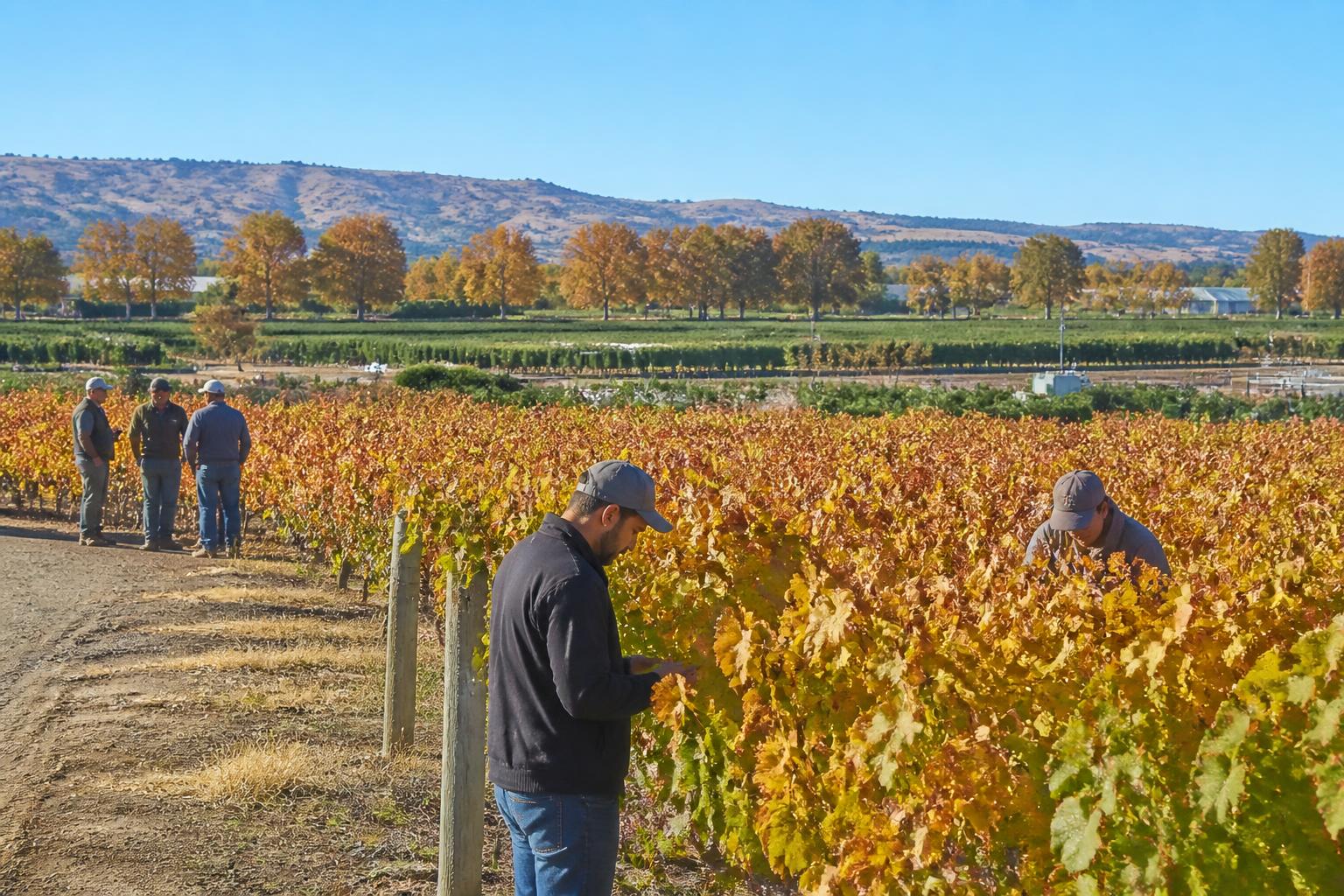
As Oregon moves into the fall season, the agricultural landscape remains focused on maintaining operational efficiency amid a complex mix of economic and structural shifts. For many producers, this period marks a critical window for finalizing harvest preparations and assessing the impact of ongoing volatility in input markets. From the Willamette Valley to the high deserts of Central Oregon, the focus is increasingly on managing margins while adjusting to the latest industry consolidation and technology integration trends.
Market participants are paying close attention to the stabilization of input costs, particularly as growers refine their approach to field management. Implementing advanced pest scouting and precision monitoring can be a vital strategy during this transition, allowing for more data-driven decisions regarding resource allocation. In some corners of the state, these localized strategies for field protection and compliance are serving as a benchmark for long-term viability.
Infrastructure and Industry Evolution
The state's infrastructure is also undergoing significant adjustments. Recent developments in processing facilities, such as acquisitions in the egg sector and new investments in biorefineries designed to convert waste into energy, underscore a broader push toward vertical integration and sustainability. For logistics managers and grain handlers, these shifts often necessitate closer coordination with transport providers to ensure that flow remains uninterrupted during the peak of the fall movement.
Furthermore, the nursery sector is demonstrating a marked increase in automation adoption, signaling a long-term effort to mitigate labor challenges and improve output quality. These investments, while requiring initial capital, are increasingly viewed as essential safeguards for the state's diverse specialty crop portfolios. For those managing market stability through protective measures, staying aligned with these regional shifts is paramount.
Strategic Planning for the Season Ahead
As the sector navigates these changes, producers are balancing external economic pressures with local field realities. Whether it involves adopting new feed growth methods in arid regions or managing the impact of regional environmental shifts on crop health, the ability to pivot is a recurring theme. The focus remains on leveraging proven crop resilience strategies that protect yields without sacrificing the bottom line. Taking a proactive stance on supply chain monitoring and staying informed on legislative developments will likely remain the standard for operators throughout the remainder of the year.
What it means for the market
For Oregon agribusinesses, the fall outlook hinges on operational agility. As input costs and infrastructure transitions continue to reshape the local economy, successful producers are those who prioritize precise field management and integrated supply chain strategies. Monitoring these regional shifts is essential for maintaining a competitive edge during the harvest season and into the upcoming planning cycle.
Comments
No comments yet - be the first to share your take.