
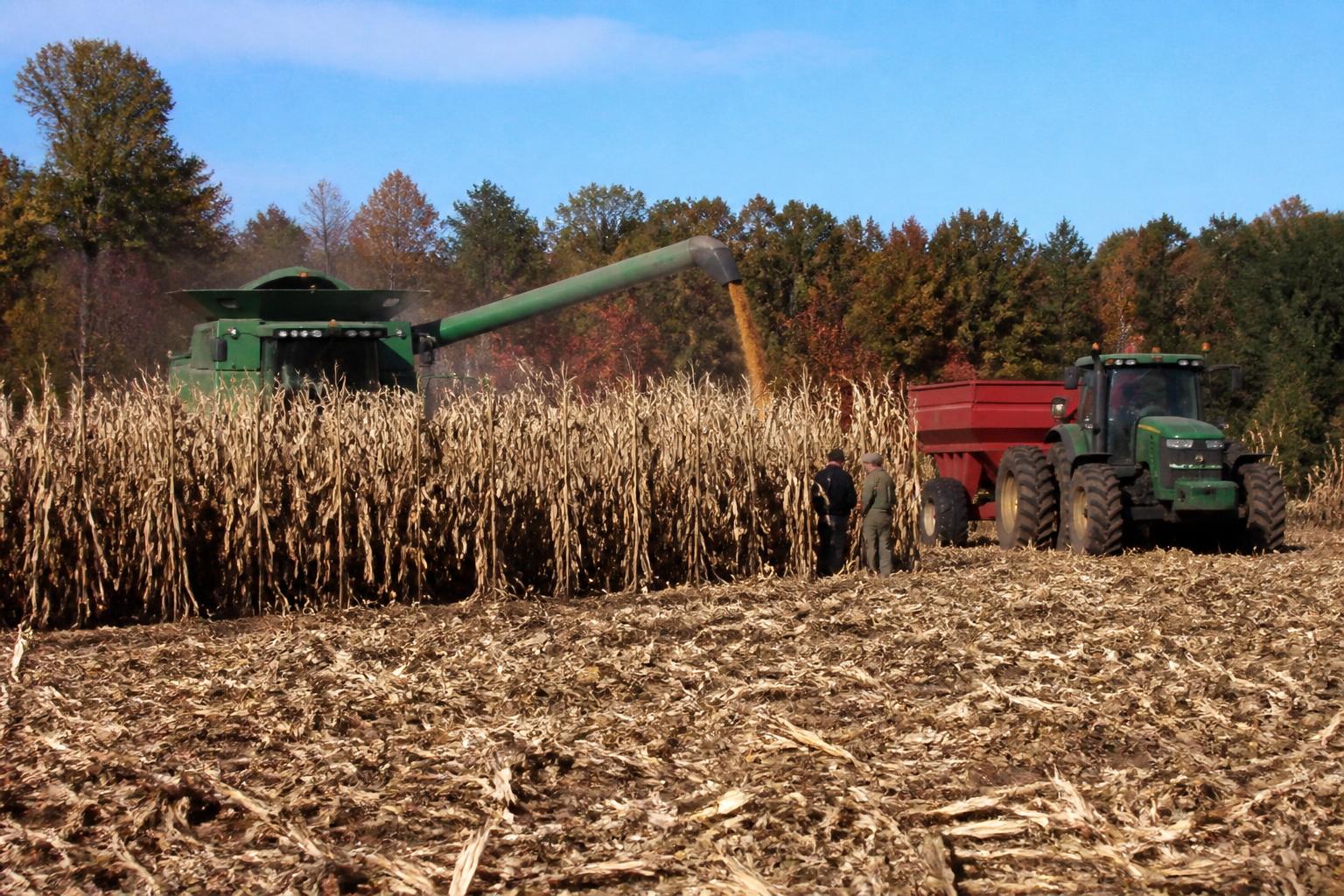
As the autumn season settles over Utah, agricultural producers and grain handlers are balancing the immediate demands of the harvest cycle with broader market pressures. Across the state, from the northern valleys to central corridors, growers are managing the typical complexities of the fall transition, including fluctuating moisture levels and the logistics of moving grain toward regional storage and processing facilities.
Operational efficiency remains a focal point for many agribusinesses in the region. The necessity of maintaining consistent supply chains is often underscored by the need for strategic storage management, especially as market observers continue to monitor how broader trends in the U.S. grains sector filter down to local producer returns. For those interested in the nuances of regional volatility, our recent look at Utah grain producers' responses to shifting markets highlights the importance of adaptive decision-making during this time of year.
Managing Resource Constraints and Logistics
Resource management remains a critical theme for Utah agriculture this season. Navigating water availability and operational costs continues to influence how local operations structure their post-harvest activities. When logistics hit capacity, understanding the broader market outlook and infrastructure challenges can provide a clearer picture for grain handlers trying to optimize their delivery windows and storage usage.
For growers and market participants, the integration of new tools and information streams is becoming a standard part of navigating uncertainty. Whether assessing the viability of local inputs or tracking seasonal price adjustments, staying informed about regional market resilience remains vital for long-term sustainability as the state's agriculture sector enters the final quarter of the year.
What it means for the market
For the average Utah operation, the coming weeks will likely prioritize harvest pace and storage logistics over immediate forward-selling. As the industry faces periodic shifts in global and domestic demand, localized attention to storage costs and grain quality preservation is expected to be the primary driver of profitability throughout the fall season.
Comments
No comments yet - be the first to share your take.