
Addressing Emerging Biosecurity Threats
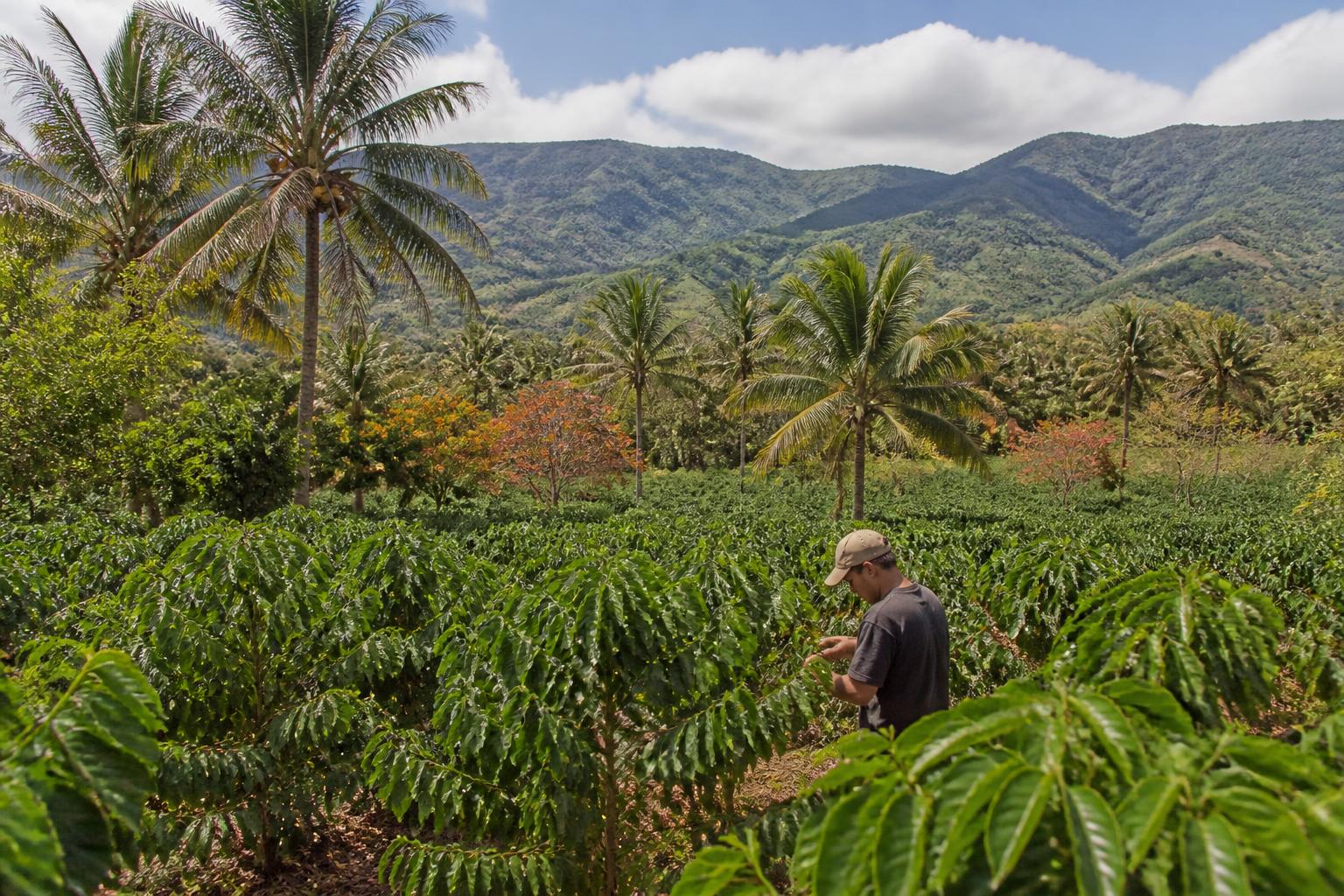
As Hawaii moves into the fall, local producers face ongoing pressure from invasive pests that threaten the state's diverse specialty crop sectors. Recent reports of alien beetle infestations targeting coconut and palm trees highlight the persistent need for vigilant monitoring and integrated pest management. The agricultural community, including those managing small-scale apiaries and backyard gardens, is increasingly looking toward innovative biosecurity strategies to safeguard local yields. From specialized drone applications to updated containment protocols, the shift toward proactive protection is becoming a cornerstone of regional farm planning.
Navigating Land Use and Conservation Policy
The conversation surrounding Hawaii’s agricultural lands remains dynamic, with ongoing discussions about institutional oversight and the effective allocation of acreage. Many producers are calling for policy refinements that could shift the management of key agricultural tracts under more centralized departmental authority. This transition, proponents argue, could provide clearer pathways for conservation efforts and long-term land utilization. As stakeholders engage with federal agencies, such as recent conservation meetings held in Hilo, the focus remains on balancing economic productivity with the preservation of natural resources.
Operational Resilience in a Volatile Climate
For farmers and agribusinesses across the islands, the environment remains inherently variable. Whether responding to the aftermath of natural events, such as volcanic activity, or managing the complexities of water rights and soil health, efficiency is essential. New leadership in local farm projects suggests a renewed emphasis on structural stability and resource allocation. For operators, this means prioritizing soil nutrient management and maintaining flexible logistics to handle the demands of the current season.
What it means for the market
The push for improved land management and stricter biosecurity creates a more structured environment for input buyers and suppliers. As the state refines its agricultural oversight, producers who lean into data-driven pest control and sustainable soil practices may see improved long-term yields. For those in the supply chain, expect a continued focus on niche local products, such as tea and coffee, which remain sensitive to biosecurity disruptions and regulatory changes in growing kits.
Comments
No comments yet - be the first to share your take.