
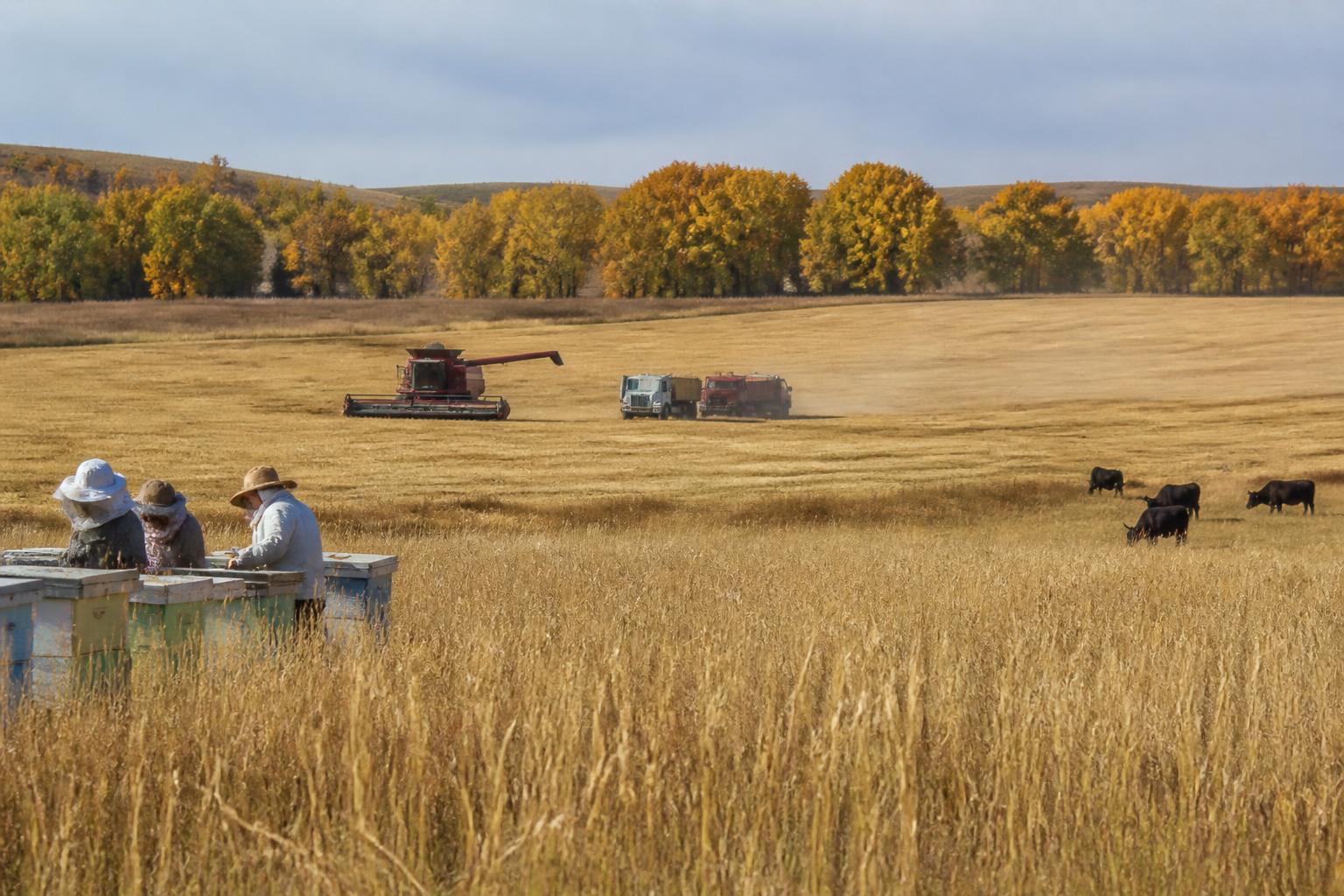
Wyoming agriculture is entering a critical transition phase this fall. As crews move into the fields for the final push of the harvest season, the combination of arid climate patterns and increasing regulatory scrutiny is forcing many operators to reconsider their standard management practices. From the high plains to the basins, local producers are feeling the squeeze of environmental mandates that impact everything from land use to operational input management.
Resource management remains a top priority for regional agribusinesses. Logistics and infrastructure constraints continue to complicate the movement of seasonal goods, making it essential for operators to secure transport early. As the season progresses, the necessity for a streamlined supply chain has become even more pronounced in the face of shifting land access regulations and regional environmental protections.
Adapting to a Changing Regulatory Environment
Recent developments in federal land use policies are creating ripple effects for livestock and grain producers alike. As compliance requirements regarding habitat protection grow more complex, land managers are finding that the cost of doing business is increasingly tied to their ability to navigate these legal landscapes. For farmers working in sensitive areas, staying current on policy changes is no longer optional; it is a fundamental part of the fall planning process.
These input hurdles and regulatory challenges are occurring alongside a broader trend of aridification in the West. As soil moisture levels fluctuate, producers are looking toward new strategies to maintain yield consistency without ballooning their operational costs. Whether through the adoption of more resilient crop varieties or more precise, monitored input applications, the focus has shifted firmly toward long-term operational efficiency.
Logistics and Market Readiness
Market participation remains a delicate balance. Producers are watching local hay prices and commodity trends closely, especially as transportation costs fluctuate. With the fall harvest now in full swing, the pressure to optimize storage and transport capacity is high. Producers who have proactively planned for potential bottlenecks are finding themselves in a much better position to capture value before winter weather complicates site access.
What it means for the market: The current environment favors producers who prioritize regulatory foresight and logistical flexibility. Expect continued volatility in input costs as regional supply chains adjust to the intersection of environmental policy shifts and the typical seasonal surge in hauling demand. Operators should verify local regulatory requirements early to avoid disruptions that could delay critical harvest operations or increase delivery timelines.
Comments
No comments yet - be the first to share your take.