
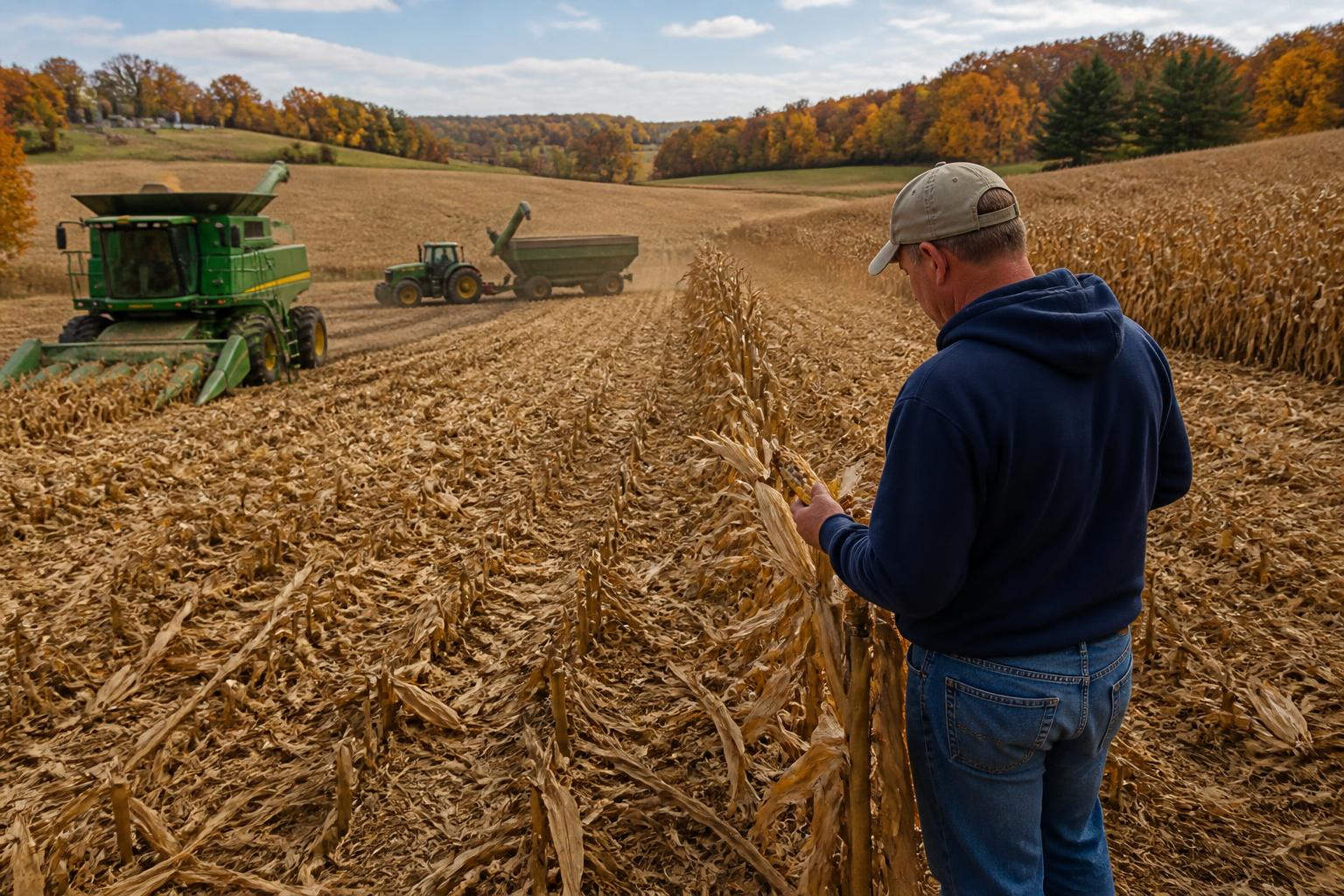
For North Carolina growers, the transition into the peak of the fall season often necessitates a careful balance between managing harvest logistics and preparing for future input requirements. As producers evaluate their bottom lines, access to clear, localized information regarding the shifting prices of critical inputs like diesel and fertilizer becomes a cornerstone of operational planning. Maintaining awareness of these costs allows for more informed decision-making in what remains a complex North Carolina agribusiness landscape.
Integrated Approaches to Crop Resilience
Beyond traditional commodity management, many in the state are increasingly looking toward integrated crop protection strategies to safeguard yields. This approach often emphasizes the use of sustainable practices and emerging technologies to mitigate field risks. As researchers and industry leaders discuss the definition and application of tools like biostimulants, farmers are encouraged to assess how these resources might fit into their existing protection programs to bolster plant health against environmental stressors.
Logistics and Market Connectivity
Efficient movement of goods remains a primary focus for North Carolina agriculture, particularly as harvest traffic impacts local corridors. Whether moving grain to regional elevators or exploring direct-to-consumer outlets like bulk farm vending, the ability to streamline supply chain movements can directly influence profitability. Staying informed on seasonal transit pressures is vital for anyone coordinating movement from the field to the point of sale during this busy time of year.
What it means for the market
Producers who prioritize data-driven input management and flexible protection strategies are better positioned to navigate the current market volatility. As the season progresses, focusing on localized cost monitoring and optimized logistics will continue to be a practical, high-value strategy for maintaining a competitive edge in North Carolina fields.
Comments
No comments yet - be the first to share your take.