
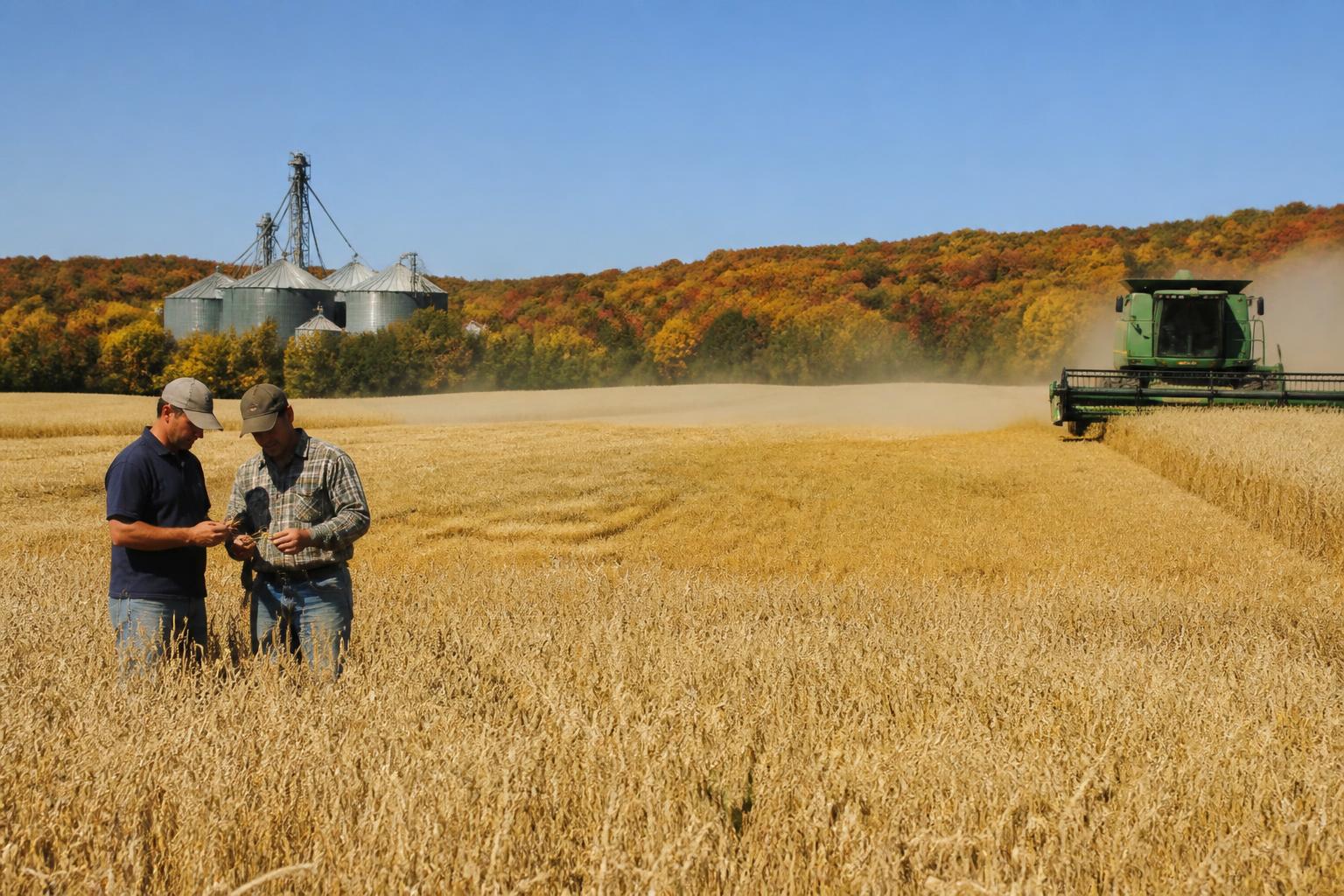
As Colorado producers move through the fall season, the focus for many agribusinesses and farmers has shifted toward managing input efficiency and navigating the persistent uncertainty surrounding weather conditions. With moisture availability remaining a critical factor for local operations, from the high plains to the irrigated valleys, producers are increasingly evaluating their crop protection toolkits to optimize yields in a challenging climate.
Innovations in the crop protection space continue to offer potential avenues for improved management. Researchers and startups are exploring new biological solutions, including RNA-based tools and alternative compounds like capric acid, which may provide organic specialty crop producers with more flexible options for weed management. These advancements can be vital as growers aim to maintain operational stability while contending with the broader market shifts impacting grain and input logistics across the state.
Input Management Under Pressure
The current environment requires a disciplined approach to inventory and application. Market fluctuations, often driven by global dynamics, have direct consequences for Colorado farm-gate prices and input costs. For those relying on precise timing for herbicide and pesticide applications, staying informed on available technologies is essential. Modernizing infrastructure, such as irrigation canals, remains a top priority to mitigate water loss during transit, helping to stretch limited resources further in drought-prone regions.
What it means for the market
For Colorado farmers and grain handlers, the path forward involves balancing legacy land management with the adoption of specialized protection tools. As the industry faces potential delays in federal program signups, prioritizing cost-effective inputs and infrastructure efficiency will likely be the primary defense against ongoing market volatility. Maintaining clear communication with local suppliers and keeping a close watch on regional moisture status will be critical for weathering the remainder of the season.
Comments
No comments yet - be the first to share your take.