
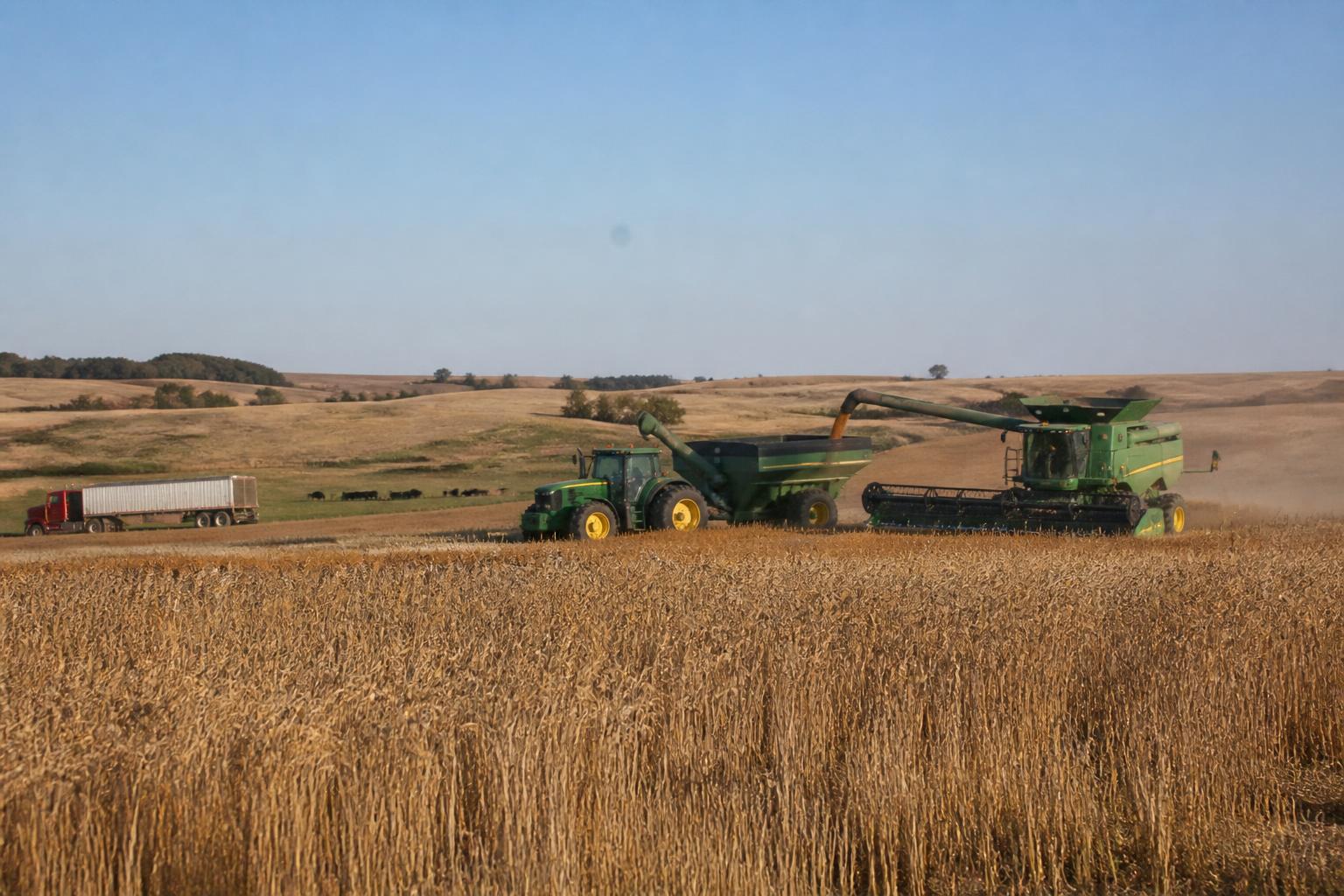
As Oklahoma producers transition into the fall season, the agricultural sector remains under pressure from a sustained squeeze on input costs. For many growers across the state, from the expansive wheat fields to local livestock operations, managing margins has become the primary operational challenge. Recent reports suggest that these financial constraints could weigh heavily on the sustainability of younger farming operations in the coming months, necessitating a disciplined approach to capital allocation.
Market uncertainty continues to influence decision-making, particularly as producers navigate the complex intersection of global demand and domestic supply. With harvest logistics and storage decisions currently at the forefront of many minds, farmers are carefully balancing the need for immediate liquidity against the potential for shifting price environments.
Managing Risk in an Uncertain Climate
Livestock producers in the state are also monitoring broader industry shifts, including discussions around beef import policies that may impact calf prices. These external variables, coupled with the ongoing volatility in grain markets, require a heightened focus on risk mitigation. Whether through forward contracting or optimizing input usage, producers are evaluating every lever to protect their bottom line before the next planting window opens.
Logistics and Market Access
Efficient movement of commodities remains a cornerstone of the Oklahoma agricultural economy. As harvest progresses, logistics providers and grain elevator operators are preparing for the seasonal uptick in traffic. Maintaining clear communication along regional supply chains is essential for producers aiming to maximize their returns in an environment where every percentage point of margin counts.
What it means for the market: For the Oklahoma producer, the current economic climate demands a shift toward defensive management. While input costs remain high, prioritizing operational efficiency and staying informed on regional logistics developments can provide a critical advantage in managing the seasonal transition.
Comments
No comments yet - be the first to share your take.