
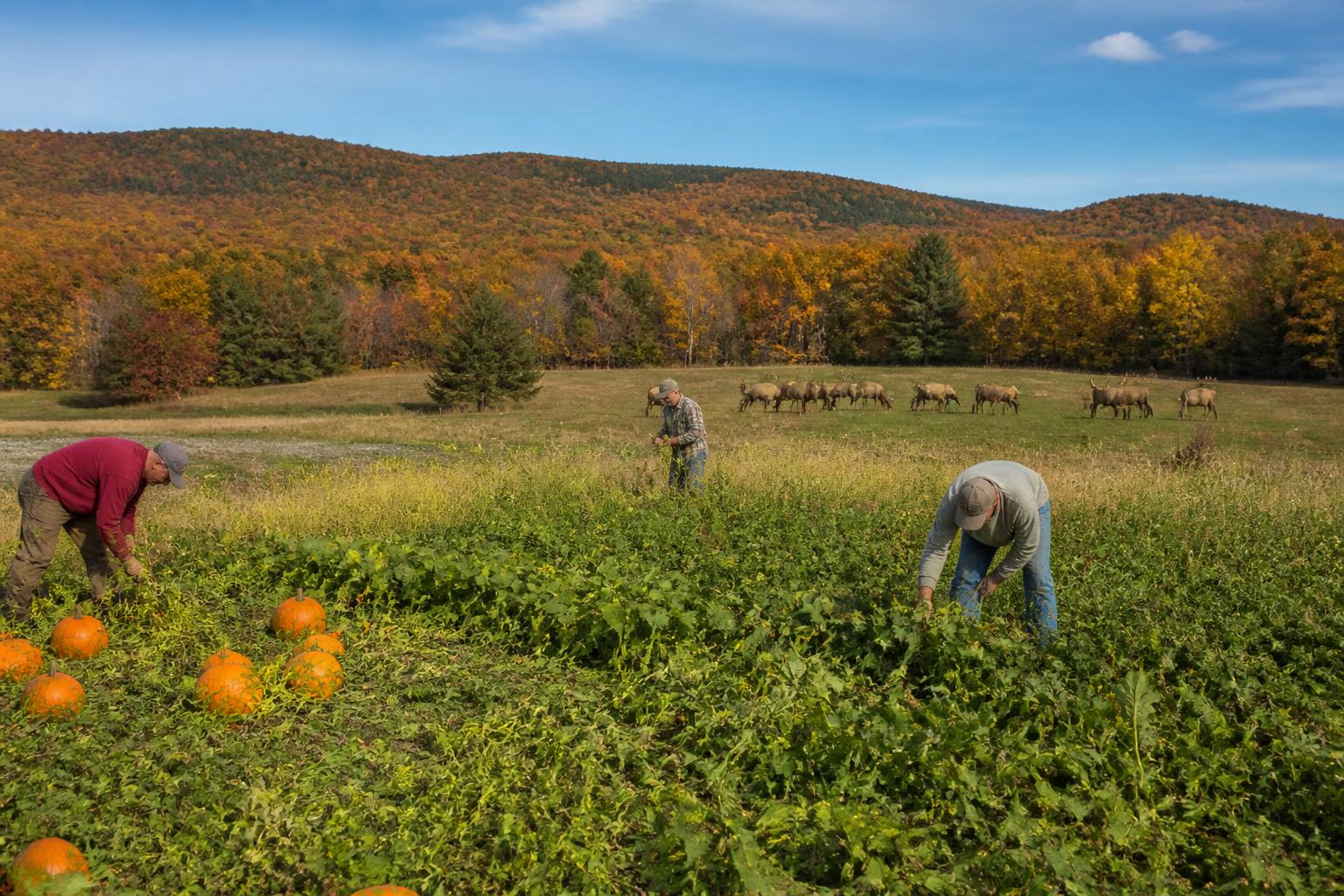
With the autumn harvest season officially arriving, West Virginia farmers are shifting focus toward securing their operations against a variety of environmental and logistical pressures. Ensuring the integrity of production assets during this high-activity window is essential for minimizing losses and protecting thin profit margins as we move deeper into the fall.
Producers are encouraged to maintain vigilance regarding emerging threats that can impact land and inventory. As detailed in our recent West Virginia logistics update, the movement of grain and inputs requires heightened coordination during the peak harvest period, particularly when navigating rural infrastructure under heavy seasonal demand.
Mitigating Field-Level Risks
Beyond standard operational efficiency, agricultural protection includes proactive monitoring of plant health and regional pests. While local reports often highlight diverse challenges, staying informed about evolving pest pressures remains a cornerstone of good farm management. Regularly checking state-provided guidance on invasive species helps ensure that early detection is possible, preventing widespread damage to local crops and ornamental plantings.
Logistical Awareness and Road Safety
The fall season brings increased traffic density on rural roads, which can complicate the transport of heavy equipment and agricultural commodities. In West Virginia, where mountainous terrain and narrower corridors often demand cautious transit, farmers are reminded to prioritize safety during the peak movement months of October through December. Managing road interactions not only protects equipment and personnel but also helps maintain community relations and local transport efficiency.
Infrastructure and Future Planning
As the sector navigates current market shifts, including changes in input supply and farm support initiatives, it remains critical to evaluate how infrastructure investments, such as updated storage or precision technology, can provide long-term resilience. Developing a comprehensive protection strategy, which encompasses everything from risk-mitigation insurance decisions to field-level biosecurity, ensures that West Virginia operations remain competitive in a changing agricultural landscape.
What it means for the market
Market stability in West Virginia depends heavily on the successful, uninterrupted completion of the harvest. By focusing on asset protection—whether that means securing against pest outbreaks, managing traffic safety during transit, or optimizing crop storage infrastructure—producers can reduce unnecessary overhead. Careful management of these localized risks will be the primary driver of profitability for the remainder of the season.
Comments
No comments yet - be the first to share your take.