
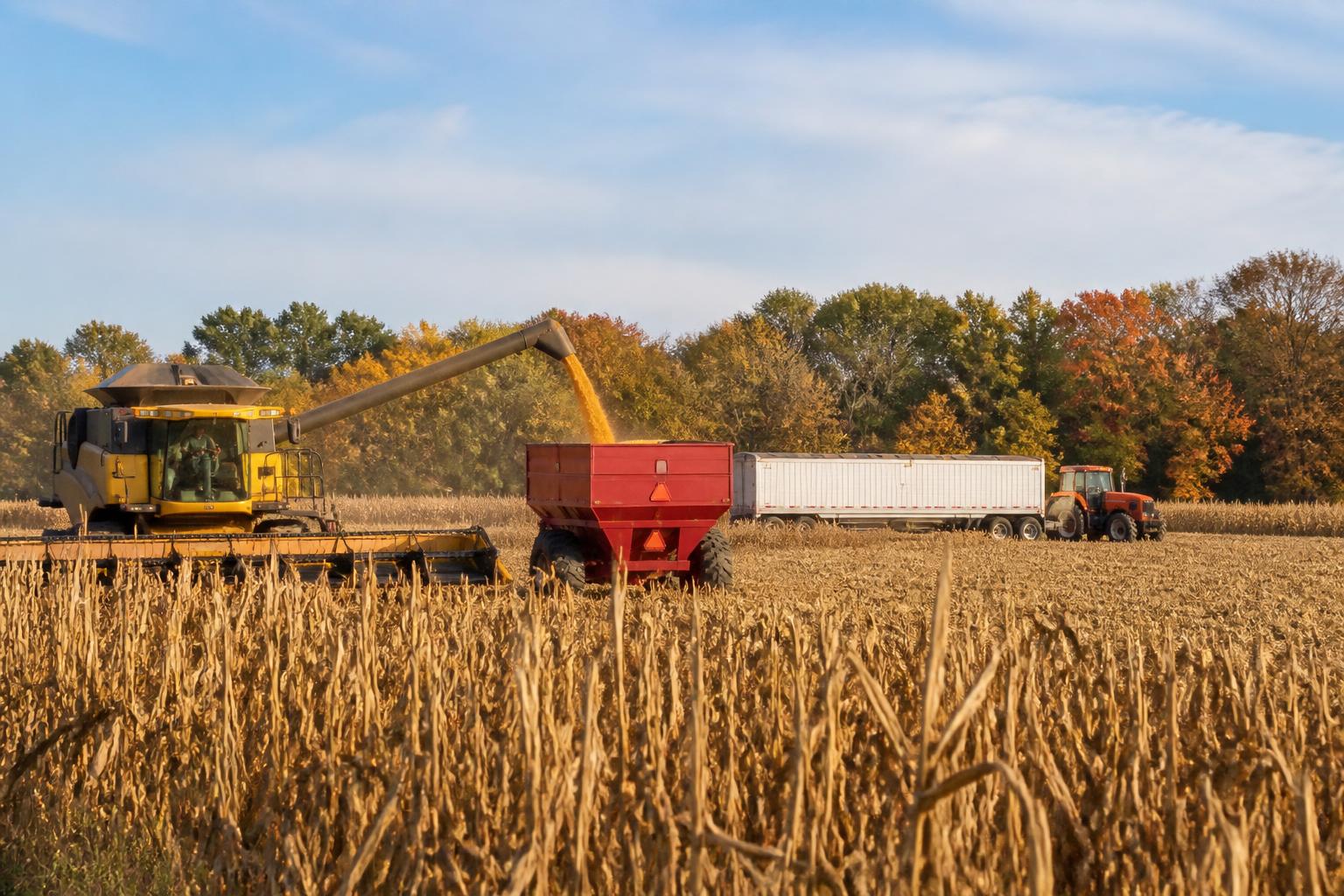
As the state moves deeper into the fall season, Minnesota producers are turning their attention toward the upcoming harvest. With activity increasing across the Corn Belt, field scouts and managers are emphasizing the importance of continued vigilance regarding late-season crop health. While operational focus often shifts to machinery prep and logistics, staying ahead of potential yield-limiting factors is essential for maximizing final returns.
Monitoring Disease Pressures
The 2026 season has brought specific challenges to the forefront, with agricultural observers highlighting a renewed risk of Southern Rust across the region. Even as we enter mid-September, producers are encouraged to maintain active scouting programs. While many fields may be approaching maturity, early detection of disease can help inform management strategies for future planting cycles and protect grain quality in high-risk areas.
For those managing logistics and grain storage preparation, understanding the health status of standing crops is a vital piece of the harvest puzzle. Knowing if specific blocks have been impacted by disease can influence moisture monitoring and drying decisions once the combine starts rolling.
Efficiency and Field Management
Beyond disease management, Minnesota farmers are also seeing innovation in mechanical field treatments. Recent developments, such as new attachments for smashing rootballs between rows, have shown potential for extending the window for ground preparation. Integrating such tools into a broader protection strategy can help operators manage residue more effectively, ensuring the field is ready for the next season while minimizing downtime during the busy fall transportation and transit phase.
What it means for the market
The confluence of potential late-season disease and evolving field management practices creates a complex environment for Minnesota growers. Protecting yield potential is not just about the final harvest; it is about gathering actionable data on field performance to optimize inputs for next year. As harvest gains momentum, farmers should prioritize efficient crop assessment, as these insights directly influence the financial health and risk mitigation strategies for the coming agricultural year.
Comments
No comments yet - be the first to share your take.