
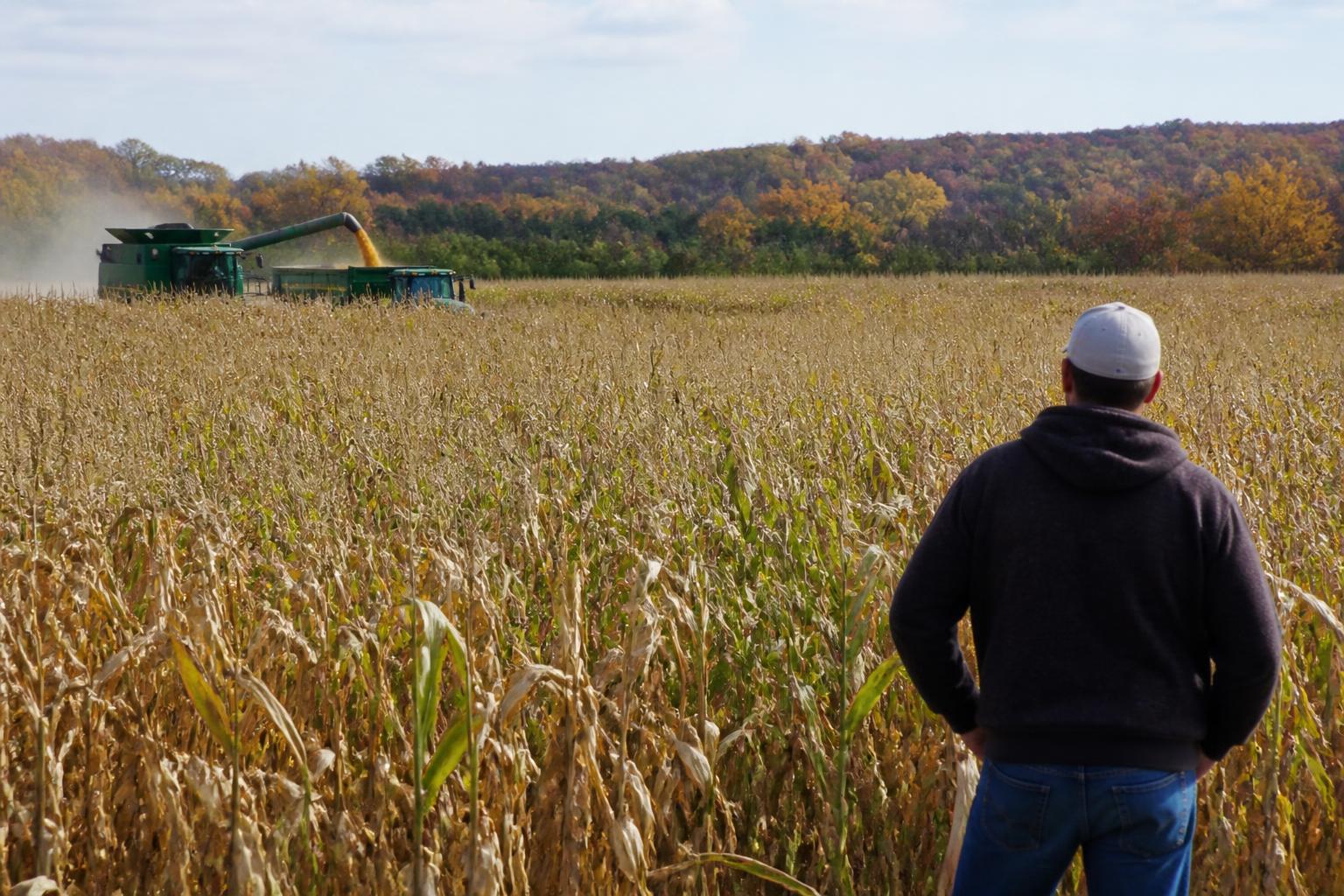
As we move through the heart of the fall season, New York farmers are facing a complex landscape of operational decisions. The convergence of tightening supply chains and the evolving availability of crop protection tools requires a proactive approach to farm management. For many growers across the state, from the Hudson Valley to the Western New York plains, the focus is currently on securing necessary inputs while maintaining the efficiency of regional supply networks.
Recent discussions within the industry have highlighted the necessity of strengthening regional supply chains to combat broader economic pressures. As global trade variables continue to impact commodity pricing, New York agribusinesses are increasingly exploring ways to streamline localized operations to maintain profitability. Furthermore, producers are keeping a close eye on the logistical shifts that frequently define the harvest period, ensuring that grain movement and input storage remain unencumbered by regional transportation bottlenecks.
Adapting to Evolving Crop Protection Standards
The agricultural sector is navigating a transition in crop protection, driven by both regulatory scrutiny and the emergence of new, generic alternatives. While some traditional chemistries face significant limitations due to environmental and safety concerns, farmers are increasingly looking toward modern biotechnology partnerships to bridge the gap. In New York, local research institutions continue to play a pivotal role, awarding grants that aim to foster innovative solutions in sustainable pest and disease management.
For those managing diverse acreage, the reliance on older, more restricted products is being challenged. Growers are encouraged to utilize updated scouting resources to identify specific pressure points in their fields. By focusing on targeted, rather than prophylactic, application strategies, farmers may be able to extend the utility of available products while meeting the increasing demand for sustainable practices in New York agriculture.
Logistical Resilience During Peak Harvest
Logistics remain a critical pillar for the state's agriculture. As harvest activities ramp up, the pressure on local elevator infrastructure and rural road corridors increases. Ensuring that transportation equipment is ready for the intense seasonal pace is vital. Many operators are finding that shorter supply chains can provide a competitive advantage, reducing exposure to the types of systemic shocks that often delay inputs and prevent the timely arrival of finished goods at regional ports.
What it means for the market: Producers and agribusinesses should prioritize building local inventory buffers and diversifying their input suppliers to mitigate potential shortages. By leaning into precision management tools and supporting regional infrastructure initiatives, New York farmers can better position themselves to handle the logistical volatility that characterizes modern production cycles.
Comments
No comments yet - be the first to share your take.