
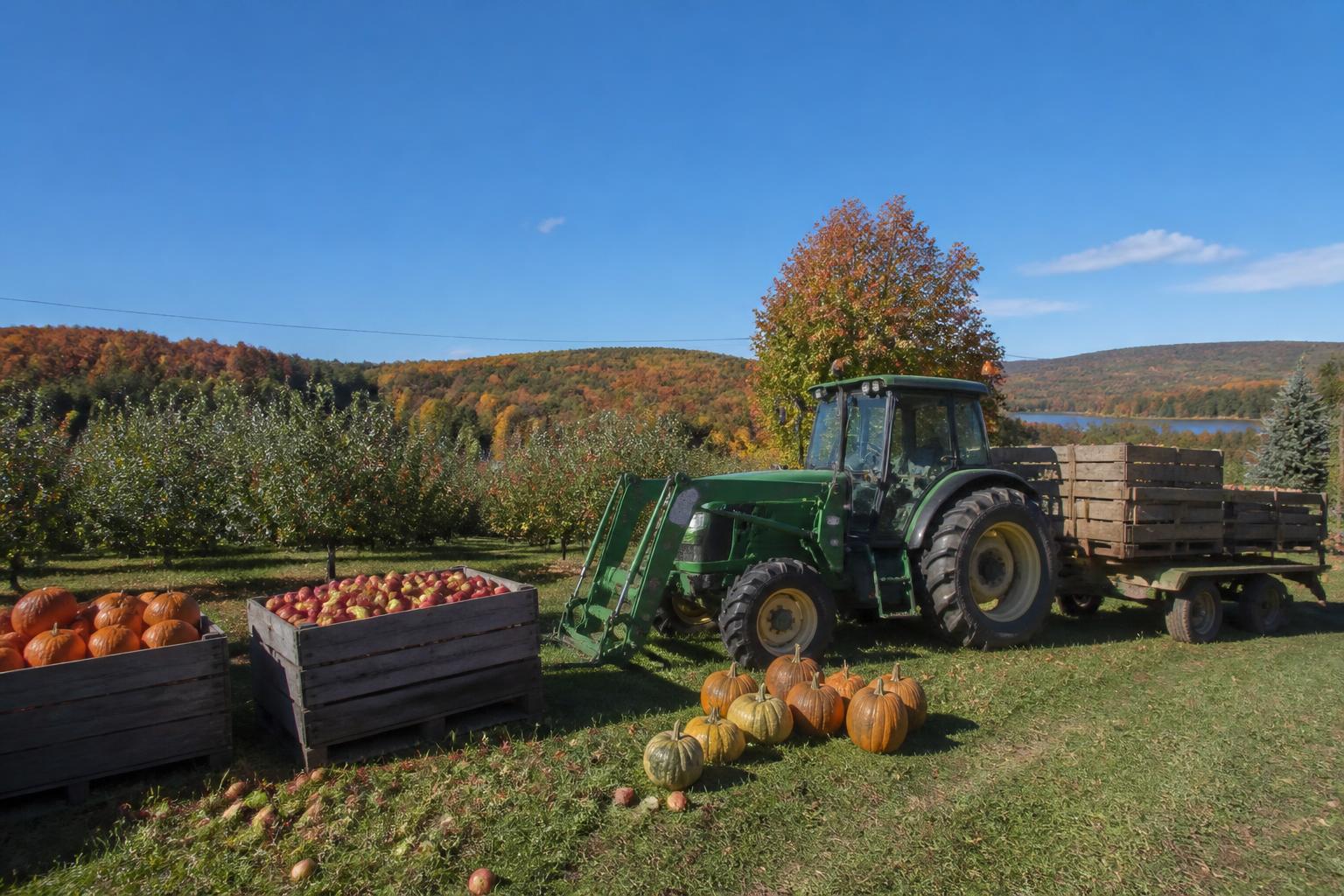
As Michigan heads deeper into the fall season, producers across the state are focusing on securing their operations against a confluence of unpredictable variables. From sudden weather events impacting late-stage crops to the lingering concerns surrounding international trade and export costs, managing agricultural risk is now at the forefront of operational planning. Maintaining a robust safety and protection strategy is not just about physical asset security, but about insulating the bottom line from sudden shocks in the marketplace.
Weather Volatility and Crop Health
Recent reports of frost events impacting fruit buds have served as a stark reminder of how quickly seasonal conditions can shift in Michigan. These localized weather anomalies often require growers to adopt flexible protection strategies. Whether it is managing moisture levels in soil or preparing for early temperature drops, the ability to pivot rapidly is a hallmark of resilient local agribusinesses. Maintaining open lines of communication with regional crop consultants and monitoring field conditions closely can help mitigate the worst of these environmental stressors.
Managing Input and Export Pressures
Michigan farmers continue to face challenges regarding high input costs and shifting international trade dynamics. With export losses impacting regional revenue, many producers are turning toward more conservative budgeting and rigorous cost-analysis. Agribusinesses are increasingly prioritizing efficiency, often seeking out custom machine work or shared logistics solutions to lower overhead. In some cases, diversifying crop rotations or securing forward-contracting options may provide a necessary buffer against the volatility currently seen in global trade markets.
Logistics and Operational Continuity
Infrastructure and supply chain reliability remain critical to keeping Michigan agricultural goods moving efficiently from field to port. As the fall harvest intensifies, the coordination of freight and machinery becomes paramount. Whether navigating heavy transit corridors or managing seasonal storage capacity, the efficiency of your logistics partner can directly influence the margin of protection you have on your seasonal yields. Ensuring that transport and handling networks are optimized for the current harvest pace is a proactive way to defend against localized bottlenecks.
Key Takeaways
- Monitor regional weather patterns closely to anticipate potential frost or moisture-related damage.
- Reassess input procurement strategies to account for current market volatility and trade-related cost pressures.
- Leverage local logistics and custom work networks to maximize equipment utilization during the peak fall season.
What it means for the market
The current climate requires a heightened state of awareness for Michigan producers. By combining defensive financial planning with flexible operational logistics, growers can better navigate the complexities of this year's market. Prioritizing protection, whether through risk-mitigation tools or physical field-level management, remains the most viable path toward sustained stability as the industry moves through the remainder of the season.
Comments
No comments yet - be the first to share your take.