
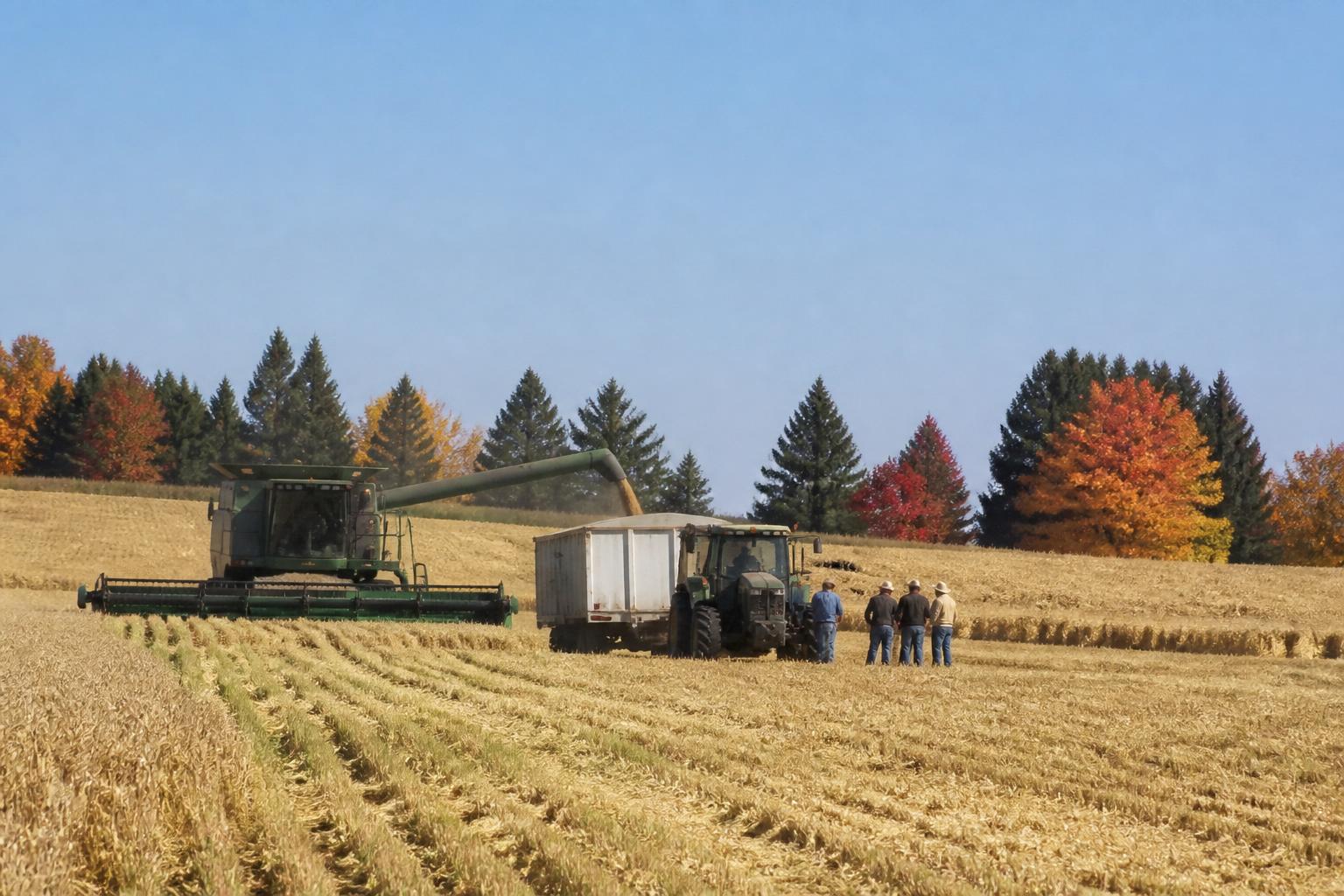
As Washington farmers move deeper into the fall harvest season, many are navigating a complex landscape defined by persistent supply chain pressures and fluctuating input costs. Regional growers, particularly those operating across the state's diverse agricultural corridors, continue to prioritize operational efficiency while keeping a close eye on broader market signals that may impact their bottom line.
For many producers, the cost and accessibility of essential inputs remain at the forefront of management decisions. Ongoing discussions among farm groups regarding trade policies and domestic production capacity underscore a shared desire for a more predictable market for fertilizers. These inputs represent a significant variable in the annual expense sheet, and regional agribusinesses are monitoring these developments closely to adjust their procurement strategies before next season's requirements are finalized.
Logistics and Market Connectivity
Efficient movement of goods remains a critical challenge for Washington’s agricultural economy. From the busy harvest period in the eastern regions to the essential transit routes connecting inland farms to coastal ports, producers and logistics partners are coordinating to mitigate bottlenecks. The reliability of rail and road transport is under constant evaluation, with industry stakeholders actively engaging with policy initiatives that aim to ensure safety and consistent service for bulk commodity shipments.
Navigating Global Headwinds
Washington’s agricultural sector does not operate in a vacuum, and international developments continue to ripple through local operations. Whether it involves monitoring shifting trade conditions or responding to global supply disruptions, farmers are adapting by diversifying their market approach. The uncertainty surrounding federal policy frameworks, including the status of agricultural legislation, adds another layer of complexity for those planning their long-term operations.
What it means for the market
The current environment requires a disciplined approach to risk management. As harvest throughput increases, maintaining a clear line of communication with local elevators and transport providers can help producers navigate potential congestion. By staying informed on policy discussions and regional input availability, agribusinesses in Washington can better position themselves to mitigate the impact of external market pressures this fall.
Comments
No comments yet - be the first to share your take.