
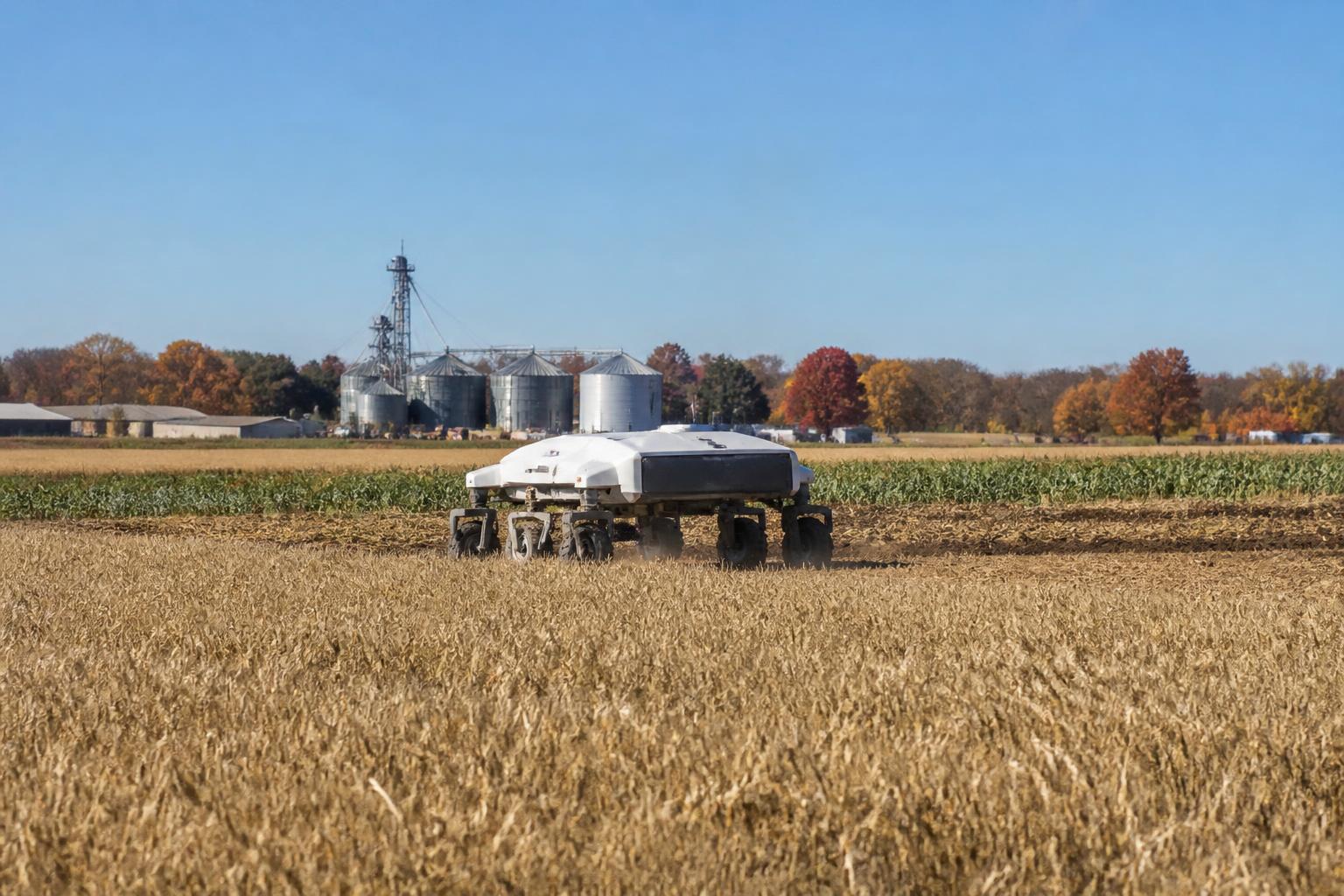
Oklahoma producers are entering the fall season under a cloud of uncertainty as fertilizer markets grapple with significant pricing volatility. Recent global events have disrupted supply chains, causing concern for farmers looking to secure essential nutrients for their upcoming winter wheat and cover crop applications. When costs for key inputs like phosphate surge, the operational math for the remainder of the year shifts, forcing many in the Sooner State to re-evaluate their strategies for managing input costs and operational risks.
Navigating Market Pressures
The current price spikes are linked to broader geopolitical tensions and sulfur shortages, which have squeezed the availability of phosphate-based products. For grain handlers and elevators across Oklahoma, this volatility is reflected in tighter margins and cautious purchasing behavior among local growers. While some producers have already secured their necessary inventories, those still in the market may find themselves facing significantly higher price tags than those seen in previous seasons.
Operational Efficiency as a Shield
In response to these financial headwinds, many Oklahoma agribusinesses are prioritizing precision and resource management. Technologies aimed at optimizing water usage and soil fertility are increasingly viewed as essential tools rather than luxuries. By tightening the feedback loop between field monitoring and input application, farmers may be better positioned to mitigate the impact of external price shocks, ensuring that every dollar spent on fertilizer yields the highest possible return.
What it means for the market
For the Oklahoma agriculture sector, this fall will be defined by strategic austerity. Producers who focus on strict budget discipline and leverage data-driven application methods are likely to navigate the current pricing environment more successfully. As harvest activity begins to pick up pace, the ability to balance immediate logistics with long-term financial health will remain the most critical factor for a stable season ahead.
Comments
No comments yet - be the first to share your take.