
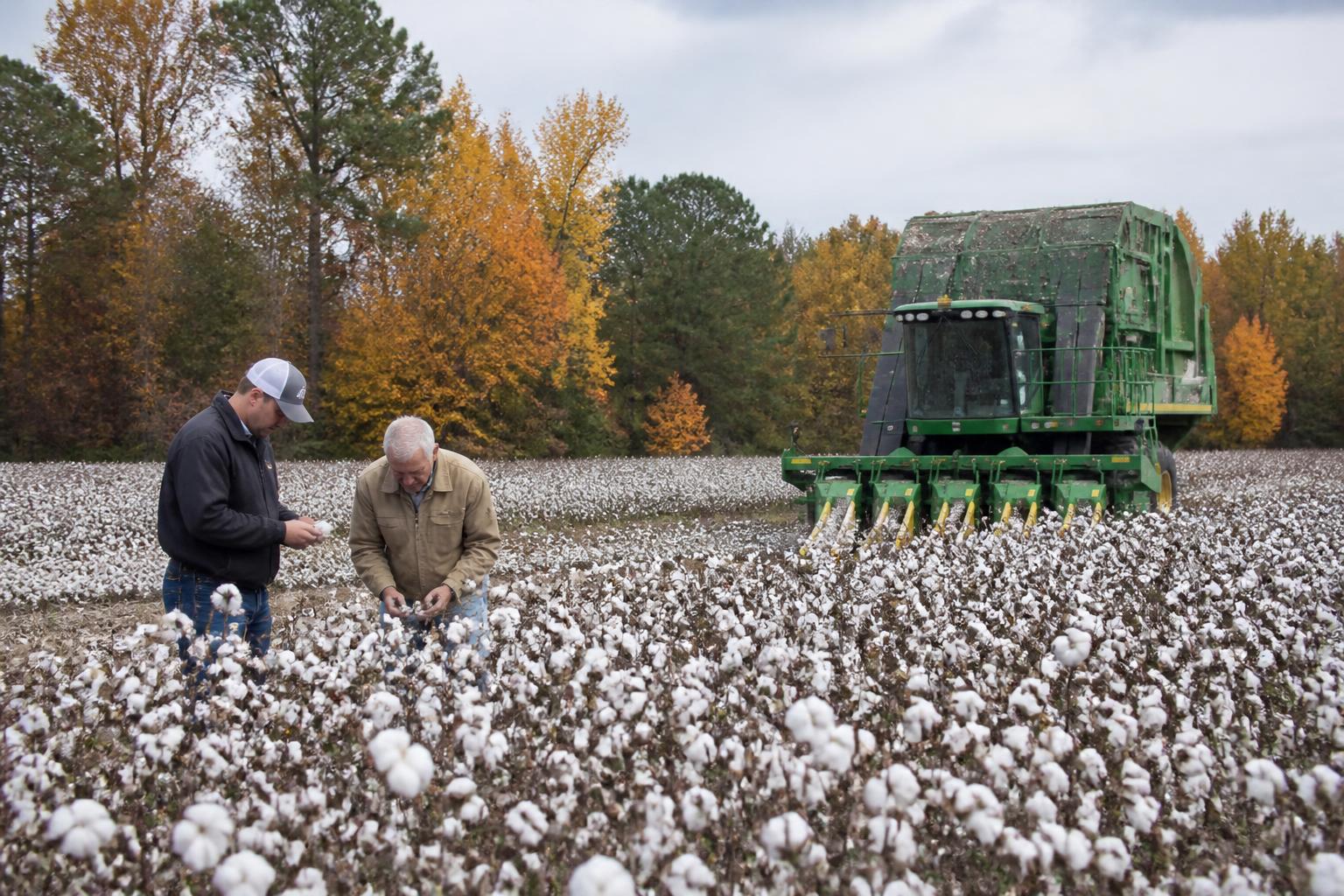
As the fall season takes hold across North Carolina, growers are shifting their focus toward harvest operations, navigating an environment marked by shifting environmental and economic variables. While producers prepare their equipment for a busy stretch, localized reports indicate that moisture deficits remain a significant concern for many in the state, potentially affecting both yield quality and the timing of field activities.
For those managing diverse operations, the current climate highlights the necessity of proactive resource management. From adjusting field sampling protocols to ensuring efficient transportation flows, staying ahead of seasonal bottlenecks is becoming increasingly vital. Producers are encouraged to evaluate their input management strategies carefully, particularly as regional conditions continue to evolve throughout the harvest window.
Managing Field and Logistics Variables
The agricultural landscape in North Carolina is often defined by its need for precision, especially when soil moisture is limited. Growers should be mindful of how these conditions might influence the efficiency of their harvest, as dry soil can affect everything from combine performance to the overall logistics of clearing bins. Efficient seasonal transit planning remains critical to ensure that grain and other harvested commodities move smoothly from the field to local storage or market destinations.
Furthermore, producers are increasingly looking for ways to add value to their operations. The integration of advanced nutrient sampling guidelines and the exploration of new market opportunities, such as those related to low-carbon biofuels, are becoming important considerations for long-term viability. As operations scale, balancing labor availability with automation and policy changes remains a key theme for agribusinesses across the state.
Strategic Planning for a Challenging Season
While the focus is currently on the immediate harvest, producers should also monitor broader trends that could impact their bottom line. Supply chain pressures and the fluctuating cost of inputs remain consistent factors in agricultural planning. Staying informed about shifting field conditions and regional traffic flows can help mitigate unexpected disruptions as harvest volume increases.
What it means for the market: North Carolina agriculture enters the fall with high operational demands. While environmental stressors continue to challenge production, growers who emphasize efficient logistics and adaptive management practices are better positioned to navigate the volatility typical of this time of year. Keeping a close watch on regional infrastructure capacity will be essential for maintaining a steady flow of commodities through the supply chain.
Comments
No comments yet - be the first to share your take.