
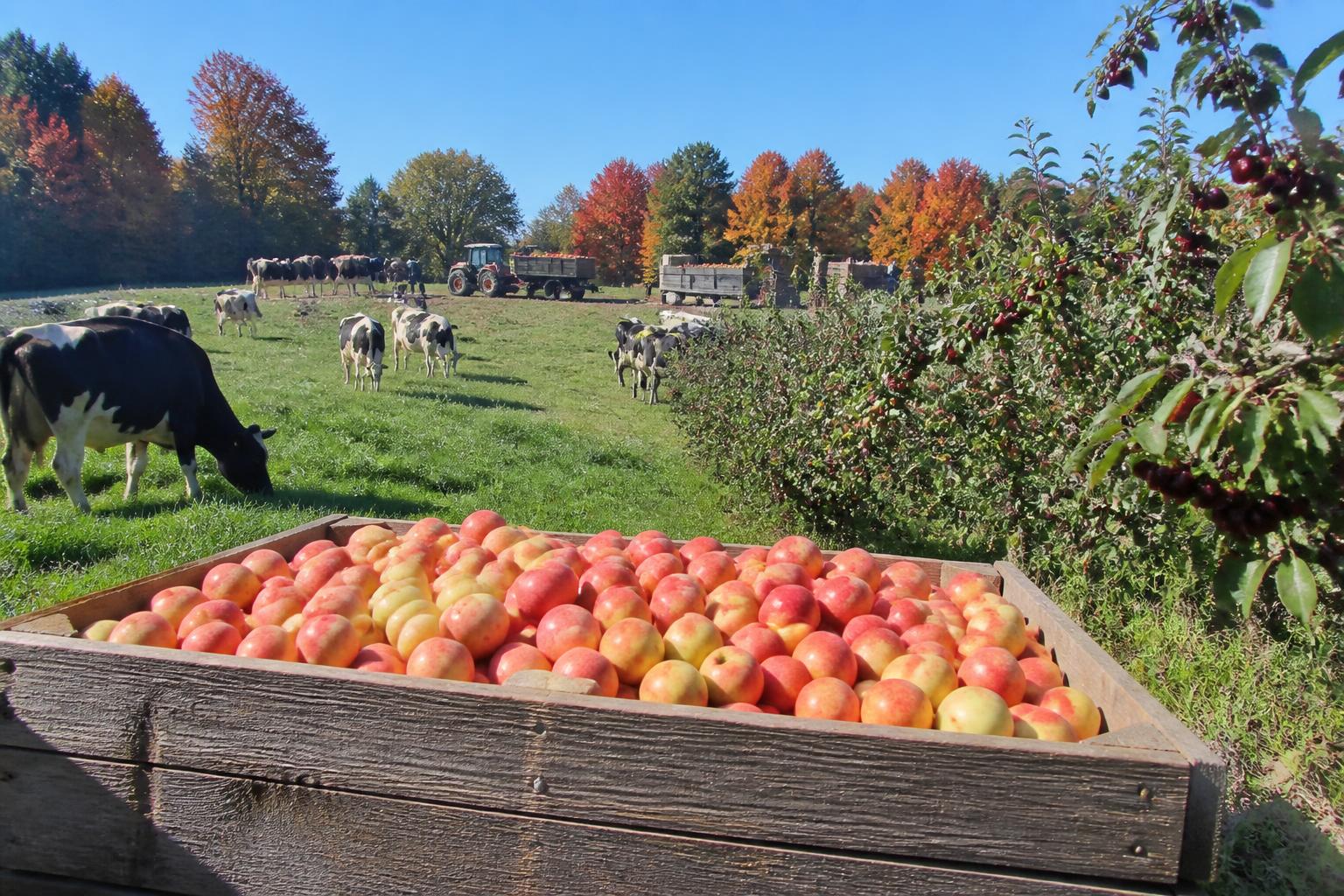
As Michigan fields move into the peak harvest window, local producers and grain handlers are balancing the pressures of seasonal crop movement against a complex landscape of logistics and supply chain variables. For those managing the flow of commodities from counties across the Lower Peninsula to regional hubs, efficient planning remains the cornerstone of maintaining margins during this busy season.
Transportation remains a high-stakes component of the annual cycle, especially as external market pressures influence input costs and equipment accessibility. Understanding local logistics nuances, such as navigating Michigan fall transport strategies, can often help mitigate the friction caused by limited rail and trucking capacity during peak periods. Producers are encouraged to evaluate their regional grain storage and delivery routes early to avoid potential bottlenecks at elevator sites.
Optimizing Logistics for the Fall Surge
Infrastructure and labor availability continue to be primary focus areas for the state's agribusiness sector. With federal and state-level initiatives aiming to support safety and rural infrastructure improvements, many operators are looking at long-term investments to streamline their operations. For smaller, family-run enterprises, collaborating on labor solutions and resource sharing is becoming an increasingly common tactic to manage the overhead costs associated with harvest-time demands.
Input Management and Asset Utilization
While the focus is currently on harvest, strategic planning for the post-harvest period is already on the minds of many agricultural stakeholders. Just as efficient crop movement is vital, so is the proactive management of input resources. For instance, considering optimized fall fertilizer application can provide a significant advantage in preparing fields for the coming cycle, helping to stabilize operational costs despite broader market volatility.
What it means for the market
The Michigan agricultural market is currently defined by a need for agility. With ongoing challenges in logistics and commodity pricing, the most successful operations are those that leverage local infrastructure, invest in collaborative labor and transport solutions, and maintain a disciplined approach to both harvesting and input procurement. Staying informed on regional infrastructure developments and managing storage capacity effectively will be essential for navigating the weeks ahead.
Comments
No comments yet - be the first to share your take.