
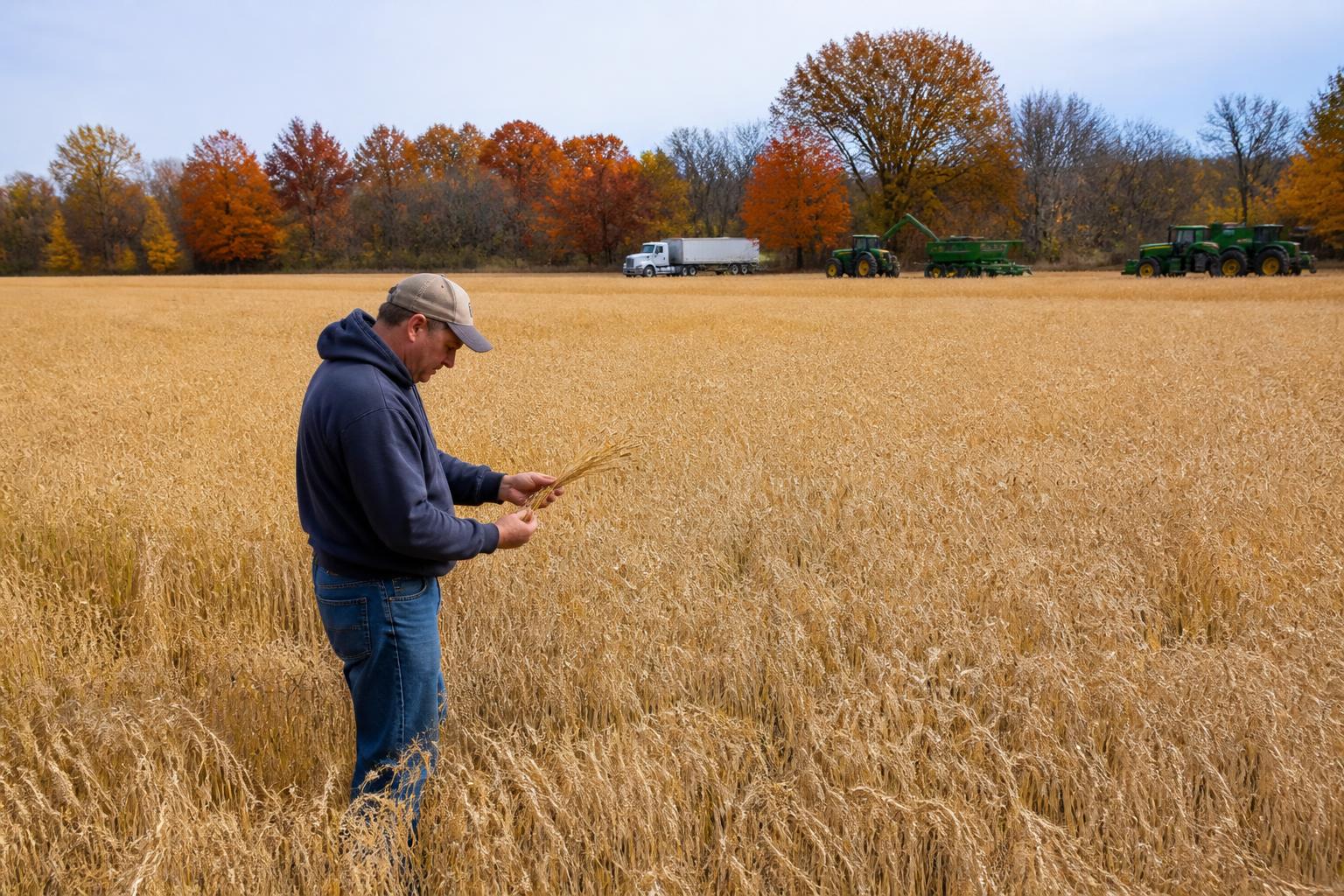
As the fall season progresses, Kansas farmers and agribusinesses are navigating a critical period of logistics and infrastructure adjustment. The intersection of peak harvest pressure and the movement of grain commodities requires careful planning, particularly as rail networks continue to undergo essential maintenance and upgrades. With recent state-level investments aimed at bolstering rural rail connectivity, producers and grain handlers may find improved, albeit evolving, avenues for moving supply to market.
Efficient grain logistics management remains a primary focus as volume increases across the Sunflower State. For many, this involves balancing storage capacity at local elevators with the availability of rail cars. While infrastructure projects can occasionally cause temporary bottlenecks, the long-term focus on strengthening the rail network is intended to support the reliable transport of wheat, corn, and milo, which are central to the state's agricultural export profile.
Adapting to Infrastructure and Supply Flux
The current landscape in Kansas is defined by both localized efficiency and broader supply chain variables. Farmers focusing on grain infrastructure expansion have been better positioned to navigate the seasonal surge, allowing for more flexibility when transport capacity fluctuates. Furthermore, as the industry observes shifts in grain commodity leadership, regional handlers are encouraged to remain updated on order fulfillment metrics and transport timelines to avoid downstream delays during the busiest months of the year.
It is also a period where secondary logistical factors come into play. While the main focus remains on grain movement, the broader agricultural supply chain in Kansas is sensitive to external shocks. Producers are increasingly monitoring input availability and costs, as global geopolitical events can ripple through fertilizer and energy markets, ultimately affecting on-farm operational budgets and regional grain logistics strategies during the critical harvest window.
What it means for the market
For Kansas operators, the combination of proactive infrastructure investment and shifting global trade dynamics underscores a need for diversified transport planning. Staying ahead of potential rail car shortages and utilizing local storage to bridge periods of tight transport capacity will be key to maximizing seasonal returns. As the state moves further into the fall, those who align their delivery schedules with regional rail service updates and maximize on-farm storage efficiency will likely be the best prepared for the ongoing harvest cycle.
Comments
No comments yet - be the first to share your take.