
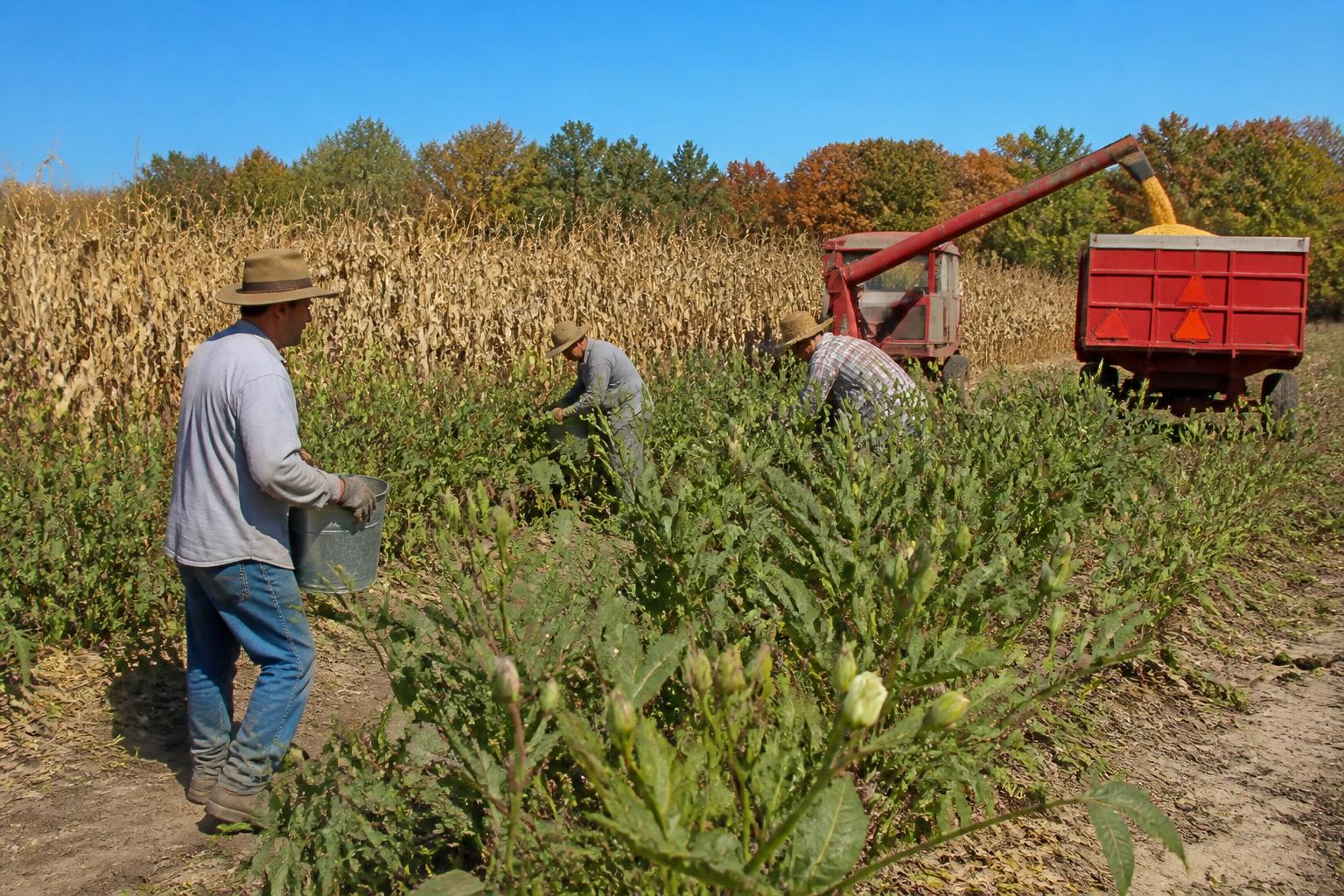
As the fall season takes hold across Florida, agricultural producers and logistics operators are closely monitoring the flow of goods moving through the state's corridors. The shift in seasonal output, from specialized crops to the handling of essential inputs, requires a resilient supply chain strategy. Growers in key production regions are increasingly focused on efficiency as they navigate the complexities of regional distribution and the broader Florida grain market outlook, which continues to adapt to changing supply dynamics.
Adapting to Transport Pressures
The state's agricultural transport network remains under consistent pressure to remain responsive to market shifts. Whether moving fresh produce or managing the logistical requirements for critical farm inputs like agricultural limestone, the capacity to pivot is vital. Carriers operating in the region are often tasked with balancing localized demand with the intermodal capabilities needed to connect Florida's farms to wider domestic markets.
Building Operational Resilience
For many agribusinesses, the current environment encourages a deeper integration of planning and resource management. Industry reports indicate that adapting crop varieties and operational practices to meet changing environmental and market conditions is becoming a standard feature of modern farm management. Furthermore, the consolidation of logistics providers across the region suggests a trend toward more specialized and technically equipped fleet operations, aimed at ensuring cargo integrity and timely delivery during peak harvest windows.
What it means for the market
For Florida farmers and handlers, the current logistics landscape underscores the necessity of proactive coordination. As the season progresses, maintaining close communication with carriers and monitoring intermodal routes will be essential for managing overhead and ensuring that produce and inputs move efficiently through the state's infrastructure.
Comments
No comments yet - be the first to share your take.