
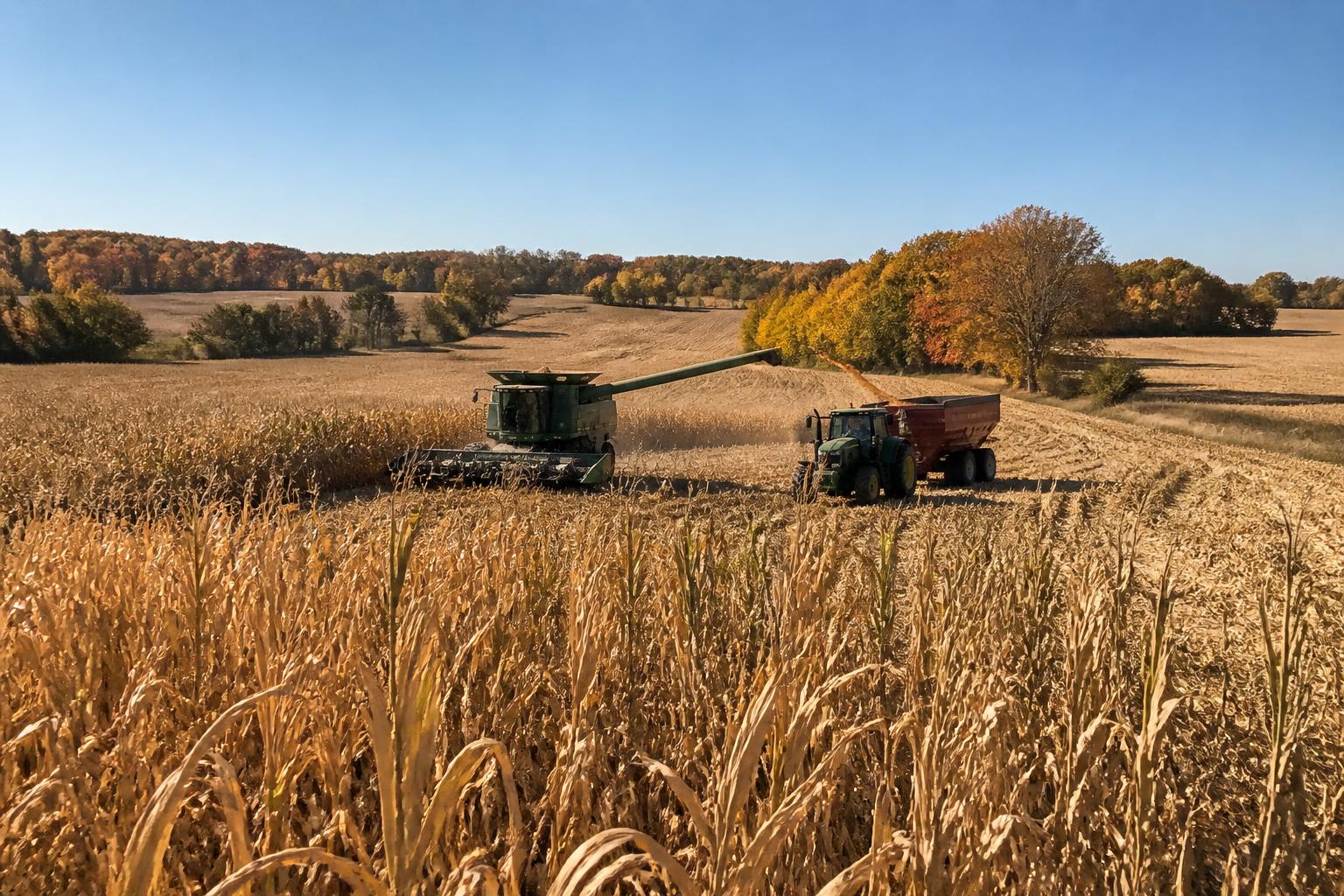
As the fall harvest season gathers momentum across Maryland, land conservation efforts are surfacing as a vital component of the state's long-term agricultural strategy. Recent initiatives in Talbot County have resulted in the permanent protection of over 150 acres near Oxford, signaling a continued commitment to maintaining the rural landscape of the Eastern Shore. For many producers, these protective measures offer a framework for long-term viability, especially as the industry balances modern production demands with the need for environmental resilience.
Stewardship in a Changing Environment
Maryland farmers are increasingly adopting innovative soil health and agroforestry practices to mitigate the challenges posed by environmental pressures. With rising sea levels and saltwater intrusion affecting some coastal fields, producers are looking closely at how stewardship and nutrient management play a role in maintaining field productivity. These conservation efforts often go hand-in-hand with state-supported grants designed to foster ecological health while ensuring that active farmland remains in production for future generations.
Refining Operational Efficiency
The current season brings a focus on post-harvest planning, which is often a critical period for assessing equipment maintenance and future soil health applications. As growers wrap up their seasonal operations, the emphasis shifts toward evaluating the yield potential and logistics efficiency observed throughout the year. Efficient handling and storage remain top priorities, particularly as the industry continues to navigate the complexities of moving crops through regional transit corridors.
What it means for the market
For grain handlers and local agribusinesses, the intersection of land preservation and operational efficiency underscores a broader trend toward stable, sustainable farming systems in Maryland. While immediate market attention remains fixed on the ongoing harvest logistics and the challenges of late-season movement, the long-term protection of prime acreage suggests a regional focus on maintaining consistent productive capacity. Producers should continue to monitor local policy updates and conservation opportunities that may impact land use flexibility and long-term input planning.
Comments
No comments yet - be the first to share your take.