
Navigating Fall Harvest Logistics
As the fall season progresses across Louisiana, producers in regions like the Mississippi Delta and the sugar-producing parishes are focusing on the dual challenges of maximizing harvest yields and managing crop security. The current window requires efficient movement of grain and other commodities toward local storage and export hubs, emphasizing the need for robust logistics and transportation networks. Producers are closely monitoring the state of rural highways and primary transit corridors to ensure that harvest equipment and heavy haulers remain within compliance as the volume of traffic increases.
Integrated Approaches to Crop Protection
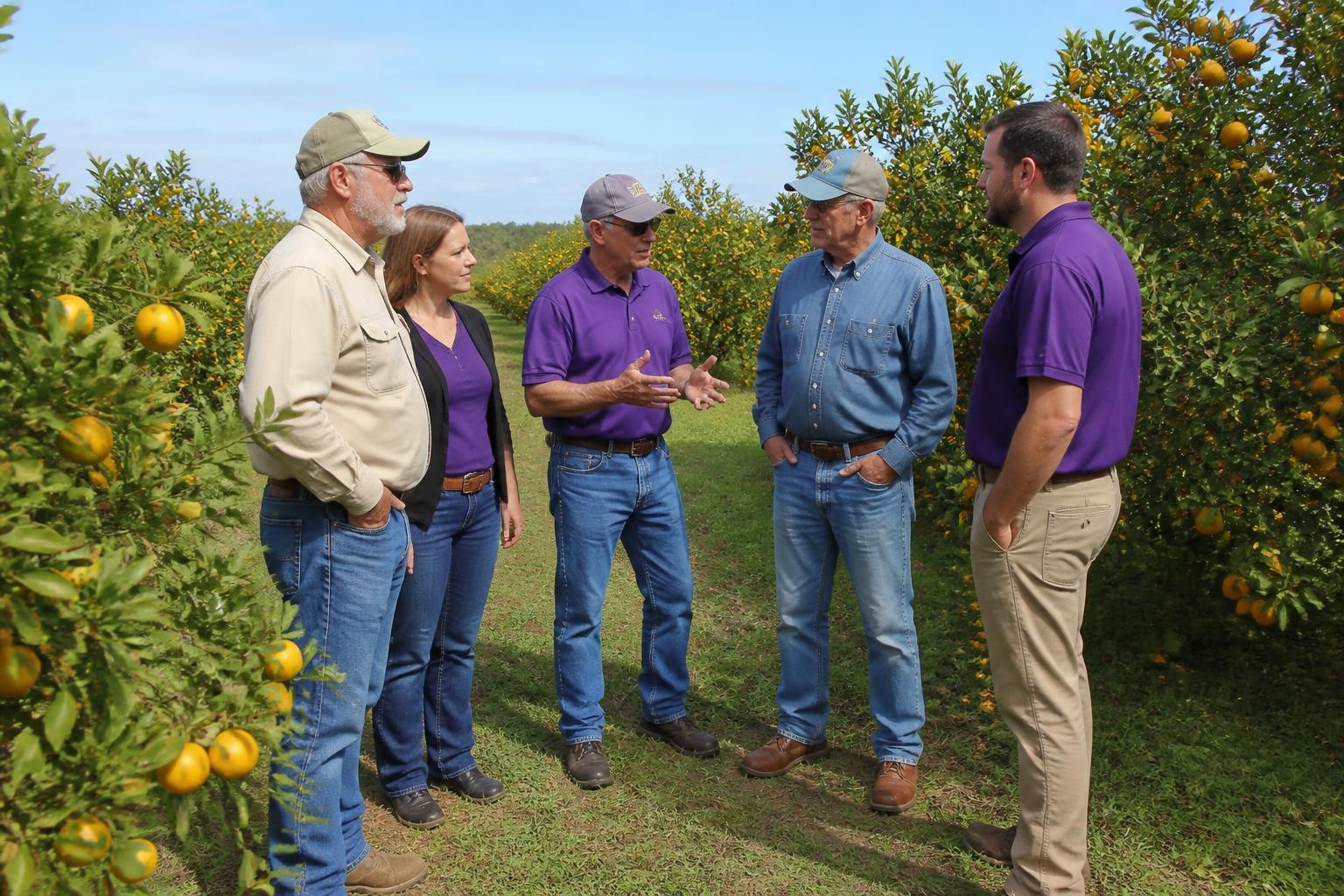
Protecting the investment in the field remains a top priority throughout the final growth and harvest stages. Managing persistent pressures from local wildlife and environmental stressors requires a proactive strategy that integrates traditional mitigation techniques with updated crop protection measures. Whether addressing feral hog encroachment or managing the specific health needs of specialty crops like citrus, farmers are working alongside regional agricultural extensions to identify sustainable, site-specific solutions that maintain both output quality and long-term land productivity.
Market Stability and Inputs
The broader agricultural economy in Louisiana is also being influenced by shifts in the input sector, particularly regarding fertilizer availability and sourcing. Strategic initiatives aimed at bolstering domestic supply chains have become a significant point of discussion for local agribusinesses aiming to insulate their operations against global price volatility. As producers finalize their end-of-year planning, the alignment of high-quality inputs with resilient infrastructure serves as the backbone for maintaining competitive parity in the broader U.S. market.
What it means for the market
For Louisiana farmers and handlers, the current period underscores the importance of supply chain agility. By coordinating harvest schedules with reliable input access and prioritizing the maintenance of storage and transit assets, producers can better mitigate the localized disruptions that often accompany the peak harvest season. Sustained attention to infrastructure and integrated protection strategies will be essential for navigating the remainder of the year successfully.
Comments
No comments yet - be the first to share your take.