
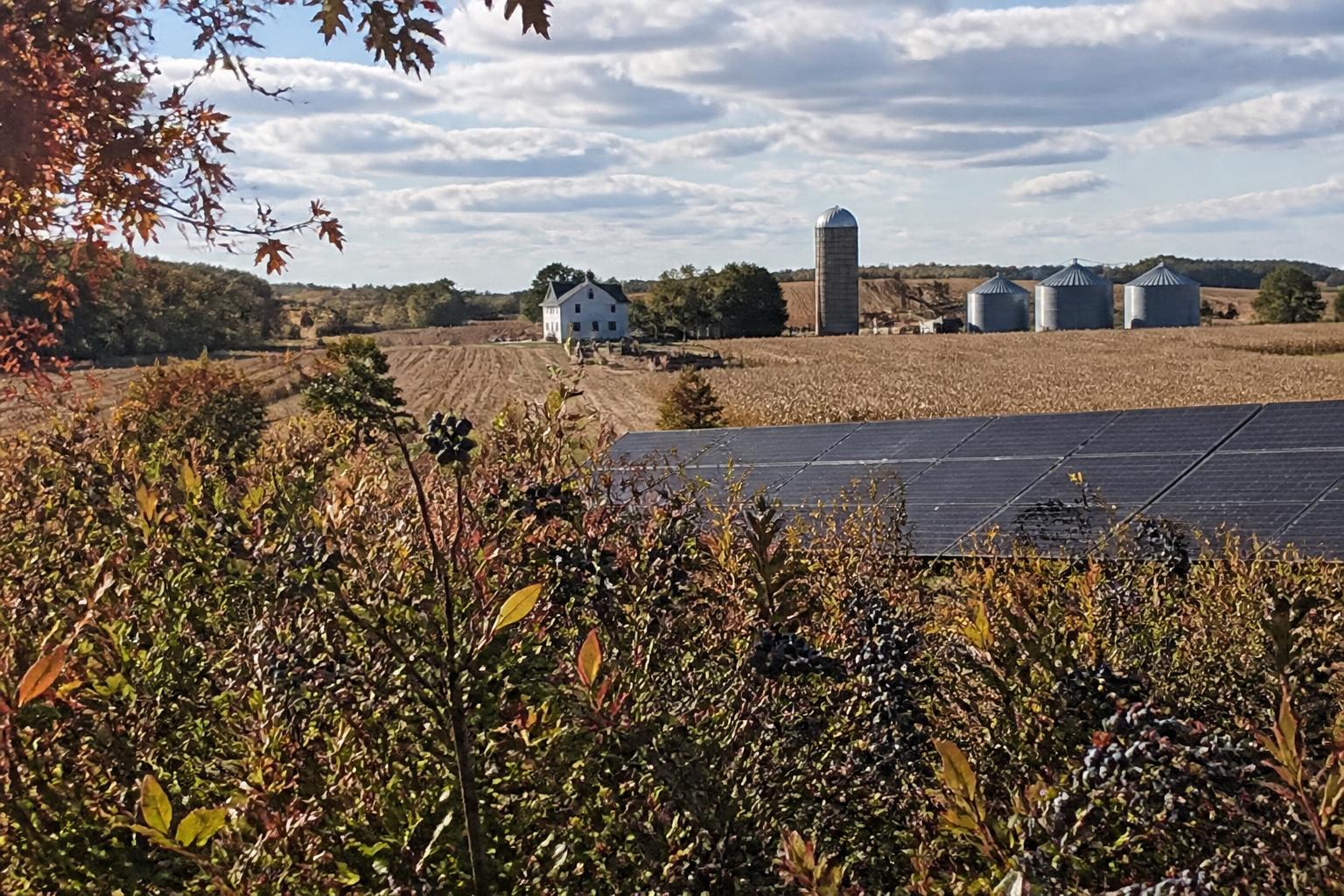
As the fall harvest season gathers pace across Maine, regional grain producers are turning their attention to the essential task of storage preparation. Ensuring that grain bins are fully operational and clean is a critical step in preserving the quality of this year's crop and maximizing potential market returns.
Prioritizing Infrastructure Maintenance
With farm asset management remaining a top priority, farmers should avoid skimping on bin maintenance. Thoroughly inspecting structures for leaks, pest entry points, and ventilation efficiency can significantly reduce the risk of spoilage. For many operators, the focus remains on keeping moisture levels consistent to maintain storage integrity through the winter months.
Navigating Regional Production Trends
While some regional reports indicate yield variations for corn and soybeans throughout the Northeast, Maine farmers are focusing on operational efficiency. The integration of modern practices, such as strategic harvest planning, helps mitigate the impact of broader market volatility and rising input costs, including the price of diesel fuel. Maintaining accurate records of grain movement is also advised for those managing diverse small-grain portfolios.
Monitoring Field Conditions
As harvest teams head into the fields, they may notice varied maturity stages across different plots. Observing local conditions, such as potential wildlife pressure from deer, remains a part of routine field scouting. For those looking to optimize their logistics, utilizing simple tools to measure harvest loss can provide actionable data for adjusting equipment settings in real-time, as detailed in recent strategies for optimizing harvest workflows.
What it means for the market
For Maine agribusinesses and grain handlers, the current period represents a vital window to ensure that post-harvest logistics are streamlined. By proactively addressing storage readiness and equipment calibration now, producers can better protect their margins and ensure that high-quality grain is ready for both local supply chains and broader market opportunities.
Comments
No comments yet - be the first to share your take.