
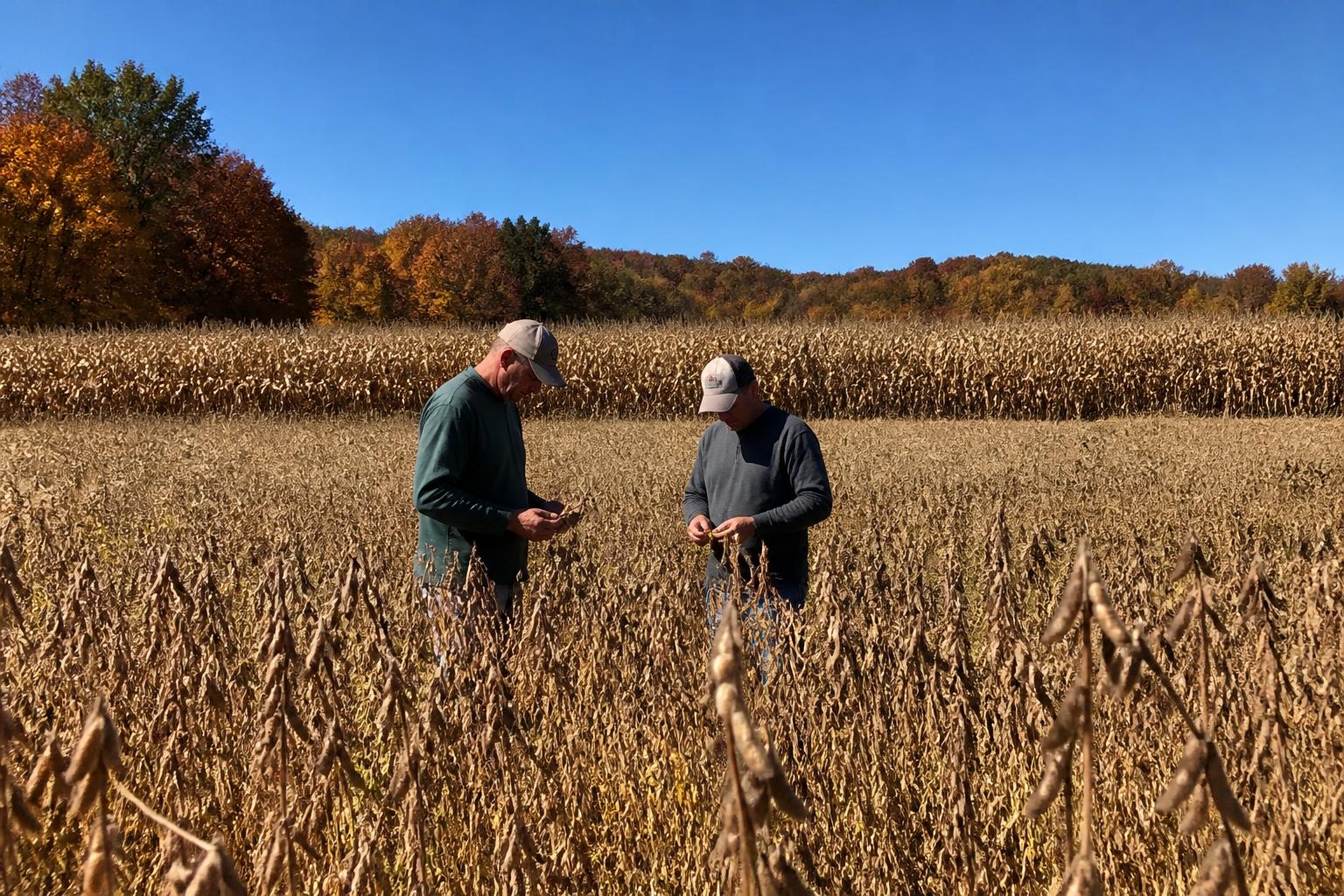
As the fall harvest momentum builds across Kentucky, agricultural producers are navigating a shifting landscape defined by both field-level operational pressure and an increasing focus on regulatory compliance. With the state's grain infrastructure working to accommodate incoming grain harvest logistics, producers are balancing the race against seasonal weather patterns with heightened administrative oversight.
Recent federal investigations involving crop insurance fraud in the tobacco sector have served as a stark reminder of the importance of precise record-keeping and regulatory adherence. For many farmers, this underscores the necessity of maintaining transparent documentation throughout the planting and harvesting cycles to protect their operations from potential audit risks.
Water Quality and Infrastructure Oversight
Beyond traditional crop reporting, the state has placed a renewed focus on environmental stewardship. As we move through September, operators of farm or forest land exceeding ten acres are encouraged to review and update their agriculture water quality plans. Ensuring that these plans remain current is not only a regulatory expectation but a proactive step in shielding farm operations from environmental liability as runoff patterns change during the fall transition.
This heightened oversight arrives at a critical juncture for Kentucky grain producers, who are currently monitoring fields to gauge the final impact of the growing season on overall output quality and volume.
Adaptation in the Face of Evolving Regulations
The agricultural sector is also facing broader systemic shifts, ranging from discussions on hemp product regulations in Congress to research-led defenses against evolving pest pressures like armyworms. Staying informed on these legislative and scientific developments allows producers to adjust their management strategies, whether that means shifting crop rotation patterns or integrating new pest-management technologies into their existing programs.
What it means for the market
For Kentucky agribusinesses and grain handlers, the current environment suggests a period of transition where risk management is as vital as physical logistics. Farmers who proactively address compliance issues, such as updating water quality plans and ensuring accurate insurance filings, are better positioned to weather potential disruptions. As market conditions continue to develop throughout the harvest, a commitment to operational transparency will likely become a key differentiator for successful farm businesses in the region.
Comments
No comments yet - be the first to share your take.