
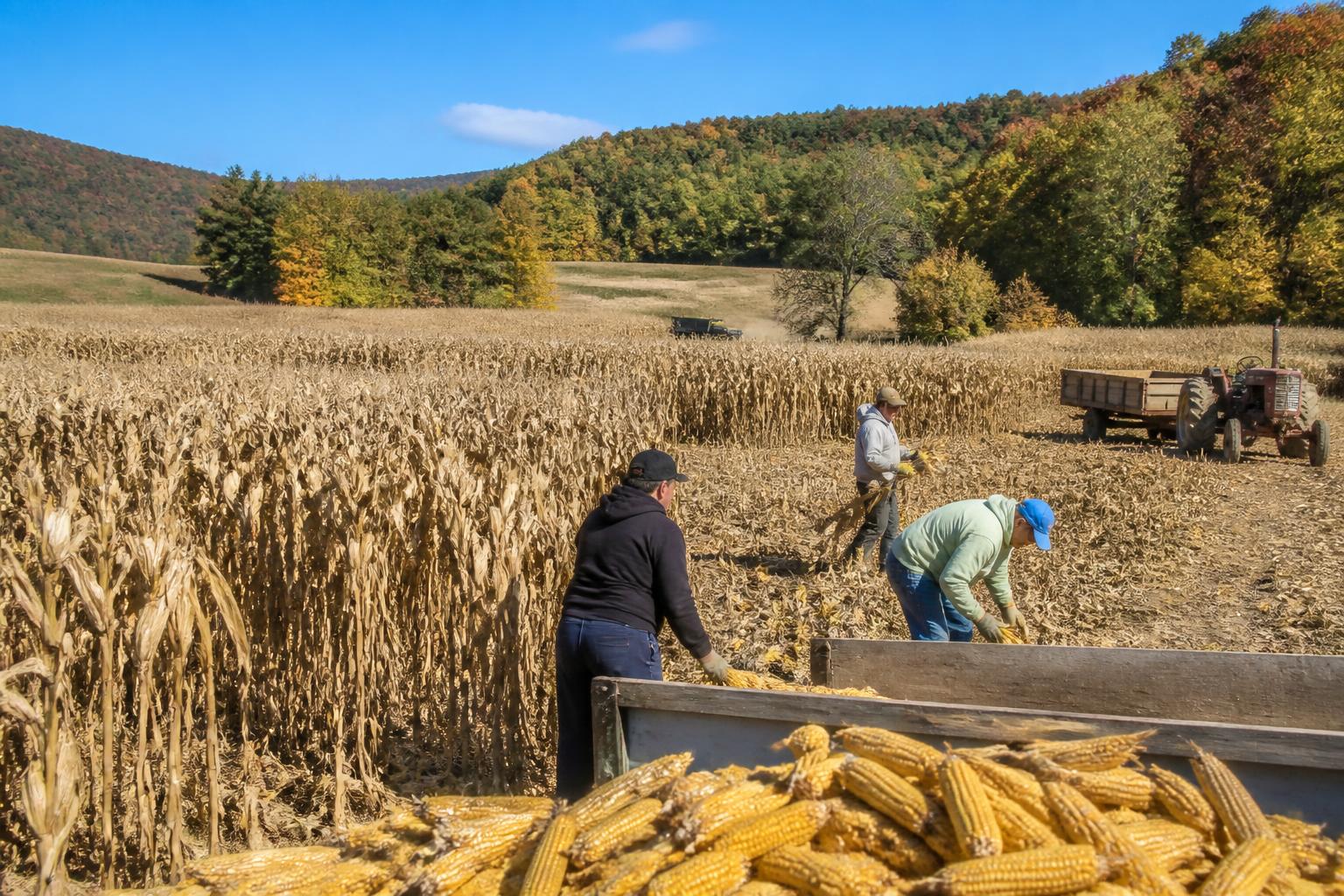
In the unique agricultural landscape of Alaska, the tail end of the season brings both abundance and distinct challenges. Farmers working in the Land of the Midnight Sun often deal with rapid growth cycles that can make traditional crop management complex. As producers transition through the final stages of the harvest, integrating effective, low-impact protection strategies becomes essential for maintaining the integrity of high-value vegetable crops.
Leveraging Advanced Biological Inputs
As growers refine their seasonal workflows, there is increasing interest in the role of biological compounds to enhance current pest management programs. Recent industry observations suggest that incorporating specialized extracts, such as neem seed derivatives, may improve the efficacy of existing pesticide applications. For those managing smaller-scale or greenhouse operations, these additives are increasingly viewed as a practical way to boost protection without relying solely on synthetic chemicals.
Understanding these developments is crucial for managing seasonal crop protection pressures in Alaska, particularly as environmental conditions shift. Growers are also paying close attention to strengthening Alaska's biosecurity measures as harvest season peaks to ensure that stored inventory remains secure from late-season pests and environmental degradation.
Logistics and Market Preparation
Beyond the field, the logistics of transport remain a constant consideration for Alaskan agribusinesses. Given the state's geography and the dependence on reliable transit corridors, monitoring regional road conditions and maritime routes is vital. While farmers focus on maximizing yield, securing the supply chain for inputs—ranging from biological boosters to protective storage materials—should remain a top priority to mitigate any potential disruptions during the final weeks of activity.
What it means for the market
For Alaskan producers, the focus remains on quality and consistency. By adopting a more proactive approach to crop protection and keeping a close watch on input efficiency, farmers can better manage the inherent risks of a short, intense growing season. Staying informed on the latest agricultural advancements allows for more agile decision-making, ensuring that the harvest reaches its destination in optimal condition, regardless of external market volatility.
Comments
No comments yet - be the first to share your take.