
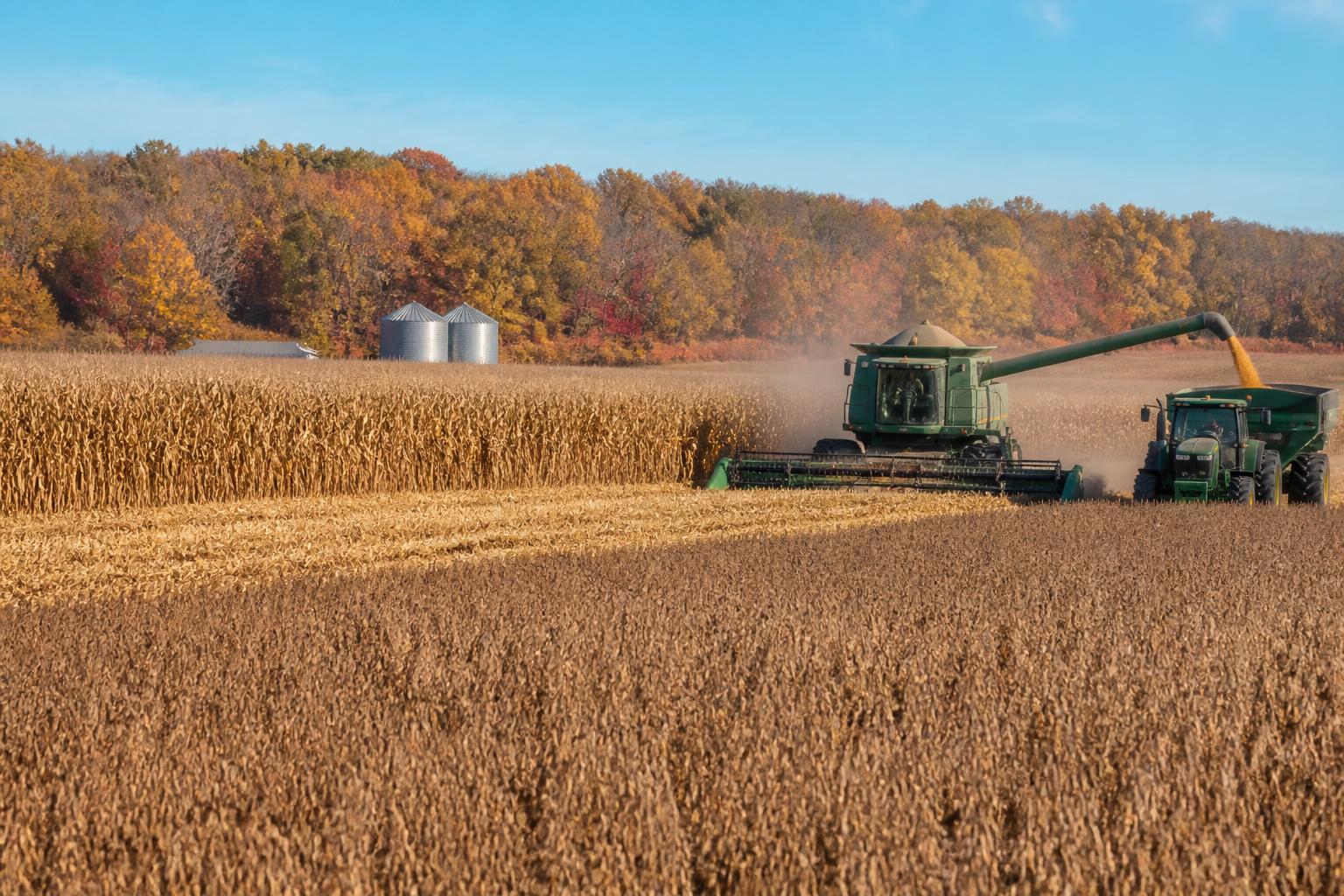
As harvest activity begins to pick up across Delaware, local producers are entering a period defined by both regional opportunity and global uncertainty. Market participants, from family farms in Sussex County to regional grain handlers, are currently recalibrating their expectations as fall conditions set the stage for this year's movement of corn and soybean crops. Staying informed on grain market volatility remains a top priority for those looking to protect margins in a fluctuating commodity environment.
Input Costs and Logistics Coordination
The agricultural sector continues to navigate complex supply chain dynamics. With ongoing global geopolitical tensions influencing inputs, farmers are paying close attention to cost management strategies. For many Delaware agribusinesses, coordinating the timely flow of grain from field to elevator is critical, especially when fuel costs and equipment availability impact overall profitability. It is essential to ensure that your local grain market strategy is aligned with regional storage capacity and transportation logistics throughout the harvest window.
Strategic Planning for the Season Ahead
Beyond immediate harvest needs, growers are increasingly looking at long-term resilience through technology and input optimization. As global supply chains remain sensitive to external shocks, balancing immediate expenses with long-term field productivity can help mitigate some of the broader market pressures that influence local pricing. Utilizing reliable data and maintaining close communication with local cooperatives often provides the best defense against unexpected market swings during the busy fall months.
What it means for the market
For Delaware farmers and industry stakeholders, this season calls for a disciplined approach to inventory management. By monitoring local basis levels and maintaining awareness of broader trade headwinds, producers can better position themselves to navigate the volatility currently seen in the corn and soybean sectors. Preparing for potential logistical bottlenecks now will likely save significant time and resources as the harvest matures.
Comments
No comments yet - be the first to share your take.