
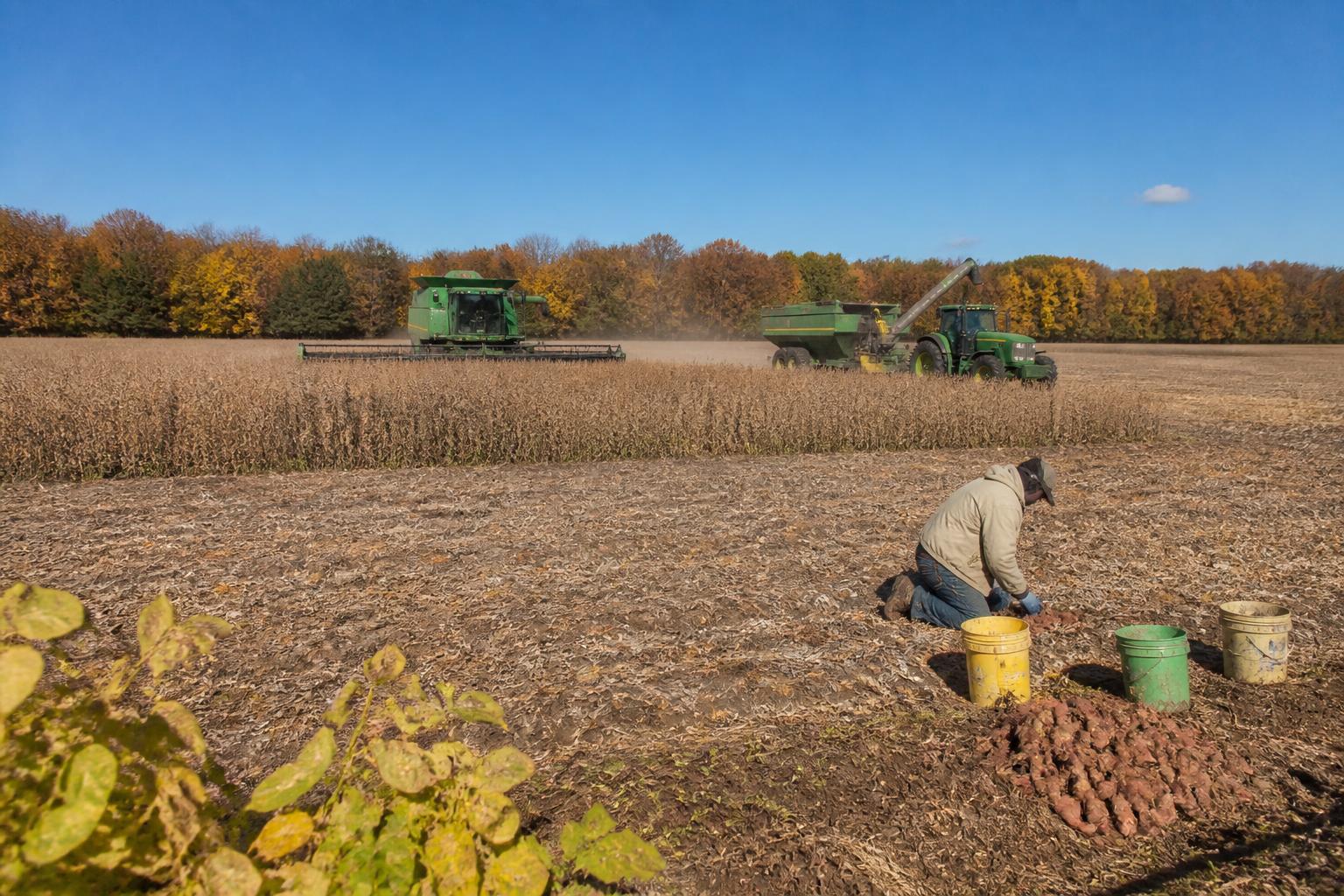
As the fall harvest gains momentum across the state, Louisiana farmers are evaluating the broader economic landscape that continues to shape their operations. From the fertile fields of the Red River Valley to the productive landscapes of St. Landry Parish, the pressure to maintain profitability remains paramount. Recent developments in the Louisiana fertilizer market highlight an ongoing industry push to optimize input availability and stabilize costs through new strategic joint ventures, offering a potential path forward for producers facing compressed margins.
Operational efficiency on the farm is increasingly linked to broader logistical considerations. For many in the state, securing reliable transit for inputs and outgoing commodities is a constant exercise in risk management. This is particularly relevant as Louisiana grain logistics face seasonal bottlenecks. With combines now active, regional elevators and storage facilities are under pressure to manage the flow of grain, a process that relies heavily on the resilience of our state's road and rail infrastructure.
Managing Risk in a Challenging Season
Market analysts note that the current environment requires a multifaceted approach to risk mitigation. While some producers have benefited from research-backed advancements in crop yields, external factors such as fluctuating fuel prices and the instability of smaller regional trucking carriers can impact bottom lines. For those looking to protect their investment, discussions regarding expanded crop protection strategies and insurance accessibility remain top of mind. Producers are encouraged to evaluate their storage and transport contracts early, as capacity in local facilities can shift rapidly during peak harvest windows.
What it means for the market
For Louisiana agribusinesses and producers, the current season underscores the necessity of proactive planning. As logistics remain the backbone of the state's agricultural output, keeping a close watch on regional supply chain shifts—ranging from fertilizer accessibility to local transport capacity—is essential to navigating the remaining harvest weeks. Strengthening partnerships with reliable local providers and staying informed on infrastructure capacity will be critical for those looking to maintain stability in a volatile market.
Comments
No comments yet - be the first to share your take.