
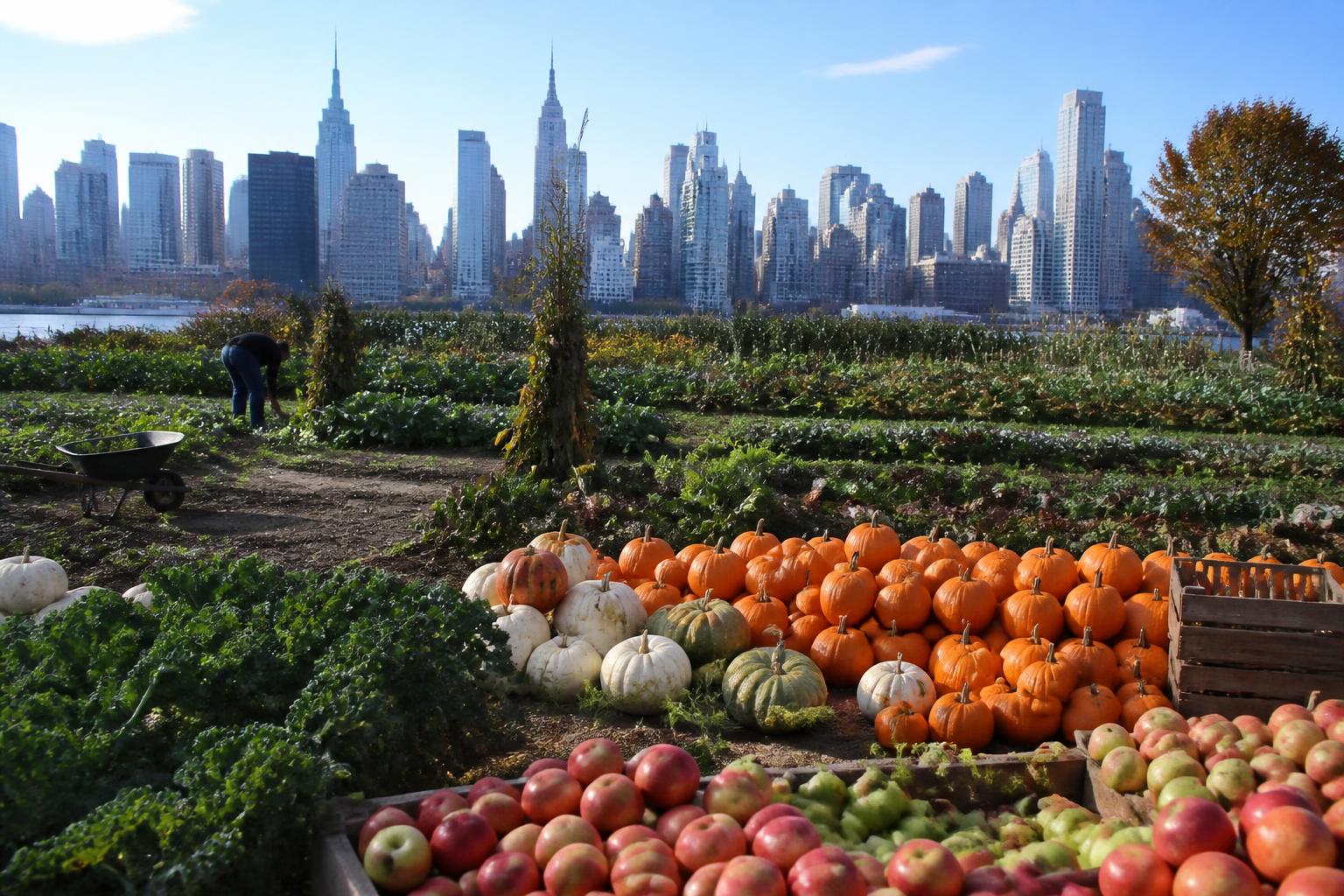
As New York farmers move deeper into the fall season, the focus shifts toward optimizing harvest logistics and managing the movement of grains across the state. With field activities accelerating, producers are keeping a close eye on their supply chain readiness to ensure that local harvest outcomes remain resilient amidst broader market pressures.
Efficient grain management strategies are increasingly vital as regional operations look to streamline transport and storage. Whether moving corn, soybeans, or exploring emerging perennial grain varieties, the ability to coordinate trucking and elevator capacity during peak harvest windows can significantly influence profitability for New York agribusinesses.
Adapting to Evolving Supply Chain Realities
The agricultural landscape in New York continues to evolve, with producers balancing traditional commodity production against the need for more agile distribution methods. Current market conditions, including fluctuating input costs and shifting trade dynamics, often require farmers to be more precise in their logistical planning. Many operations are reassessing their reliance on established transport routes and exploring new ways to mitigate bottlenecks that can emerge as harvest volume climbs.
Building Resilience into Local Operations
Research into diversified grain systems and sustainable food infrastructure is providing new avenues for New York farmers to consider. As the state explores the potential for perennial grains and other innovative cropping systems, the logistical infrastructure supporting these crops may need to adapt. For independent carriers and elevator operators, aligning service capacity with these shifts is essential for maintaining a competitive edge in the local market.
What it means for the market
For New York producers and logistics providers, this fall is characterized by a need for proactive planning. By focusing on reliable transport partnerships and optimizing on-farm storage, stakeholders can better navigate the logistical challenges of the harvest season while remaining prepared for potential price volatility in the broader global agricultural economy.
Comments
No comments yet - be the first to share your take.