
Managing Risk in the Final Stretch
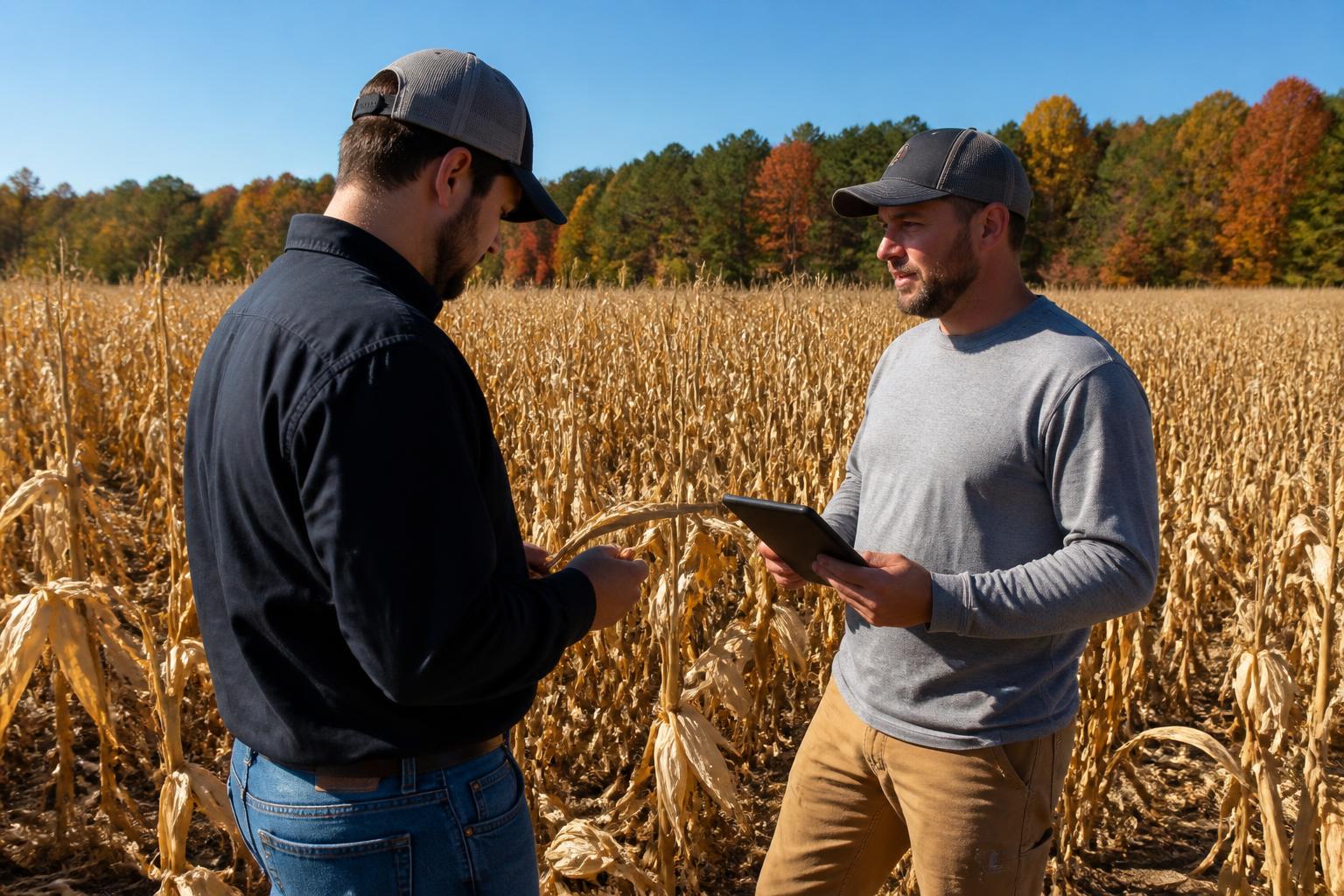
As the Alaskan agricultural season hits its critical late-stage window in September, producers are sharpening their focus on crop protection and logistics. The shift in weather patterns can quickly jeopardize hard-won yields, making the management of field exposure a primary concern for local growers across the Matanuska and Tanana valleys. Protecting crops from early frosts and wildlife remains a top priority, as detailed in our guide on managing wildlife intrusion risks as the harvest season peaks.
Input and Energy Cost Considerations
Broad market pressures, including fluctuations in global fuel and fertilizer supply chains, continue to impact operational planning for Alaskan producers. While local growers often face unique supply hurdles due to geographic isolation, the broader conversation around diesel export policies and local fertilizer reliance highlights the growing importance of securing inputs early. For those operating high-input or controlled-environment systems, these external price pressures may necessitate even tighter inventory management as we head into the colder months.
Tactical Preparation for Season End
Successful management now relies on balancing labor, machinery availability, and environmental monitoring. With the potential for sudden severe weather events, many farmers are prioritizing the hardening of storage facilities and ensuring that transportation logistics are locked in before peak demand hits the limited road networks. Maintaining a vigilant approach to biosecurity and integrated pest management through these final weeks is essential to mitigating losses that can occur right at the point of harvest.
What it means for the market
For Alaska's agribusinesses, the current environment reinforces the value of localized supply chains. As global volatility continues to influence input costs, regional producers who invest in resilient protection strategies and localized inventory buffers are better positioned to weather price instability. Staying agile during this final push of the fall season will be the defining factor for profitability as the state approaches the end of its active growing window.
Comments
No comments yet - be the first to share your take.