
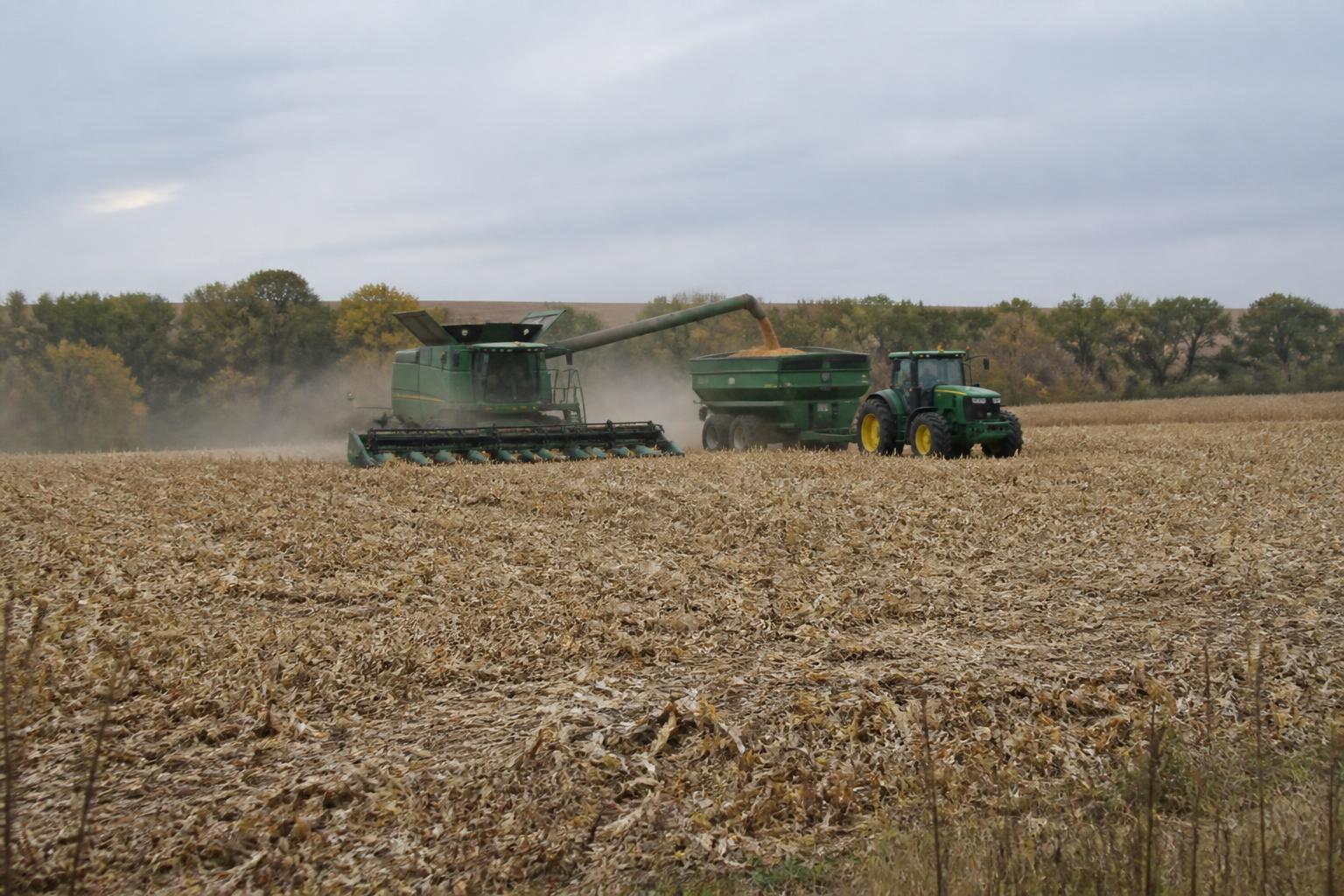
As the fall season takes hold across South Dakota, producers are shifting their focus from final crop management to the logistics of harvest and the assessment of input strategies for the coming cycles. With the harvest window opening, efficiency at the field level is more critical than ever. Many growers are currently evaluating how advancements in precision ag and soil health initiatives can stabilize margins despite the broader market pressures impacting commodity sectors.
Refining Input Strategies
Managing operational expenses remains a central challenge for many agribusinesses in the region. Recent industry discussions have emphasized the importance of balancing long-term soil health with immediate production needs. Whether navigating fluctuations in the cost of fertilizers or assessing the latest strategies for input volatility, local operators are looking for ways to streamline their overhead without compromising yield potential.
Innovations continue to play a role in how South Dakota farms approach these challenges. From adopting no-till practices to integrating IoT crop monitoring systems, the adoption of data-driven tools is increasingly common. These technologies allow managers to better track field-level performance, which is essential when external factors like energy costs and supply chain constraints create unpredictable overhead.
Logistics and Market Readiness
Beyond the field, the ability to move grain efficiently is a significant factor in seasonal profitability. As producers work through the harvest cycle, attention often turns to the infrastructure needed to maintain flow to local processors and export hubs. Balancing harvest efficiency with storage realities is a recurring theme for South Dakota elevators and carriers, especially as seasonal traffic increases on key state transport corridors.
What it means for the market: For farmers and agribusinesses, the current environment necessitates a dual focus on operational precision and logistical planning. Prioritizing efficiency in both input application and harvest logistics will remain key to navigating the competitive landscape in the months ahead.
Comments
No comments yet - be the first to share your take.