
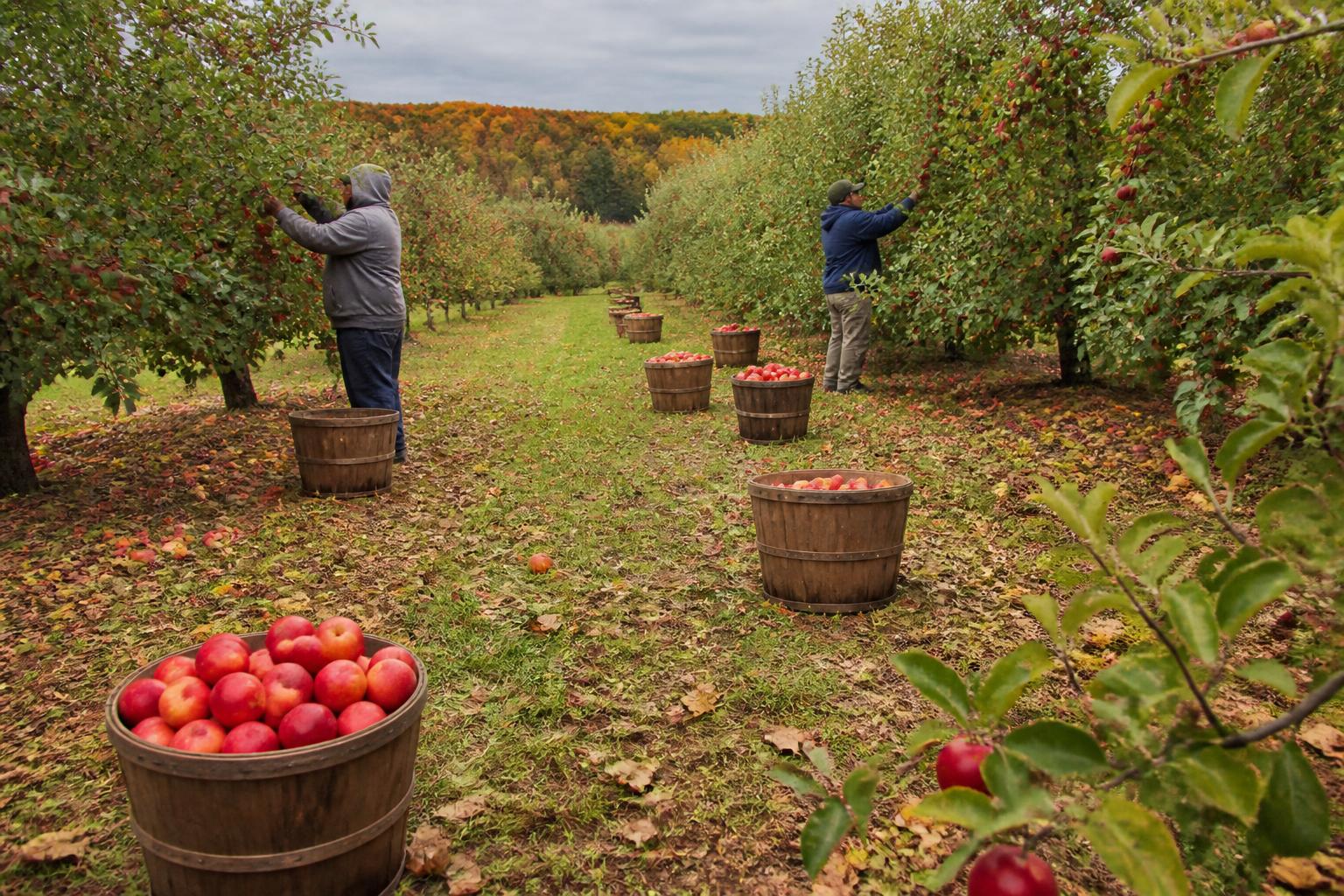
As the fall harvest season approaches in Rhode Island, producers are increasingly evaluating their nutrient management plans. With soil health becoming a focal point for long-term viability, many are assessing how diverse amendment strategies, including the integration of organic fertilizers, can influence operational efficiency across the state's agricultural corridors.
Understanding the nuances of fertilizer management is critical as growers balance input costs with regional environmental expectations. While global supply chains often dictate the availability of conventional inputs, local research is paving the way for data-driven decisions regarding soil-building practices and the adoption of sustainable production methods.
Refining Input Strategies
For those managing acreage across Washington or Newport counties, the transition into late-season planning often involves a close look at how current soil health initiatives align with market trends. Data suggests that the broader market for soil health management remains dynamic, influenced by both technological advancements and a growing interest in regenerative techniques. Producers are encouraged to consider how their choices today might affect the nutrient profile of their fields ahead of the next planting cycle.
Operational Resilience in Local Agriculture
Maintaining a competitive edge in Rhode Island requires constant adaptation to both climate shifts and shifting policy landscapes. As seen in recent regional grain market adjustments, flexibility in operational logistics is paramount. Whether dealing with nutrient runoff concerns or sourcing alternative organic manures, the current market climate rewards those who prioritize both soil longevity and precision application.
What it means for the market
The convergence of increasing regulatory oversight and the push for soil-centric farming suggests that input procurement will remain a high-stakes component of farm management. Producers should anticipate that future operational success will be tied to how effectively they can integrate sustainable, high-yield practices with the logistical constraints inherent to the Northeast's agricultural landscape.
Comments
No comments yet - be the first to share your take.