
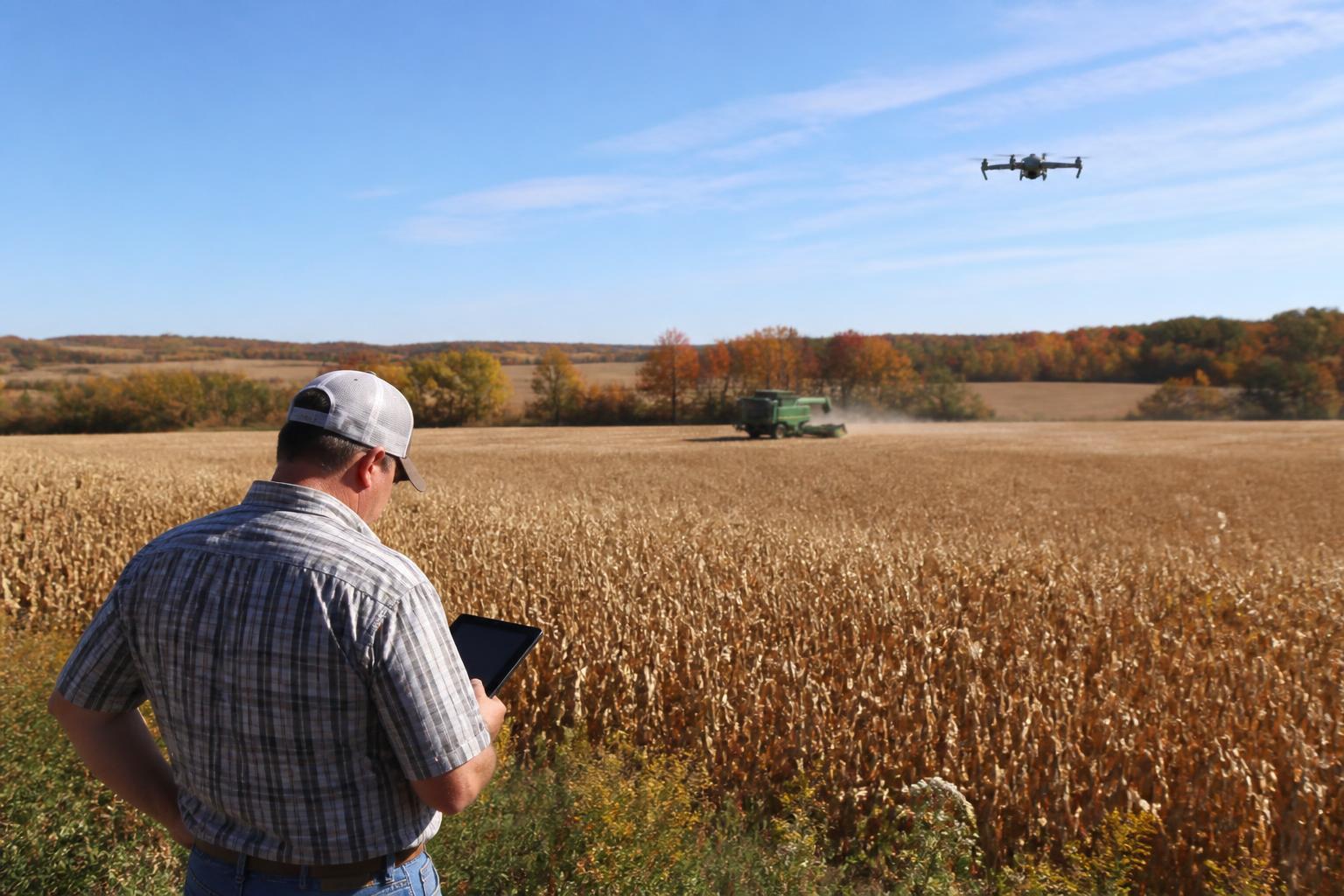
As Oklahoma agricultural producers move deeper into the fall season, the focus for many agribusinesses and farm operations has shifted toward stabilizing margins against a backdrop of increasing volatility. Rising fuel and fertilizer costs continue to be a primary concern for the state's producers, often linked to broader geopolitical instability. These localized inflationary pressures on essential inputs are forcing many to re-evaluate their input cost structures to protect long-term financial viability.
Aligning with Federal Support Programs
In response to these market pressures, the USDA has opened enrollment for key price and revenue safety net programs for the 2026 and 2027 crop years. For Oklahoma growers, this period is vital for securing necessary coverage. This cycle is particularly noteworthy as it marks the first base acre increase in two decades, offering a potential cushion for operations that have seen shifts in land use or crop viability. Producers are encouraged to coordinate closely with their local Farm Service Agency offices to ensure documentation is accurate before upcoming deadlines.
Managing Operational Risks
Beyond federal support, operational efficiency remains a key component of navigating current challenges. Many growers are adopting precision technologies, such as ag drone adoption, to optimize chemical and fertilizer application. By refining these inputs, producers may be better positioned to mitigate the impact of fluctuating commodity prices. Furthermore, ongoing discussions regarding environmental regulations and land use—including debates surrounding waste management and agricultural sustainability—continue to shape the operational landscape for many livestock and crop producers across the state.
What it means for the market
For grain handlers and input suppliers, the next several weeks are critical for aligning supply chains with producer demand. As growers look to lock in fall inputs while navigating margin volatility, transparency in pricing and timely communication regarding logistics will be paramount. With harvest activities ramping up, proactive engagement with logistics and planning will remain the best defense against unforeseen operational bottlenecks.
Comments
No comments yet - be the first to share your take.