
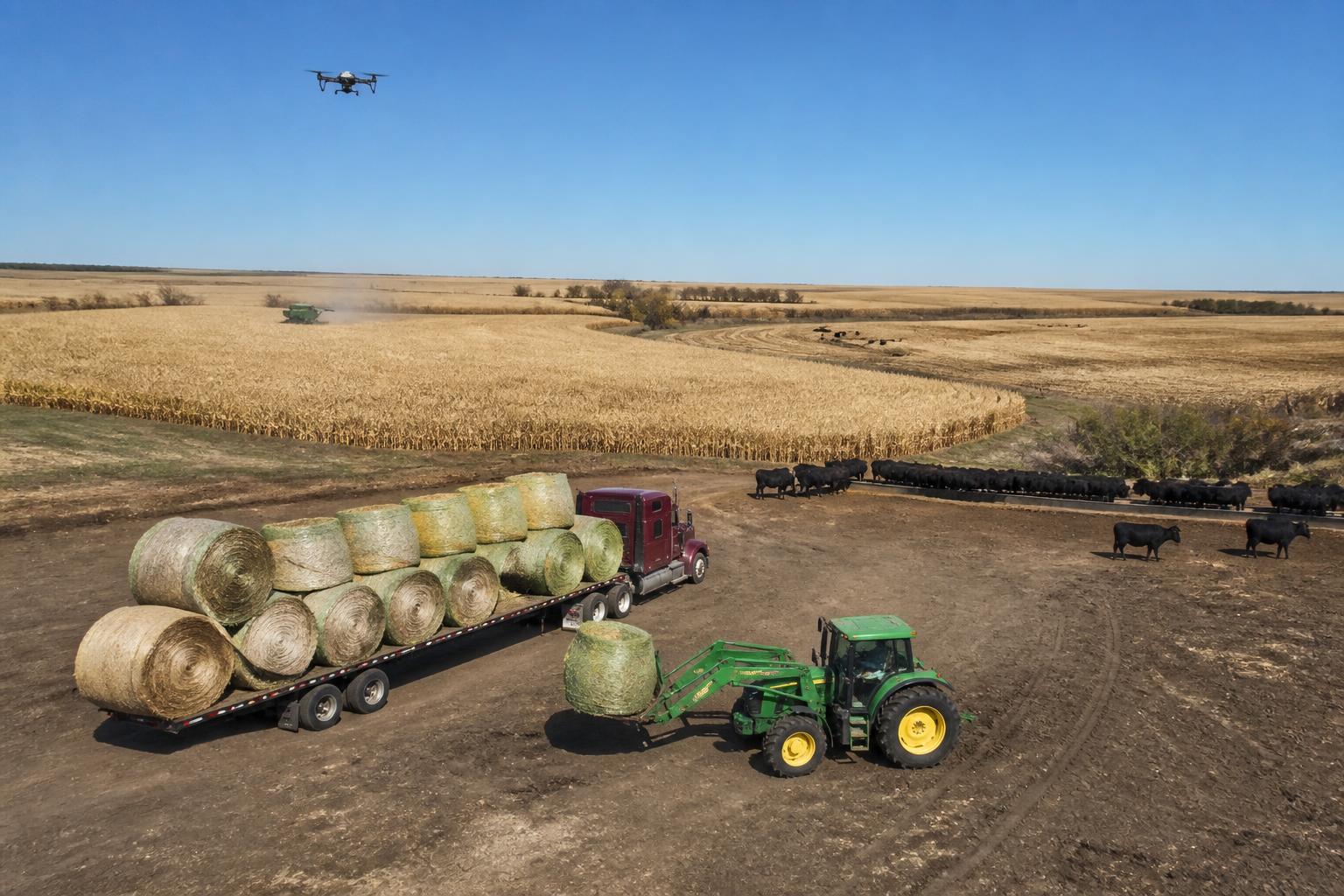
As the fall harvest season gathers momentum across North Dakota, producers are navigating a complex landscape defined by shifting infrastructure needs and the adoption of advanced farm management tools. With fields across the state transitioning, efficient logistics remain a primary concern for grain handlers and carriers preparing to move this year's output.
Regional efforts to modernize the agricultural supply chain are becoming increasingly visible. Recent initiatives include plans for new fertilizer storage and handling facilities, aimed at streamlining input availability for growers. These projects are crucial as farmers look to stabilize operational costs and prepare for future planting cycles despite the inherent pressures of regional transport constraints.
Technology Integration in the Field
Beyond physical infrastructure, the integration of precision agriculture continues to influence decision-making on North Dakota farms. From the use of drone-based scouting to monitor weed pressure to the acquisition of data-driven harvest management platforms by industry leaders, producers are leaning into digital solutions to manage variability. These tools are designed to help farmers extract more value from their acreage by optimizing input application and timing, a strategy that is particularly relevant during periods of fluctuating market conditions.
Logistics and Regulatory Flexibility
Logistics continue to be a focal point, with ongoing discussions centered on transportation permitting and seasonal flexibility. State-level advocacy for reform in movement regulations reflects a broader push to ensure that weight restrictions and permitting processes do not impede the movement of heavy machinery or crop supplies during peak operational windows. Such adjustments are vital for maintaining fluid movement across regional corridors and ensuring that inputs reach their destinations without unnecessary delays.
What it means for the market
The convergence of new infrastructure investment and digital adoption suggests a resilient approach by North Dakota agribusinesses. While market volatility remains a constant, the focus on localized capacity and improved logistics capability provides a buffer against external disruptions. Farmers and service providers should continue to monitor local permitting changes and facility completion timelines as they position themselves for the remainder of the harvest season.
Comments
No comments yet - be the first to share your take.