
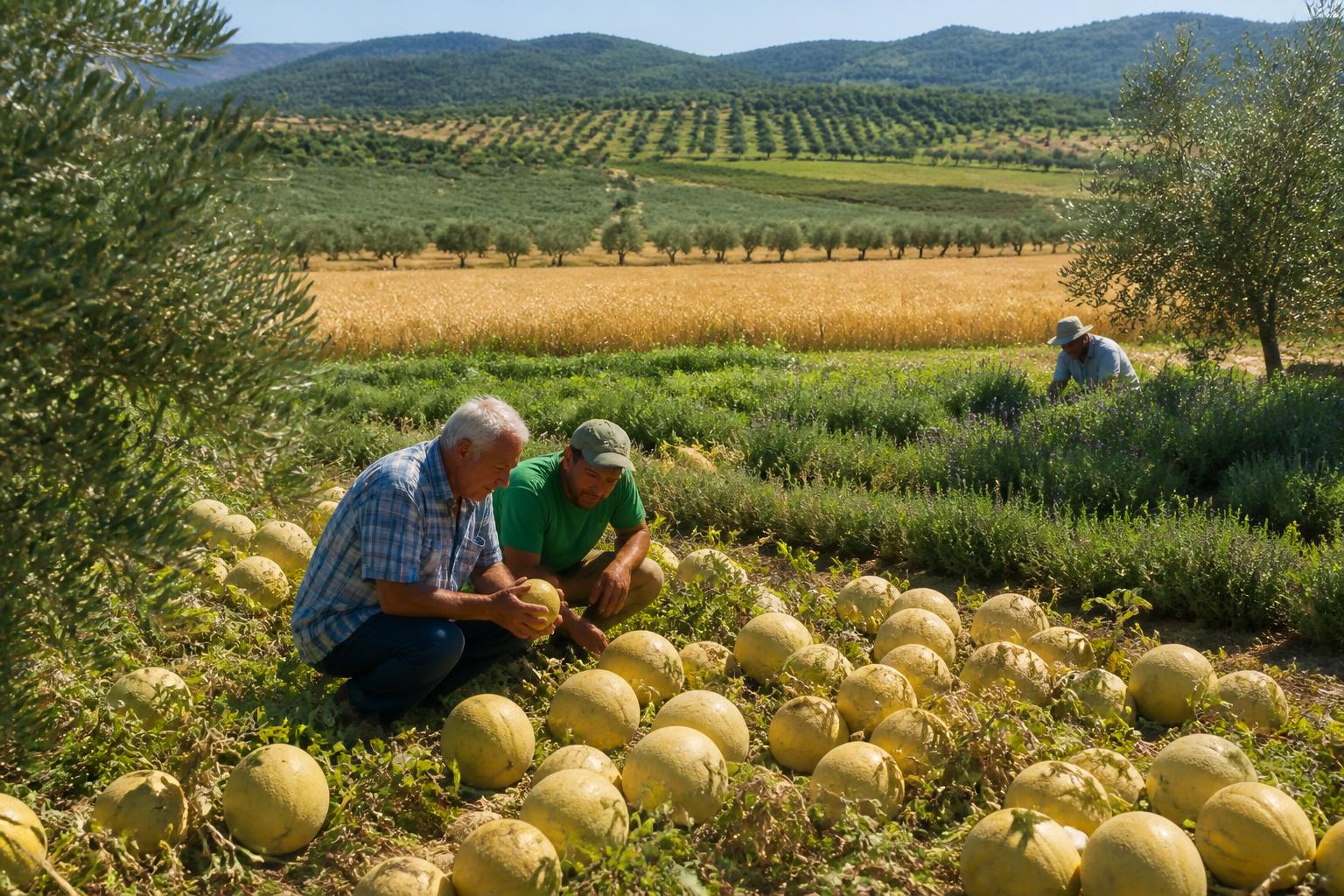
As Georgia farmers move deeper into the fall season, the focus shifts toward managing the final stages of the harvest cycle while preparing for future input requirements. Maintaining efficiency in regional logistics is vital, especially when navigating modern rotation and harvest strategies that demand precise timing for storage and transport. Producers are increasingly looking for ways to streamline these workflows, particularly as the state's diverse crop portfolio requires adaptable handling solutions.
Input management continues to be a central concern for many agribusinesses across the state. With ongoing supply chain shifts and cost pressures, many operators are reevaluating their procurement schedules. Ensuring that storage facilities and transport carriers are aligned with seasonal demand helps mitigate the risks associated with unpredictable supply timelines and rising operational expenses.
Strategic Planning for Seasonal Logistics
For grain handlers and agricultural transporters, the fall months often bring peak demand for equipment and personnel. In many parts of Georgia, from the coastal plains to the northern regions, the ability to coordinate effectively between field output and storage capacity often determines the success of the harvest season. Maintaining clear communication with local transit hubs and elevator operators can prevent bottlenecks during critical delivery windows.
Managing On-Farm Resources
Efficiency gains are being sought not only in moving product but also in how inputs like fertilizer are managed. Exploring domestic sources and utilizing digital tools to track inventory levels helps many farms stay ahead of potential shortages. By focusing on both the upstream supply of inputs and the downstream efficiency of harvest distribution, Georgia agriculturalists can better position themselves to withstand fluctuations in regional market conditions.
What it means for the market: Producers and logistics providers who prioritize early planning and digital coordination are better equipped to navigate the current climate. By optimizing storage turnover and closely monitoring input procurement timelines, Georgia’s agricultural sector can remain competitive despite ongoing global and local supply chain headwinds.
Comments
No comments yet - be the first to share your take.