
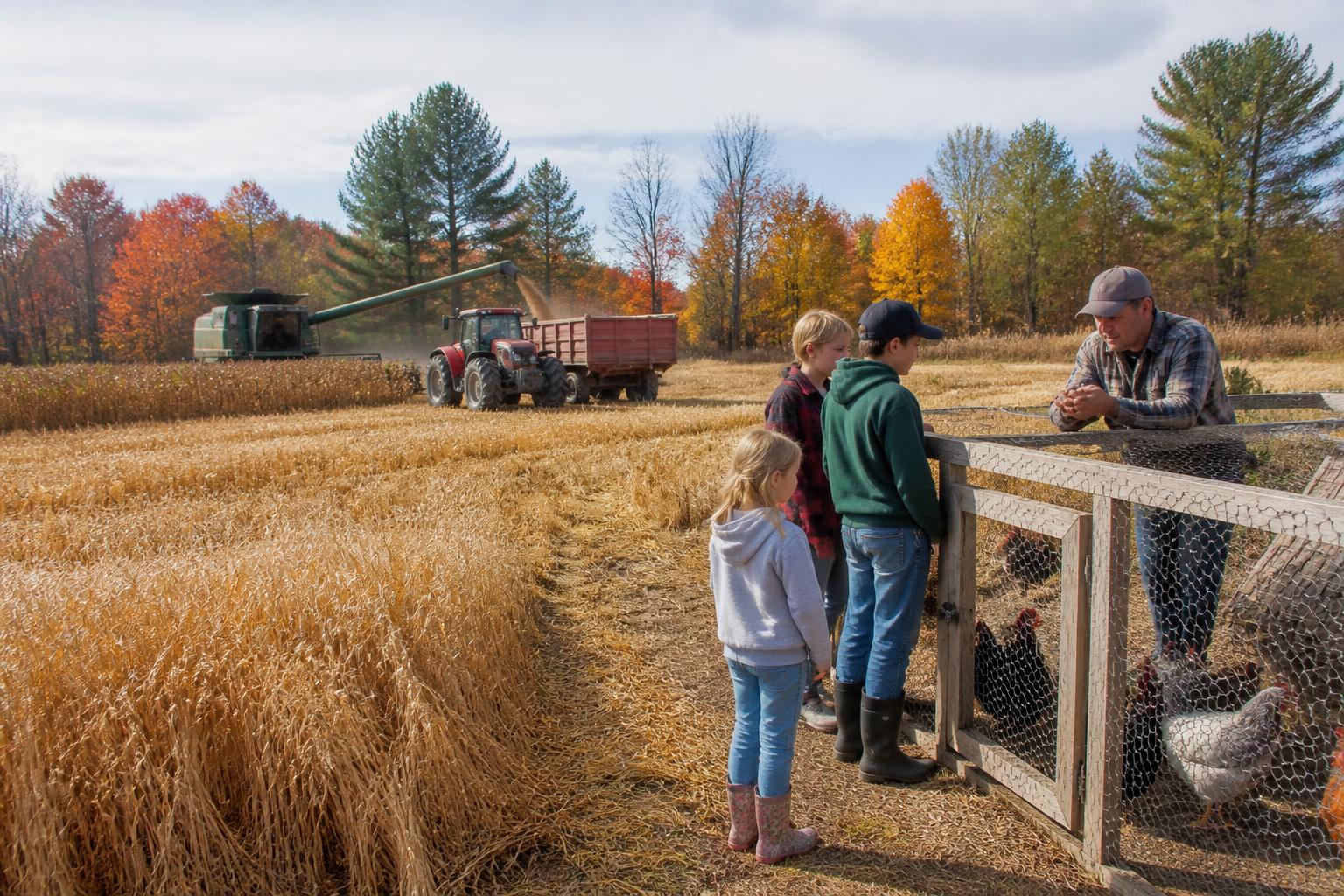
As the Michigan harvest shifts into high gear this September, the agricultural landscape remains a mix of strong productivity and ongoing management challenges. While record-setting wheat yields have provided a positive tailwind for many growers, the focus for producers is now shifting toward safeguarding herd health and refining input management strategies for the upcoming seasons.
Biosecurity Remains a Priority
Managing animal health is a constant requirement for Michigan livestock operations, particularly as the state addresses recent reports of bovine tuberculosis within herd populations. Maintaining rigorous biosecurity protocols and working closely with state officials is essential for limiting the spread of disease. Producers are encouraged to stay informed through official updates from the Michigan Department of Agriculture and Rural Development to ensure that preventative measures remain consistent with the latest veterinary guidelines.
Innovations in Crop Protection and Technology
Investment in the future of Michigan agriculture continues despite broader trends in equipment sales. Recent collaborations, such as the partnership between Corteva and Hexagon Bio, signal a continued industry push toward developing advanced crop protection solutions. These innovations are critical for growers looking to manage field volatility and sustain output amid changing environmental pressures. As highlighted in our recent look at managing agricultural risk and input volatility, adopting targeted protection strategies can be a key differentiator in maintaining profitability.
Building Resilience for Fall Logistics
The fall season naturally brings a unique set of logistical hurdles for grain handlers and transporters. As local elevators see an uptick in activity, the state's infrastructure is tested by the movement of the harvest. Efficient coordination between producers and carriers is necessary to keep supplies moving smoothly along critical corridors. Staying ahead of potential bottlenecks is part of a broader need for navigating persistent logistics hurdles that continue to impact the efficiency of the regional supply chain.
Furthermore, producers looking to diversify their operations or improve efficiency might consider exploring new educational resources. Whether investigating the expansion of controlled environment agriculture or enhancing small-scale livestock operations through extension programs, there are numerous ways to build long-term resilience on the farm.
What it means for the market
For the Michigan agribusiness community, the current market climate underscores the importance of proactive risk management. By prioritizing biosecurity, leveraging new crop protection technologies, and optimizing logistical planning during the busy fall harvest, stakeholders can better insulate themselves against regional volatility. While equipment spending may be cautious, the focus remains firmly on operational efficiency and sustainable growth for the coming year.
Comments
No comments yet - be the first to share your take.