
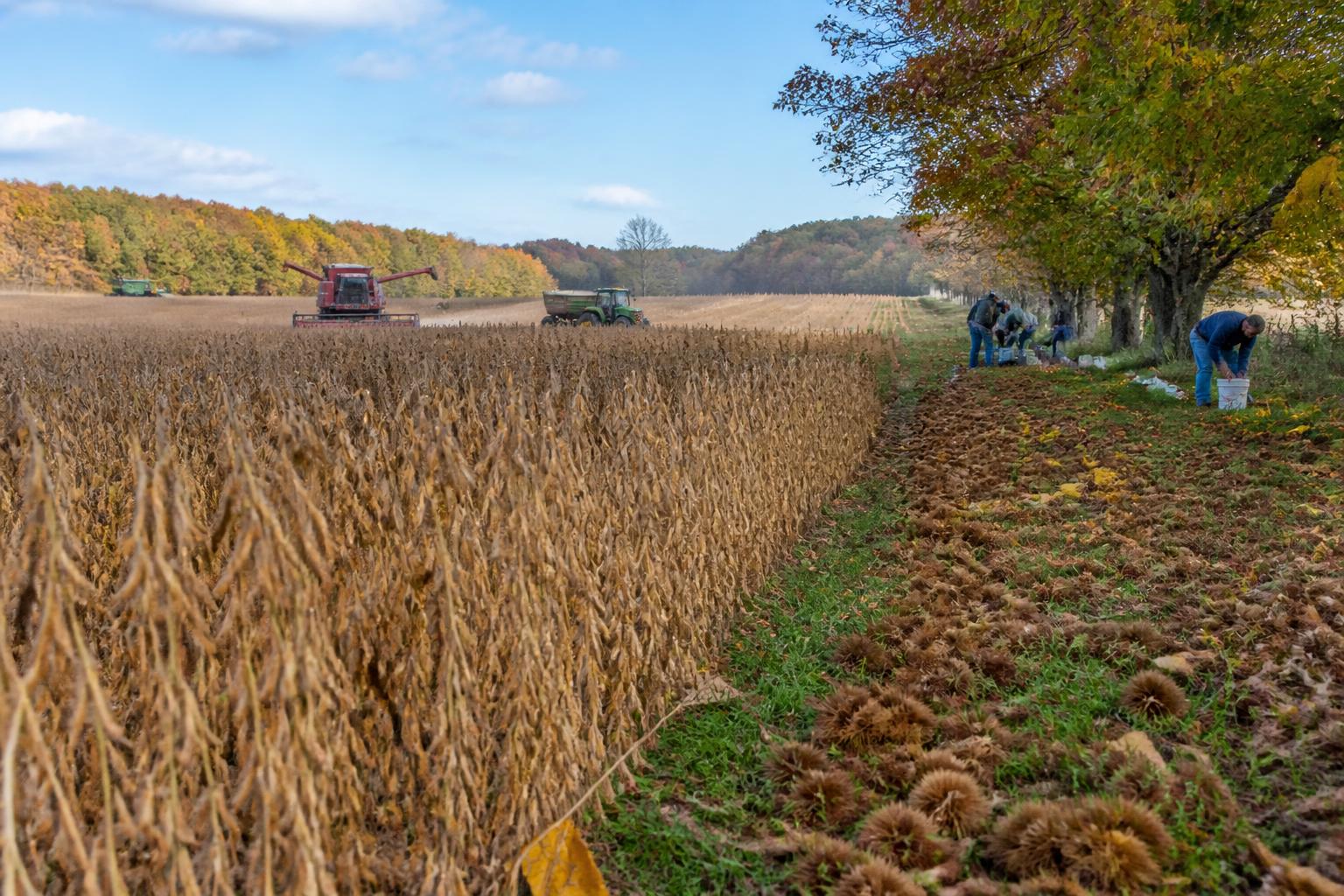
As the fall harvest shifts into high gear across Michigan, the agricultural sector is contending with a familiar set of logistical friction points. For growers and transport providers alike, the window between field readiness and market delivery is narrowing, highlighting the persistent impact of state-wide seasonal freight constraints that often complicate the movement of commodities from the farm gate to regional processors.
Navigating Weight Restrictions and Capacity
Infrastructure limitations remain a primary concern for local carriers. Heightened enforcement of road and bridge weight restrictions continues to limit the efficiency of bulk transport, effectively forcing some operators to reduce load sizes or navigate longer, secondary routes. These constraints are not merely a nuisance; they directly impact the bottom line for elevators and producers, particularly in regions where seasonal grain movement reaches its peak intensity. For those planning their logistics for the coming months, reviewing strategies for efficient crop movement is becoming essential to avoid the cost of mid-harvest delays.
Labor and Market Volatility
Beyond physical infrastructure, the industry is grappling with broader economic pressures. Recent adjustments in H-2A wage requirements are recalibrating labor cost structures for many specialty crop producers, adding complexity to an already high-stakes season. These financial headwinds, paired with localized reports of insolvency within some regional agribusinesses, underscore the importance of maintaining tight oversight on supply chain partners. Ensuring that your service providers—from trucking firms to local processing facilities—are stable remains a key part of managing agricultural risk in an environment where volatility is on the rise.
What it means for the market
For the Michigan producer, the path forward requires proactive planning. Whether you are managing grain stocks or coordinating the final push for harvest, the convergence of infrastructure limits and labor cost shifts suggests that agility will be rewarded. Operators who prioritize early contracting and maintain flexible logistics plans will likely be better positioned to navigate the remainder of the fall cycle than those relying on traditional, less-resilient transport models.
Comments
No comments yet - be the first to share your take.