
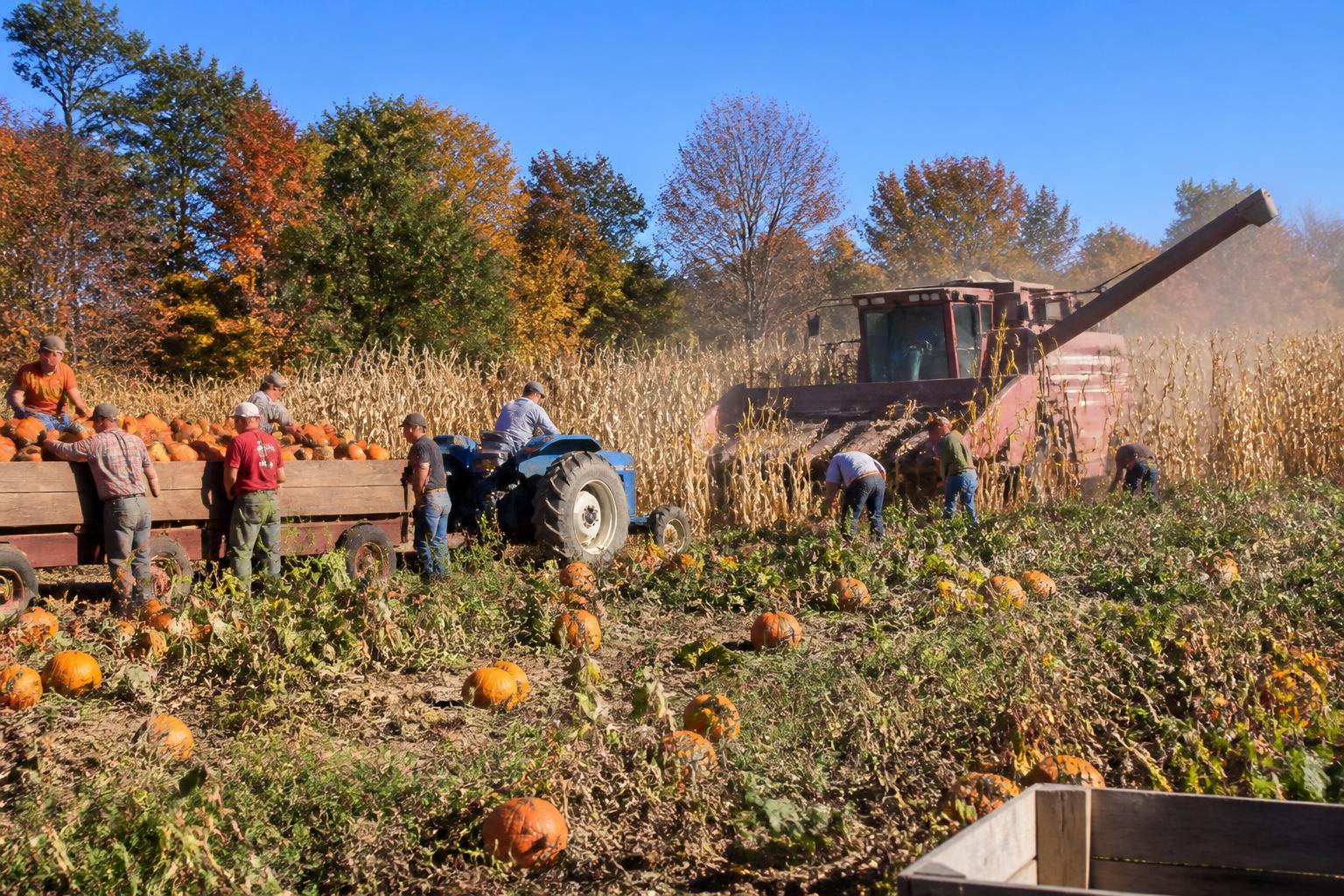
As North Carolina enters the peak of the fall harvest season, regional agricultural stakeholders are shifting their focus toward transit efficiency and resource management. With the movement of crops intensifying across the state, ensuring that local supply chains remain fluid is a priority for growers, elevator operators, and trucking partners alike.
Maintaining momentum during this busy period requires careful coordination, especially as infrastructure continues to recover and adapt to regional pressures. Whether moving output from field to storage or prepping for downstream processing, the ability to navigate local transit corridors effectively can significantly influence the speed and cost of harvest operations.
Optimizing Logistics Amidst Seasonal Demand
For those managing North Carolina harvest logistics, the current fall window often brings a unique set of variables. Beyond the standard seasonal uptick in freight demand, local operators must remain vigilant about road conditions and potential bottlenecks near major storage hubs. Proactive communication with transport providers often helps in securing the necessary capacity to keep grain moving without unnecessary stalls.
Furthermore, as producers evaluate their preparedness for peak harvest transit, monitoring local warehouse availability is essential. Understanding the interplay between regional storage capacity and trucking availability can mitigate the risk of delivery delays, particularly in high-volume production areas where grain handling facilities may face intense utilization rates.
Building Resilience in the Supply Chain
In addition to day-to-day transit hurdles, the broader agricultural sector is increasingly focused on long-term sustainability. Discussions regarding infrastructure improvements and flood mitigation, such as those featured at recent state summits, reflect a growing recognition that reliable logistics are the backbone of North Carolina's agricultural success. For farmers and agribusinesses, these efforts are not just about immediate relief but about ensuring that the market pulse remains steady despite climate and transit volatility.
Key Takeaways:
- Prioritize early scheduling with carriers to bypass potential regional capacity crunches during peak harvest weeks.
- Monitor local storage terminal status closely to ensure seamless handoffs and minimize truck wait times.
- Stay informed on regional transit updates, as local infrastructure developments and maintenance schedules can impact travel routes in key agricultural counties.
What it means for the market: For North Carolina producers and agribusinesses, the fall season serves as a critical test of supply chain efficiency. While the logistical landscape remains complex, those who prioritize advanced planning and maintain clear communication across the transport chain are better positioned to protect their margins and ensure timely market access for their harvests.
Comments
No comments yet - be the first to share your take.