
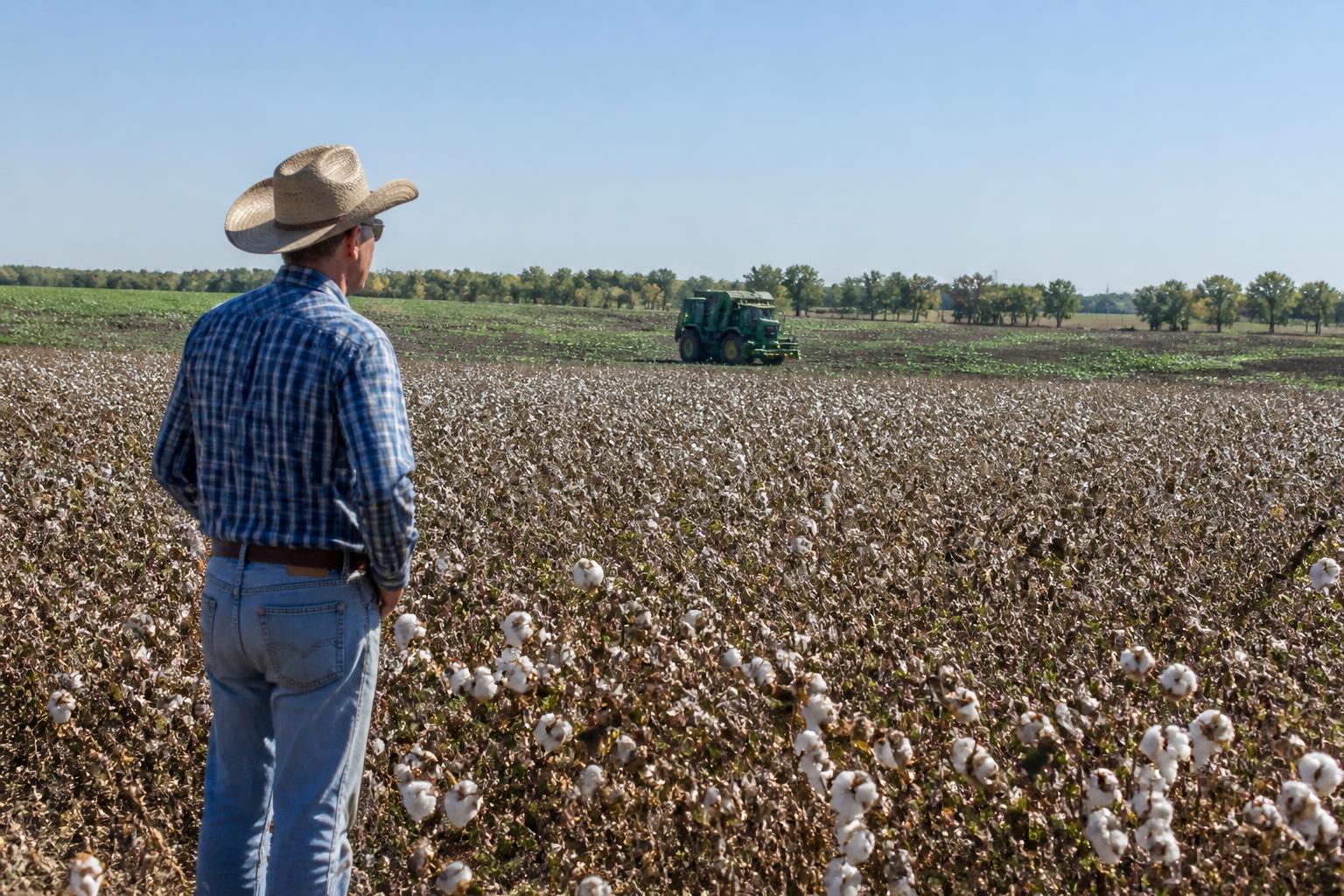
As the fall harvest gains momentum across Texas, producers are navigating a complex landscape defined by shifting production pressures and economic headwinds. Field activities are currently in full swing, with agricultural operations in diverse regions contending with a mix of environmental and logistical hurdles that demand careful management of resources and field strategies.
For many grain and commodity farmers, the season is a critical period for assessing yield potential while simultaneously addressing long-term agronomic issues. Growers in some parts of the state are reporting increased difficulty with resistant weeds, a persistent challenge that often requires a more intensive approach to crop protection and chemical management. These ongoing pressures make it essential for producers to stay informed on the latest market volatility and cost structures impacting their bottom line.
Managing Input Costs and Operational Efficiency
The current economic environment remains a point of focus for agribusinesses and individual operations alike. Producers are closely monitoring cost variables, particularly as they evaluate their exposure to fertilizer market fluctuations. With labor concerns and broader regulatory uncertainty continuing to linger in the background, the push for operational efficiency has never been more vital. Many are leveraging custom service surveys and local extension resources to benchmark their costs against regional standards, helping them to make data-driven decisions in an era of thin margins.
Looking Toward the Future of Texas Ag
While traditional row crops remain the cornerstone of the state's output, diversification into sectors like organic peanut production and restorative aquaculture continues to show promise. The ability to adapt to these niche markets, supported by ongoing initiatives from the Texas Department of Agriculture, suggests a resilient, if evolving, industry. As the season progresses, farmers are urged to remain vigilant regarding supply chain integrity and local logistics, ensuring that transport needs are met amid regional infrastructure developments.
What it means for the market
The combination of resistant weed pressure and rising operational costs suggests that growers will likely prioritize high-efficiency inputs and precision management practices this fall. For grain handlers and input suppliers, this shift reinforces the need for flexible procurement models and robust technical support to assist producers in mitigating risk throughout the final quarter of the year.
Comments
No comments yet - be the first to share your take.