
Adapting to Evolving Export Logistics
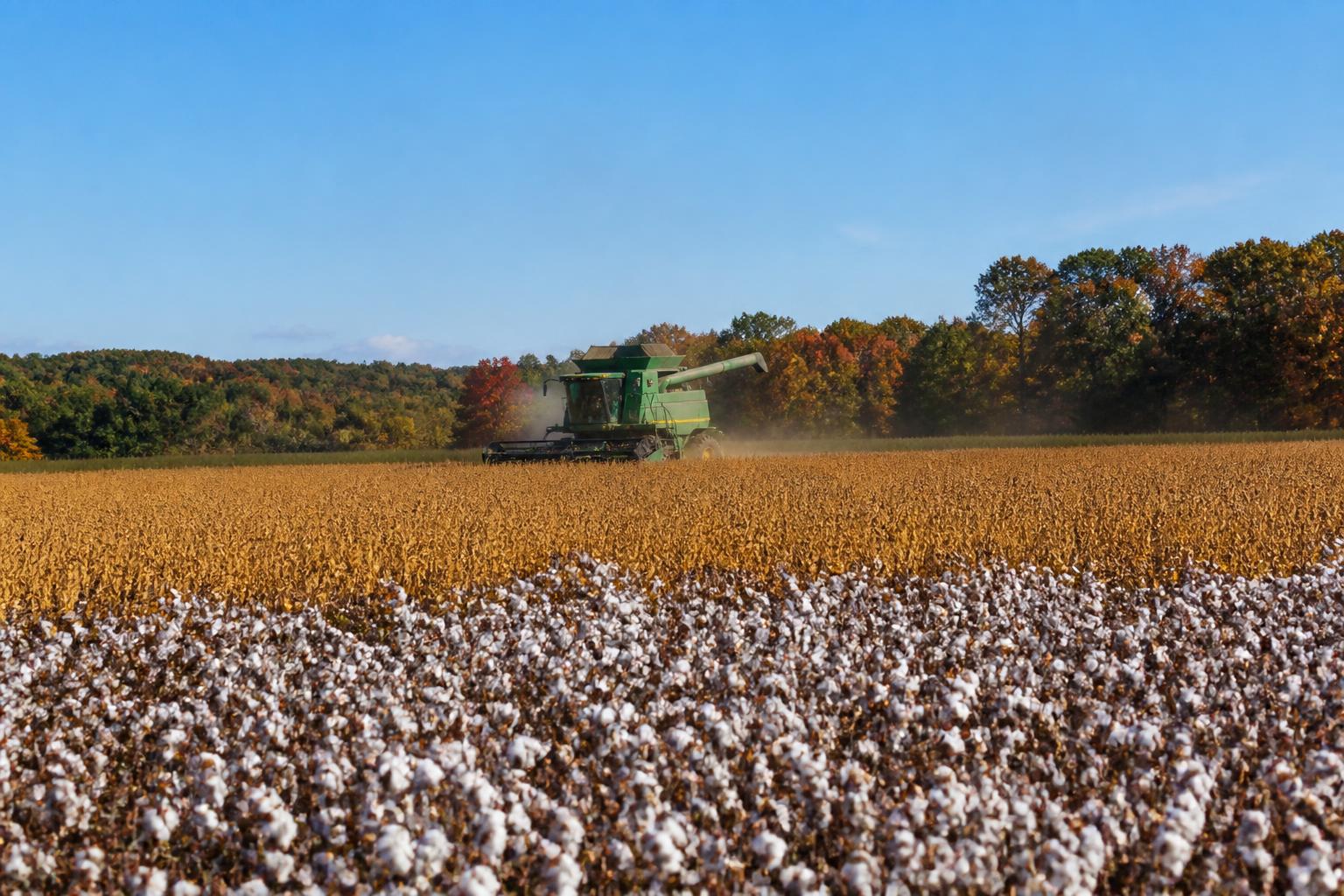
As the fall harvest season gathers momentum across South Carolina, grain handlers and producers are focusing on the efficiency of regional supply chains. Recent market activity suggests that reliance on port facilities has intensified as growers seek to maintain reliable export channels for oilseeds and grains. Navigating logistics and infrastructure shifts remains a priority for stakeholders, particularly as regional operations adjust to changes in local processing capacity.
Managing Seasonal Cost and Infrastructure Constraints
Market participants are keeping a close eye on input costs as fall operations accelerate. With global market volatility, particularly concerning energy and fertilizer, local agricultural businesses are managing overhead carefully. For many, the focus is on optimizing transport routes and maximizing the utility of existing on-farm storage to hedge against potential seasonal bottlenecks. Understanding on-farm storage strategies can prove vital when balancing the timing of grain delivery with fluctuating transport demand during the peak harvest window.
What it means for the market
For South Carolina agribusinesses, the current season highlights the necessity of flexible logistics planning. The ability to shift between local processing outlets and export-focused transport corridors continues to provide a competitive advantage. Farmers and carriers are encouraged to monitor local terminal capacity and regional weight restrictions closely throughout the autumn months to ensure smooth movement from field to elevator.
Comments
No comments yet - be the first to share your take.